

International Day of Care and Support 2026: Why Caring for Others Matters

International Day of Care and Support 2026 is observed on 29 October to recognize the importance of caregiving, unpaid household work and professional care services. The day highlights why caregivers deserve respect, fair working conditions and better support. It also encourages families, communities, employers and governments to build a society where everyone can receive care with dignity.
Introduction: The Most Important Work Is Not Always Visible (International Day of Care and Support 2026)
Imagine a mother preparing breakfast before going to work, a father helping his child with homework, a young woman accompanying her grandmother to a medical appointment, or a professional caregiver helping an older person with daily activities.
These actions may appear ordinary. However, they make an enormous difference in people’s lives.
Every day, millions of people perform tasks that allow families and communities to function. They look after children, support older adults, help people with disabilities, prepare meals, care for sick relatives and assist people who need additional support.
Some people perform these duties as paid professionals. Others provide care without receiving any money for their time and effort.
Despite its importance, care work is often overlooked. A person who spends hours caring for a family member may receive little recognition. A domestic worker may perform physically demanding tasks without adequate protection. A healthcare worker may support others while struggling with long working hours and heavy responsibilities.
PREVIOUS POST : International Animation Day 2026: The Magic of Animation
This is why International Day of Care and Support 2026 matters.
Observed annually on 29 October, this United Nations observance encourages greater recognition of care work and investment in inclusive, sustainable care systems. It also highlights the importance of gender equality, decent work and shared responsibilities.
The central message is simple: care is essential to society, and the people who provide it deserve care and support, too.
International Day of Care and Support 2026: Key Facts
| Detail | Information |
| Name | International Day of Care and Support |
| Date in 2026 | Thursday, 29 October |
| Observed | Every year |
| Established by | United Nations General Assembly |
| Resolution | A/RES/77/317 |
| Main purpose | Recognize care work and promote better care and support systems |
| Related global issues | Gender equality, decent work, social protection and human dignity |
| 2026 UN event focus | Building sustainable care and support systems through decent work |
The United Nations General Assembly proclaimed 29 October as International Day of Care and Support through Resolution A/RES/77/317 in 2023.
The 2026 UN commemoration highlights the importance of building sustainable care and support systems through decent work. This includes improving working conditions and strengthening protection for people employed in care services.
Official information is available on the United Nations observance page.
1. What Is Care Work? Understanding Its Meaning

Care work refers to activities that help people meet their physical, emotional and everyday needs. It can be provided professionally or within families and communities.
Care work generally includes two connected types.
A. Direct Care Work ( International Day of Care and Support 2026 )
Direct care involves providing personal assistance to another person.
Examples include:
- Feeding a baby or helping a child get ready for school.
- Assisting an older adult with daily activities.
- Supporting a person with a disability.
- Helping someone recover from an illness.
- Providing nursing or personal care.
- Offering emotional support to someone experiencing a difficult period.
Direct care requires patience, responsibility and an understanding of the needs of the person receiving assistance.
B. Indirect Care Work ( International Day of Care and Support 2026 )
Indirect care includes household and practical tasks that support other people’s well-being.
Examples include:
- Cooking meals.
- Cleaning and maintaining a home.
- Washing clothes.
- Shopping for groceries.
- Preparing food for children or older relatives.
- Organizing appointments and household responsibilities.
These tasks may not always involve direct interaction with the person receiving care, but they remain essential.
For example, preparing a nutritious meal for an elderly family member is indirect care. Helping that person eat is direct care.
Both forms of work contribute to a household’s well-being.
2. Why Does International Day of Care and Support 2026 Matter?
Care is often treated as a private family responsibility. However, its effects extend far beyond individual households.
Children need care to grow and learn. Older adults may require assistance to maintain their independence. People recovering from illness need support during their recovery. Families depend on care arrangements to manage their work and personal responsibilities.
Without reliable care, people may struggle to participate in education, employment and community life.
This observance matters for several reasons.
Recognizing Invisible Work ( International Day of Care and Support 2026 )
Many caregivers perform essential tasks without receiving wages or public recognition. Their contributions may be missing from ordinary conversations about economic productivity, even though families and communities depend on them.
Recognizing this work is an important step toward understanding its value.
Supporting Gender Equality
Women continue to perform a disproportionate share of unpaid care work globally. When care responsibilities are distributed unfairly, women may have less time for education, paid employment, career development and rest.
Sharing care responsibilities more equally can help create fairer opportunities.
Improving Conditions for Care Workers
Professional caregivers, nurses, domestic workers and other care professionals provide services that society needs. They deserve safe working conditions, fair compensation, appropriate training and access to social protection.
Building Inclusive Communities
People have different care needs at different stages of life. Accessible services can help children, older adults and people with disabilities participate more fully in their communities.
The aim is not simply to encourage individual kindness. It is also to improve the systems that make good care possible.
3. What Do Global Care Statistics Tell Us? ( International Day of Care and Support 2026 )
Care work is a major part of everyday life and the global economy. Data cited by the United Nations and the International Labour Organization illustrates both its scale and the unequal distribution of unpaid responsibilities.
Women Perform 76.2% of Unpaid Care Work
According to figures cited by the United Nations from the International Labour Organization, women perform 76.2% of the total amount of unpaid care work globally. They spend approximately 3.2 times as much time on unpaid care work as men.
This imbalance can affect women’s ability to pursue paid employment, education, professional advancement and personal time.
The Global Care Workforce Includes Millions of Workers
The United Nations reports an estimated global care workforce of approximately 381 million people, comprising 249 million women and 132 million men.
This includes people employed in care-related occupations across different settings.
Demand for Care Is Expected to Grow
The UN observance page cites projections that the number of care recipients could reach 2.3 billion by 2030, reflecting changing demographic needs, including growth in the number of older people and children.
These figures demonstrate why investment in care services, workforce development and social protection matters.
Why are these statistics important?
They show that care is not merely an individual or family concern. It is also a social and economic issue. When care responsibilities are not shared fairly and professional care services are inadequate, the consequences can affect employment, household finances and people’s well-being.
Source: United Nations, International Day of Care and Support; International Labour Organization. See the official references at the end of this article.
4. The Hidden Challenges Faced by Caregivers ( International Day of Care and Support 2026 )
Caring for another person can be rewarding, but it may also involve significant responsibilities.
Understanding these challenges is important because appreciation alone cannot replace practical support.
Time Pressure
A person who provides daily care may need to balance household responsibilities, employment, education and personal needs. When several responsibilities compete for attention, finding time to rest can become difficult.
Financial Pressure
Unpaid caregivers may reduce their working hours or leave employment to support family members. This can affect household income, savings and future career opportunities.
Professional caregivers may also face low wages or limited access to employment benefits, depending on their job and location.
Emotional and Physical Exhaustion
Providing continuous assistance can be tiring. Caregivers may experience stress when responsibilities become overwhelming or when they have limited opportunities to take breaks.
This does not mean that caring for others is undesirable. It means caregivers need support so that they can continue their responsibilities without neglecting their own well-being.
Limited Recognition
Household work and unpaid care may be treated as ordinary duties rather than meaningful contributions.
A simple expression of gratitude can help, but genuine recognition should also include sharing responsibilities and providing appropriate assistance.
Lack of Reliable Services
Some families have limited access to affordable childcare, eldercare, disability support or respite services. Without these options, family caregivers may carry a heavier burden than they can comfortably manage.
A sustainable care system must consider both the needs of people receiving care and the needs of the people providing it.
5. How Can Families Share Care Responsibilities More Fairly? ( International Day of Care and Support 2026 )
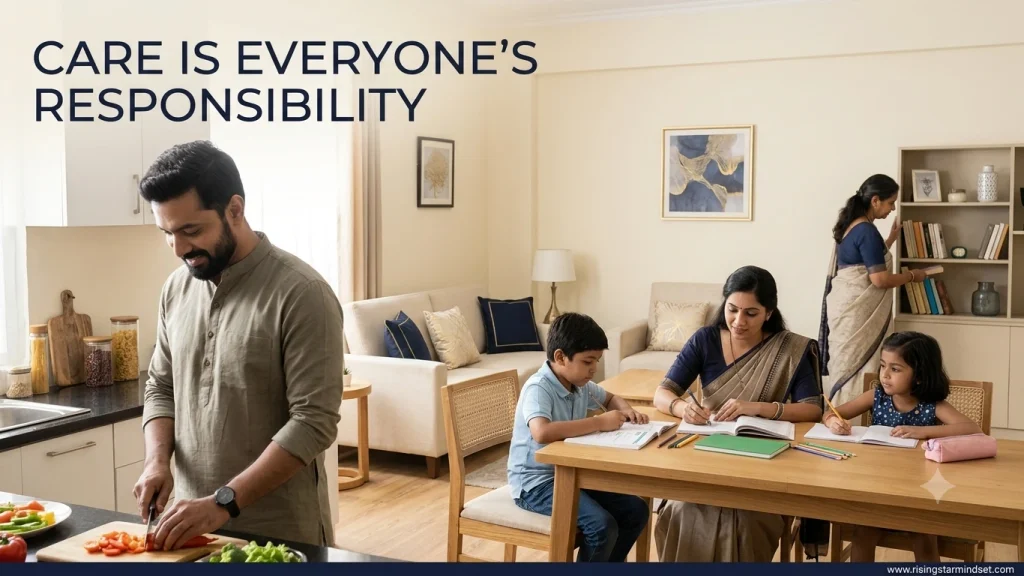
A caring family does not depend on one person doing everything. Responsibilities can be discussed, divided and adjusted according to each person’s abilities and circumstances.
Here are practical ways to create a fairer arrangement.
Step 1: Identify the Daily Tasks
Write down the regular responsibilities in your household. These may include cooking, cleaning, shopping, childcare, assisting older relatives and arranging appointments.
Listing the tasks helps everyone understand how much work is involved.
Step 2: Discuss Who Can Help
Family members can discuss which tasks they can reasonably manage.
For example, one person might prepare meals while another shops for groceries. Older children can help with age-appropriate household tasks, while adults coordinate more demanding responsibilities.
The purpose is not to assign identical tasks to everyone. It is to prevent unnecessary pressure from falling on one person.
Step 3: Respect Different Needs
Care arrangements should consider age, disability, illness, work schedules and personal circumstances.
People receiving care should also be involved in decisions whenever possible. Their preferences, dignity and independence matter.
Step 4: Make Time for Rest
Caregivers need opportunities to rest, attend appointments, maintain friendships and pursue their own interests.
Families can arrange breaks by sharing tasks or seeking suitable outside assistance when available.
Step 5: Review the Arrangement Regularly
Care needs can change. A family member may recover from an illness, a child may begin school, or an older adult may need additional assistance.
Regular discussions help families adjust their arrangements before responsibilities become unmanageable.
6. What Can Students and Young People Do? (International Day of Care and Support 2026 )

International Day of Care and Support is also an opportunity for students to learn about responsibility, empathy and respect.
Young people do not need to take on adult caregiving duties to make a positive contribution. Simple, age-appropriate actions can help.
At home: Keep personal spaces tidy, help with suitable household chores and appreciate the work performed by family members.
At school: Treat classmates with respect, include students who may feel isolated and avoid making fun of people who need additional assistance.
In the community: Participate in suitable school-led service activities, environmental initiatives or community support projects.
Online: Share accurate information about caregiving and avoid spreading stereotypes about older people, people with disabilities or care workers.
In daily conversations: Recognize that cooking, cleaning, childcare and other household responsibilities require time and effort.
Students can also use this observance for a school essay, morning assembly speech, classroom discussion or awareness poster.
A Short Classroom Activity ( International Day of Care and Support 2026 )
Ask students to imagine a household in which one adult manages every household task while also working full-time.
Discuss the following questions:
- Which responsibilities might be difficult to manage alone?
- How could other household members contribute?
- Why is rest important for someone who provides care?
- What can schools and communities do to support caregivers?
- How can we recognize work that does not receive a salary?
This activity encourages critical thinking rather than simply asking students to memorize the meaning of an international day.
7. How Can Employers and Governments Improve Care Systems? ( International Day of Care and Support 2026 )
Personal kindness is important, but sustainable care also requires support from institutions.
What Employers Can Do
Employers can consider family-friendly workplace policies, reasonable flexibility where possible, parental leave and measures that help employees manage legitimate caregiving responsibilities.
Care workers themselves also need fair pay, safe working conditions, training and appropriate employment protections.
What Governments Can Do
Governments can strengthen access to affordable childcare, eldercare, disability support and other essential services.
They can also improve social protection, support the formalization of care-related employment and establish appropriate standards for working conditions.
What Communities Can Do
Community organizations can help people find available support services, organize suitable volunteer initiatives and reduce the isolation that some caregivers experience.
Local support must be respectful of privacy, cultural differences and the specific needs of each individual.
Why Investment Matters
Reliable care services can help people receive the support they need while enabling caregivers to participate more fully in education, employment and community life.
A strong care system is not simply a benefit for one group. It supports families, workers, employers and society as a whole.
8. Seven Practical Ways to Show Care in Everyday Life

You do not need a special occasion to support another person. Here are seven actions you can begin today.
1. Check on someone who may need support. Call an older relative, visit a neighbour when appropriate or ask a friend how they are doing.
2. Share a household task. Preparing a meal, washing dishes or helping with shopping can reduce another person’s workload.
3. Listen patiently. Give people time to explain their concerns without immediately judging them or interrupting.
4. Appreciate care workers. Treat nurses, domestic workers, childcare workers and other professionals with respect. Recognize their contribution without assuming that gratitude replaces fair working conditions.
5. Offer specific help. Instead of saying only, “Let me know if you need anything,” ask whether a particular task would be useful, provided the person is comfortable accepting assistance.
6. Respect independence. Support does not mean making every decision for someone else. Ask what kind of help the person wants and respect their preferences.
7. Remember the caregiver. Ask how the person providing regular care is managing. Help them find practical support when possible.
These actions are small, but they can encourage a culture in which support is offered thoughtfully rather than treated as an obligation belonging to only one person.
9. A Seven-Day International Day of Care and Support 2026 Challenge
Use this simple challenge to turn awareness into action.
| Day | Activity | Purpose |
| Day 1 | Thank someone who regularly helps others. | Recognize invisible work. |
| Day 2 | Complete one suitable household task. | Share responsibilities. |
| Day 3 | Listen patiently to someone. | Practice empathy. |
| Day 4 | Learn about a local care or community service. | Understand available support. |
| Day 5 | Appreciate a professional care worker. | Recognize essential work. |
| Day 6 | Ask a caregiver what practical help they would welcome. | Offer meaningful support. |
| Day 7 | Choose one helpful habit to continue weekly. | Make care a regular practice. |
You can complete these activities with family members, friends or classmates. Choose actions that are safe, realistic and respectful of other people’s boundaries.
The purpose is not to measure kindness or compete with others. It is to make care a more visible and shared part of everyday life.
10. English Explanation: Why Care and Support Matter
Care and support are essential to human well-being and the functioning of society. They include professional services, such as nursing and childcare, as well as unpaid assistance provided by family members, friends and communities.
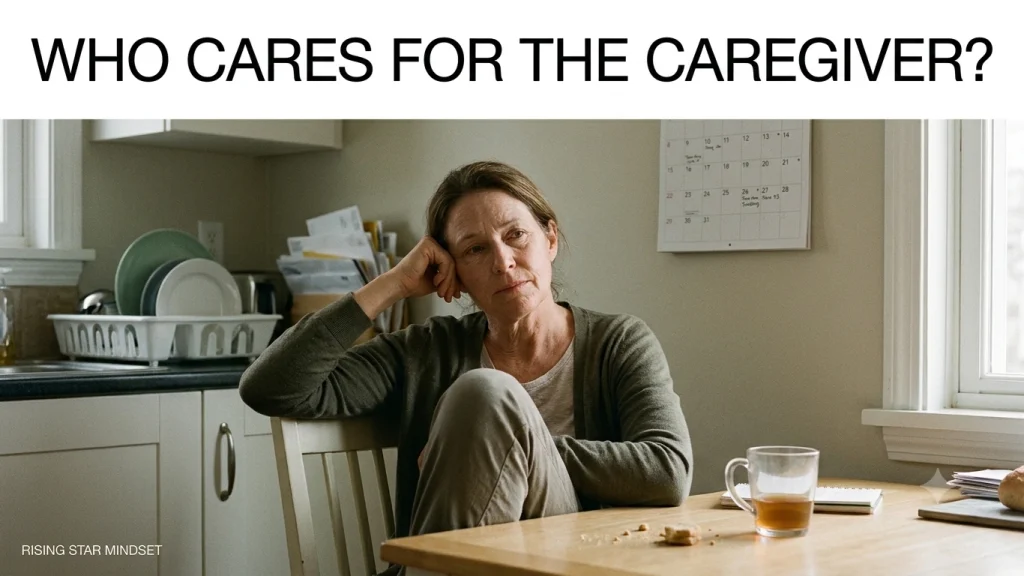
International Day of Care and Support recognizes the value of this work and highlights the challenges faced by people who provide it.
Many unpaid caregivers balance household duties with employment, education and other responsibilities. Professional care workers may face demanding workloads and inadequate employment protection. These challenges show why care systems need to be inclusive, sustainable and accessible.
Families can help by sharing responsibilities more fairly. Employers can consider family-friendly policies, while governments can invest in quality care services and social protection.
A caring society does not depend only on individual kindness. It also requires systems that allow people to give and receive care with dignity.
Key message: Care work is essential work. Caregivers deserve recognition, fair treatment and practical support.
11. हिंदी में व्याख्या: देखभाल और सहयोग क्यों ज़रूरी हैं? (International Day of Care and Support 2026 )
देखभाल और सहयोग हमारे परिवार तथा समाज की बुनियादी ज़रूरतें हैं। बच्चों की परवरिश करना, बुज़ुर्गों की सहायता करना, बीमार व्यक्ति की सेवा करना, दिव्यांग व्यक्तियों की आवश्यकताओं को समझना और घर की ज़िम्मेदारियाँ निभाना—ये सभी देखभाल के उदाहरण हैं।
हर देखभाल का काम अस्पताल या किसी संस्था में नहीं होता। परिवार के सदस्य, मित्र और समुदाय के लोग भी प्रतिदिन ऐसे कई काम करते हैं जिनके लिए उन्हें आर्थिक भुगतान नहीं मिलता। इसके बावजूद इन कामों से परिवार और समाज सुचारु रूप से चलते हैं।
अंतरराष्ट्रीय देखभाल एवं सहयोग दिवस हर वर्ष 29 अक्टूबर को मनाया जाता है। संयुक्त राष्ट्र ने इस दिवस की स्थापना 2023 में की थी। इसका उद्देश्य देखभाल करने वाले लोगों के योगदान को पहचानना और बेहतर देखभाल व्यवस्था की आवश्यकता के प्रति जागरूकता बढ़ाना है।
देखभाल करने वालों की चुनौतियाँ
जो लोग नियमित रूप से दूसरों की देखभाल करते हैं, उन्हें कई बार समय की कमी, आर्थिक दबाव और शारीरिक थकान का सामना करना पड़ता है।
उदाहरण के लिए, यदि परिवार का एक ही सदस्य बच्चों की देखभाल, खाना बनाने, सफाई करने और किसी बुज़ुर्ग की सहायता करने की ज़िम्मेदारी निभाता है, तो उसके लिए अपने काम और आराम के लिए समय निकालना कठिन हो सकता है।
इसलिए परिवार में ज़िम्मेदारियाँ उचित रूप से बाँटना ज़रूरी है। घर के सदस्य अपनी क्षमता और परिस्थितियों के अनुसार योगदान दे सकते हैं।
समाज क्या कर सकता है?
सरकारें बेहतर स्वास्थ्य एवं देखभाल सेवाओं में निवेश कर सकती हैं। संस्थान देखभाल करने वाले कर्मचारियों के लिए उचित कार्य परिस्थितियाँ उपलब्ध करा सकते हैं। परिवार घरेलू काम बाँट सकते हैं, जबकि समुदाय ज़रूरतमंद लोगों को उपलब्ध सहायता सेवाओं से जोड़ सकते हैं।
हमें यह भी याद रखना चाहिए कि देखभाल करने वाले व्यक्ति को स्वयं भी आराम, सम्मान और सहयोग की आवश्यकता होती है।
विद्यार्थी क्या सीख सकते हैं?
विद्यार्थी घर में उपयुक्त कामों में मदद कर सकते हैं, बुज़ुर्गों का सम्मान कर सकते हैं, सहपाठियों के प्रति संवेदनशील रह सकते हैं और समाज में देखभाल के महत्व को समझ सकते हैं।
इन छोटे प्रयासों से ज़िम्मेदारी, सहयोग और मानवीय संवेदना विकसित करने में मदद मिल सकती है।
मुख्य संदेश: दूसरों की देखभाल करना केवल एक ज़िम्मेदारी नहीं, बल्कि मानवीय संवेदना और सामाजिक सहयोग का महत्वपूर्ण हिस्सा है। एक बेहतर समाज वही है जहाँ देखभाल पाने वाले और देखभाल करने वाले—दोनों को सम्मान मिले।
12. Frequently Asked Questions (FAQs) ( International Day of Care and Support 2026 )
1. When is International Day of Care and Support 2026?
International Day of Care and Support 2026 is observed on Thursday, 29 October 2026.
2. Who established International Day of Care and Support?
The United Nations General Assembly proclaimed the observance through Resolution A/RES/77/317 in 2023.
3. What is the purpose of International Day of Care and Support?
The day raises awareness of the importance of care work and encourages investment in inclusive, sustainable care systems. It also highlights decent work, gender equality and the need to recognize caregivers.
4. What are examples of unpaid care work?
Examples include looking after children, helping older relatives, preparing meals, cleaning the home and assisting family members who need daily support without receiving monetary compensation.
5. Why is unpaid care work important?
Unpaid care work helps families meet everyday needs and supports the well-being of communities. It also enables other household members to study, work and participate in social life.
6. Why is care work a gender equality issue?
Women perform a disproportionate share of unpaid care work globally. Unequal responsibilities can limit their time for paid employment, education, career development and rest.
7. How can students observe this day?
Students can learn about caregiving, help with suitable household tasks, respect older people, participate in appropriate community activities and discuss why care workers deserve recognition.
8. How can families support caregivers?
Families can divide responsibilities fairly, offer practical assistance, arrange breaks and discuss changing care needs. They should also respect the preferences and dignity of the person receiving care.
9. Is International Day of Care and Support a public holiday?
It is an international observance, not a universal public holiday. Whether an organization or country arranges a special event depends on local decisions.
10. What is the theme of International Day of Care and Support 2026?
The United Nations’ 2026 commemoration focuses on “Building sustainable care and support systems through decent work.” The focus highlights the relationship between reliable care services and fair working conditions for care workers.

Conclusion: A Caring Society Begins With Recognition
International Day of Care and Support 2026 reminds us that care is not an optional part of life. It is essential to families, communities and the wider economy.
Children need care to grow and learn. Older adults may need assistance to maintain their independence. People recovering from illness need support, and caregivers need the resources and time required to perform their responsibilities safely.
However, appreciation alone is not enough. Caregivers need practical assistance, fair working conditions, opportunities to rest and access to reliable support services.
Families can share responsibilities more fairly. Employers can consider the needs of workers with caregiving duties. Governments can strengthen care services and social protection. Communities can help people connect with appropriate support.
This 29 October, take a moment to recognize someone whose daily efforts help others live with greater dignity. A sincere thank-you is a good beginning, but sharing responsibilities and supporting caregivers can make an even greater difference.
Because a stronger society is built not only by what people achieve for themselves, but also by how they care for one another.
Official Sources and Further Reading
For accurate information and additional reading, consult these official sources:
- United Nations — International Day of Care and Support: https://www.un.org/en/observances/care-and-support-day/
- United Nations General Assembly Resolution A/RES/77/317: https://digitallibrary.un.org/record/4017442
- International Labour Organization — Care Work and Care Jobs for the Future of Decent Work: https://www.ilo.org/
- International Labour Organization — Global Care Policy Portal: https://webapps.ilo.org/globalcare/
These resources provide further information about care work, unpaid care responsibilities, decent work and the need for sustainable care systems.
Website: https://risingstarmindset.com/