
Conservation of Plants and Animals Class 8 Notes | Important Questions, MCQs & Study Guide
Series: Class 8 Science Notes ( Conservation of Plants and Animals Class 8 )
Chapter: Conservation of Plants and Animal
Website: www.risingstarmindset.com
Table of Contents
- Introduction
- What is Conservation?
- Conservation of Plants and Animals (Hindi & English)
- Important Terms and Abbreviations
- Deforestation
- Causes of Deforestation
- Consequences of Deforestation
- Wildlife Sanctuary
- National Park
- Biosphere Reserve
- Flora and Fauna
- Red Data Book
- Migration
- Recycling of Paper
- Key Points
- Important Question Answers
- MCQs
- HOTS Questions
- FAQs
- Conclusion
Introduction | परिचय ( Conservation of Plants and Animals Class 8 )
Plants and animals are essential components of our environment. They maintain ecological balance and support life on Earth. However, rapid urbanization, industrialization, and deforestation have endangered many species. Therefore, conservation of plants and animals has become extremely important.
NEXT TOPIC : Stars and the Solar System Class 8 Important Notes Guide
पौधे और जीव-जंतु हमारे पर्यावरण के महत्वपूर्ण घटक हैं। वे पारिस्थितिक संतुलन बनाए रखते हैं और पृथ्वी पर जीवन को संभव बनाते हैं। लेकिन तेजी से बढ़ते शहरीकरण, औद्योगीकरण और वनों की कटाई के कारण अनेक प्रजातियाँ संकट में हैं। इसलिए पौधों और जीव-जंतुओं का संरक्षण अत्यंत आवश्यक हो गया है।
What is Conservation? | संरक्षण क्या है?
Conservation means protecting and preserving natural resources, wildlife, forests, and biodiversity for future generations.
संरक्षण का अर्थ है प्राकृतिक संसाधनों, वन्यजीवों, वनों तथा जैव विविधता की रक्षा और संरक्षण करना ताकि आने वाली पीढ़ियाँ भी उनका लाभ उठा सकें।
Conservation of Plants and Animals | पौधों एवं जीव-जंतुओं का संरक्षण
Conservation helps maintain biodiversity and ecological balance. It prevents species from becoming extinct and ensures sustainable development.
संरक्षण जैव विविधता और पारिस्थितिक संतुलन बनाए रखने में सहायता करता है। यह प्रजातियों को विलुप्त होने से बचाता है तथा सतत विकास सुनिश्चित करता है।
Important Abbreviations | महत्वपूर्ण संक्षिप्त रूप
| Abbreviation | Full Form |
|---|---|
| IUCN | International Union for Conservation of Nature |
| WWF | World Wide Fund for Nature |
| NGO | Non-Governmental Organization |
| GPS | Global Positioning System |
| UNESCO | United Nations Educational, Scientific and Cultural Organization |
Deforestation | वनों की कटाई
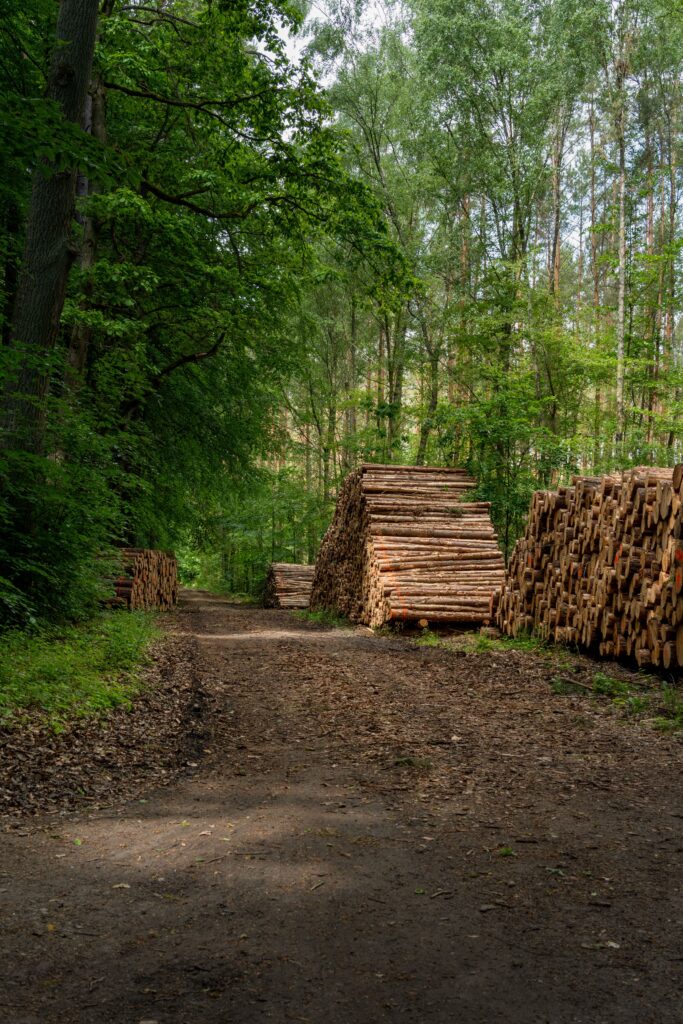
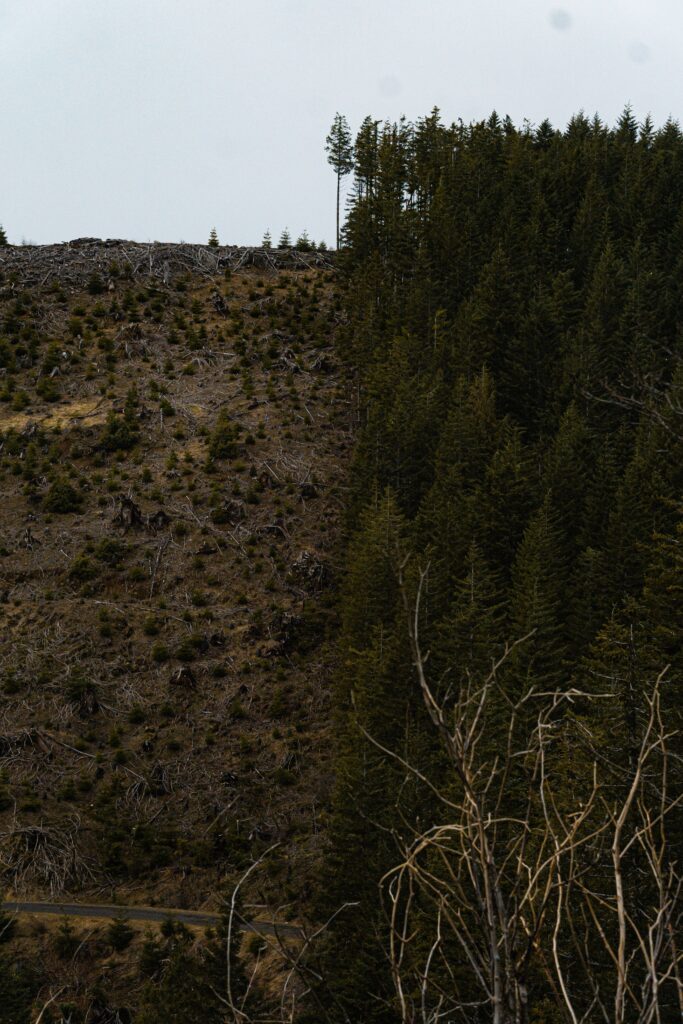
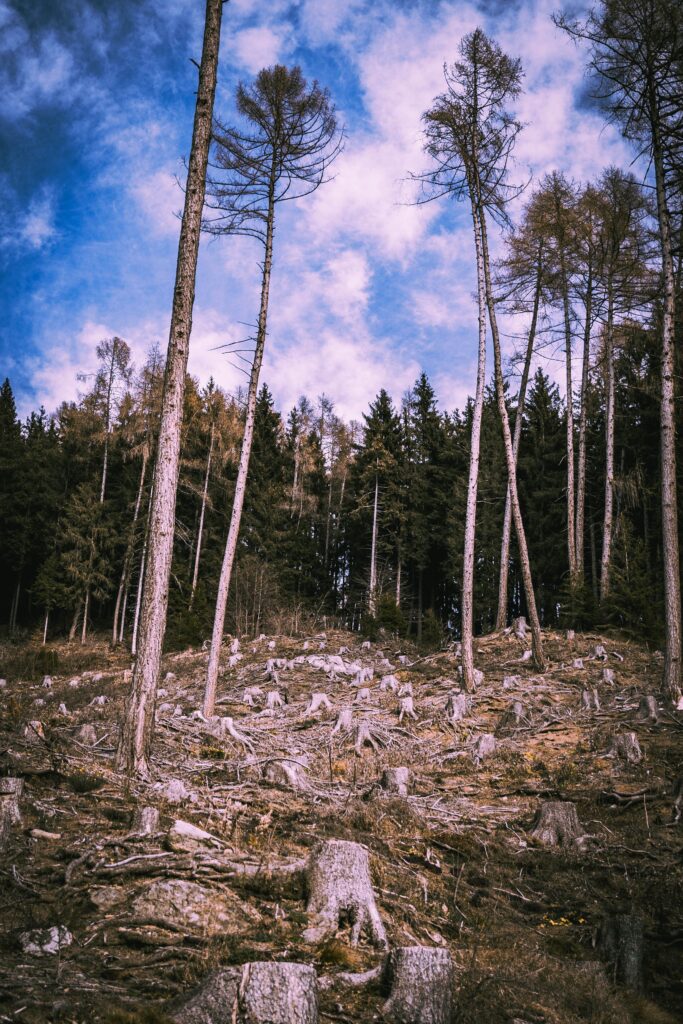
Deforestation refers to the large-scale cutting down of forests.
वनों की कटाई का अर्थ है बड़े पैमाने पर पेड़ों को काटना।
Causes of Deforestation | वनों की कटाई के कारण
- Urbanization
- Industrial development
- Agriculture
- Mining
- Construction of roads and dams
वनों की कटाई के कारण
- शहरीकरण
- औद्योगिक विकास
- कृषि विस्तार
- खनन
- सड़क एवं बांध निर्माण
Consequences of Deforestation | वनों की कटाई के परिणाम
English
- Soil erosion
- Floods
- Global warming
- Desertification
- Loss of biodiversity
हिंदी
- मृदा अपरदन
- बाढ़
- वैश्विक तापवृद्धि
- मरुस्थलीकरण
- जैव विविधता में कमी
Wildlife Sanctuary | वन्यजीव अभयारण्य
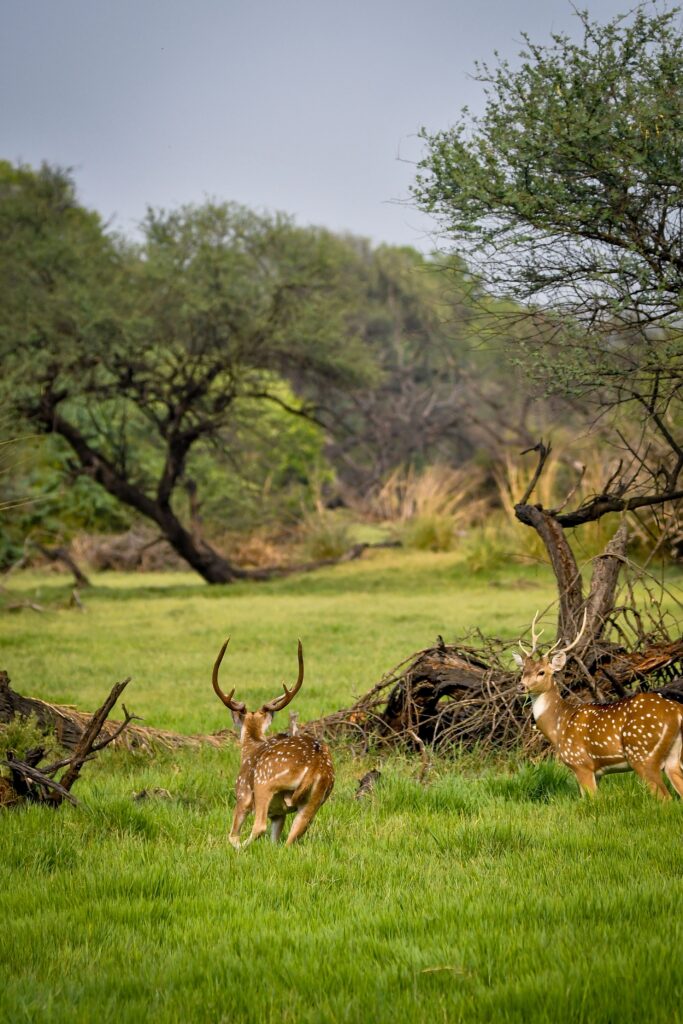
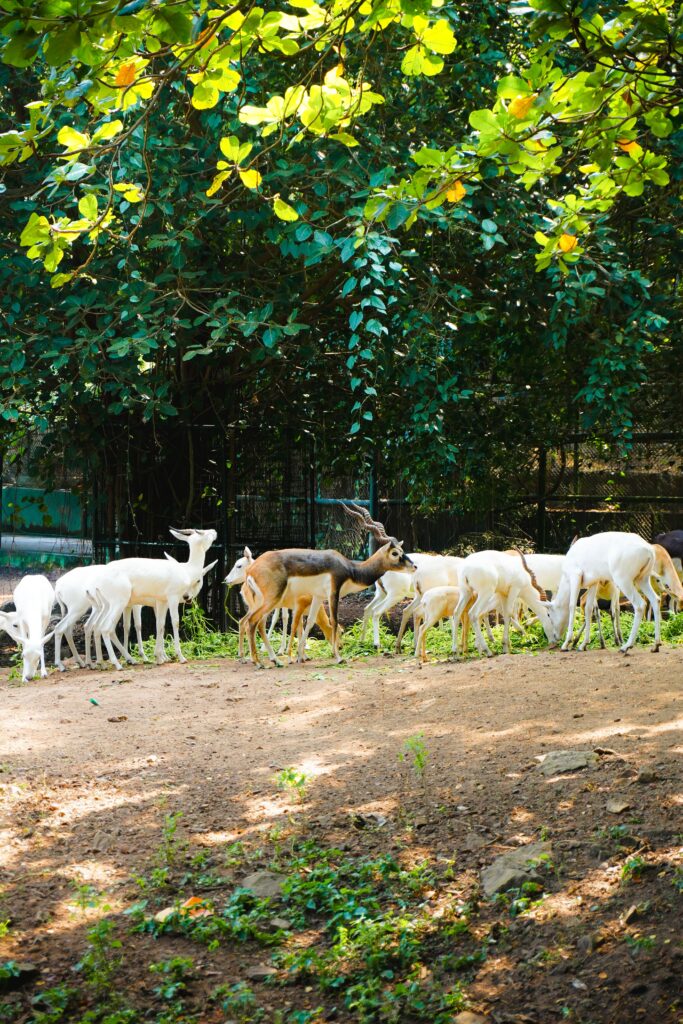
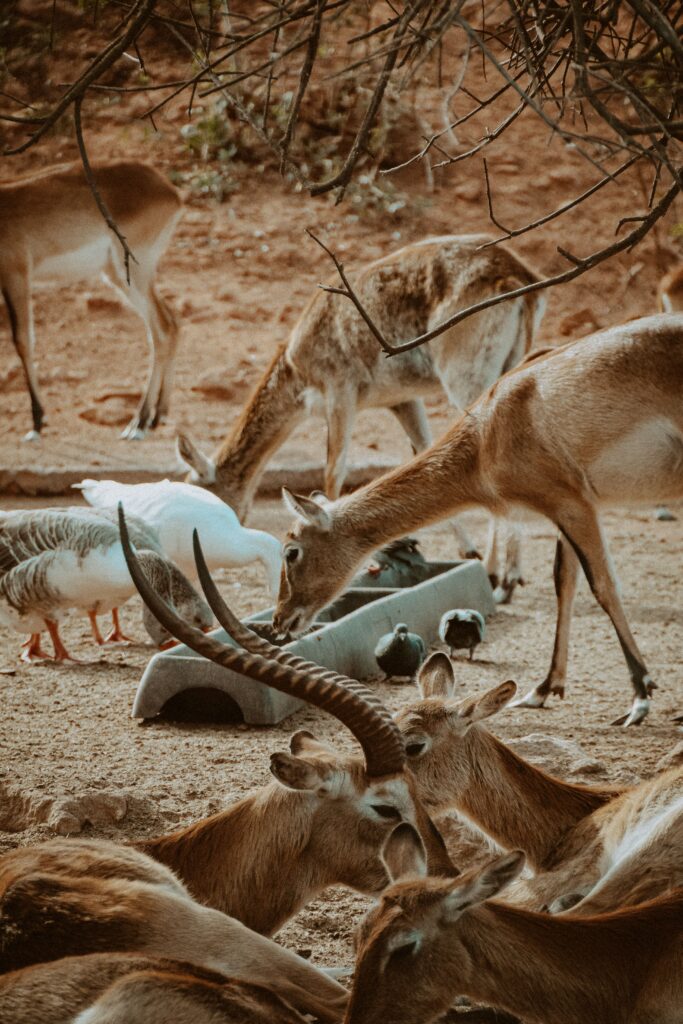
A Wildlife Sanctuary is a protected area where animals can live safely in their natural habitat.
वन्यजीव अभयारण्य एक संरक्षित क्षेत्र है जहाँ पशु अपने प्राकृतिक आवास में सुरक्षित रह सकते हैं।
Examples
- Bharatpur Bird Sanctuary
- Gir Wildlife Sanctuary
National Park | राष्ट्रीय उद्यान
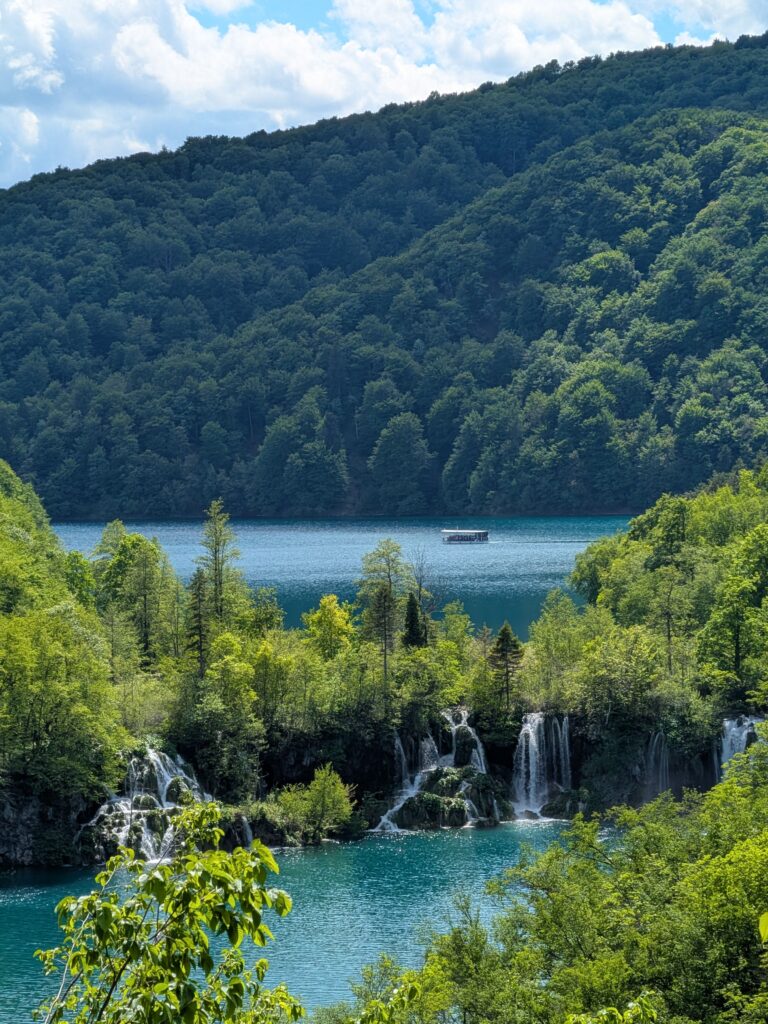
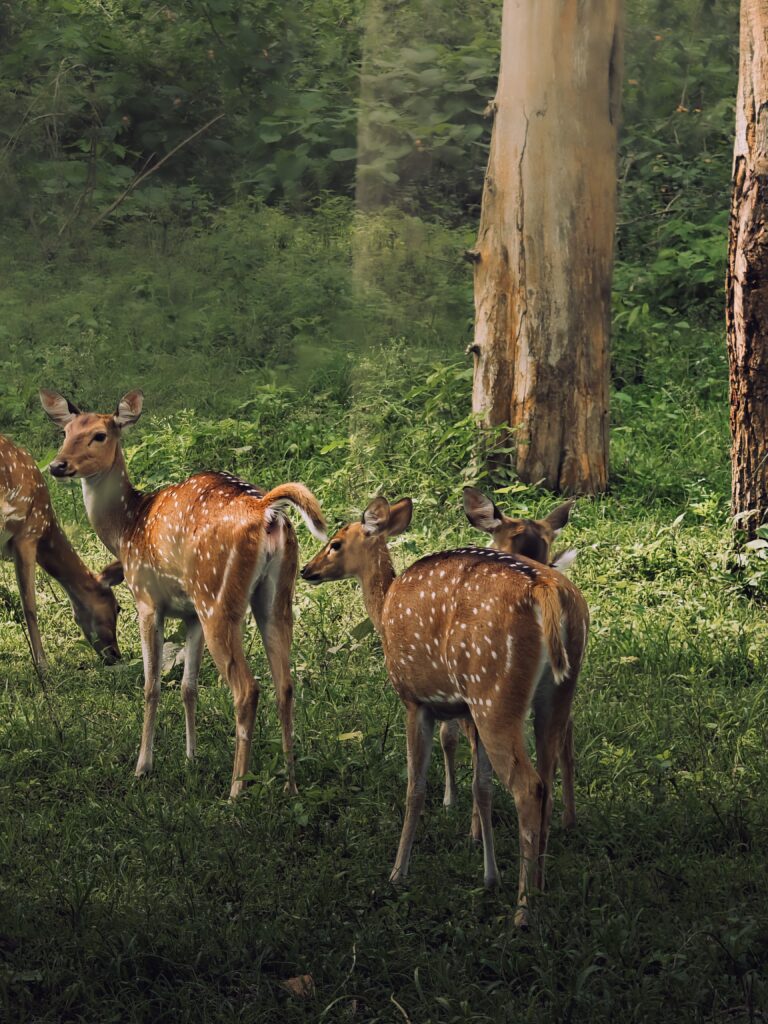
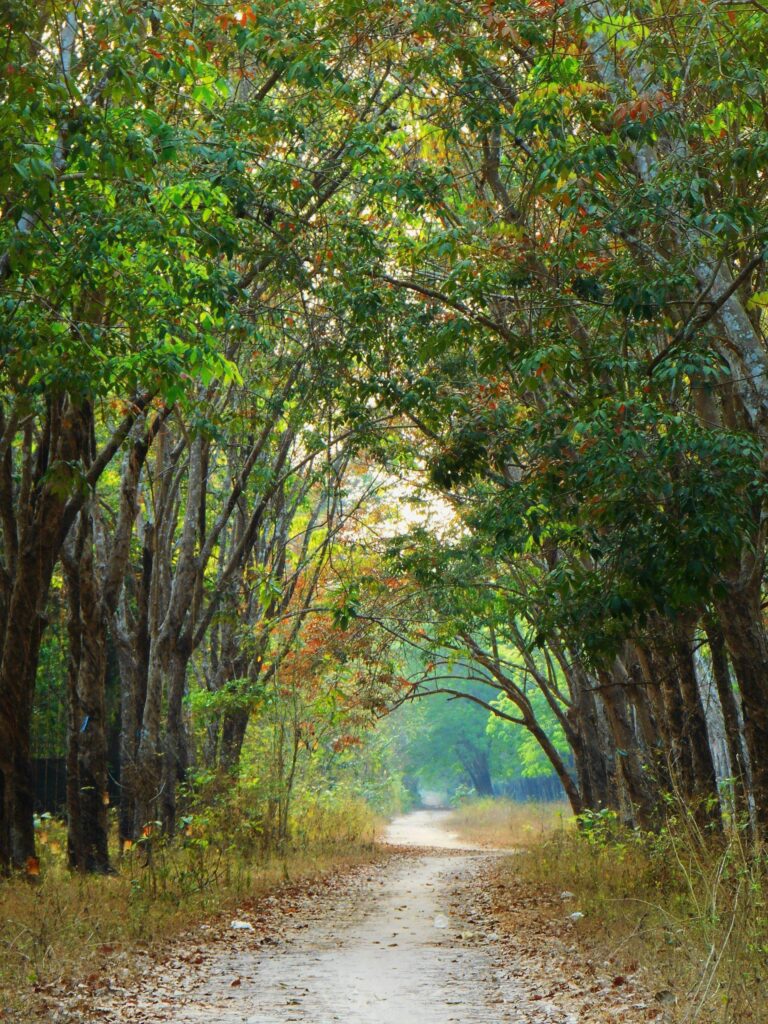
A National Park is a protected area reserved for wildlife and biodiversity conservation.
राष्ट्रीय उद्यान वन्यजीवों और जैव विविधता के संरक्षण के लिए आरक्षित क्षेत्र होता है।
Examples
- Jim Corbett National Park
- Kaziranga National Park
- Ranthambore National Park
Biosphere Reserve | जैवमंडल आरक्षित क्षेत्र
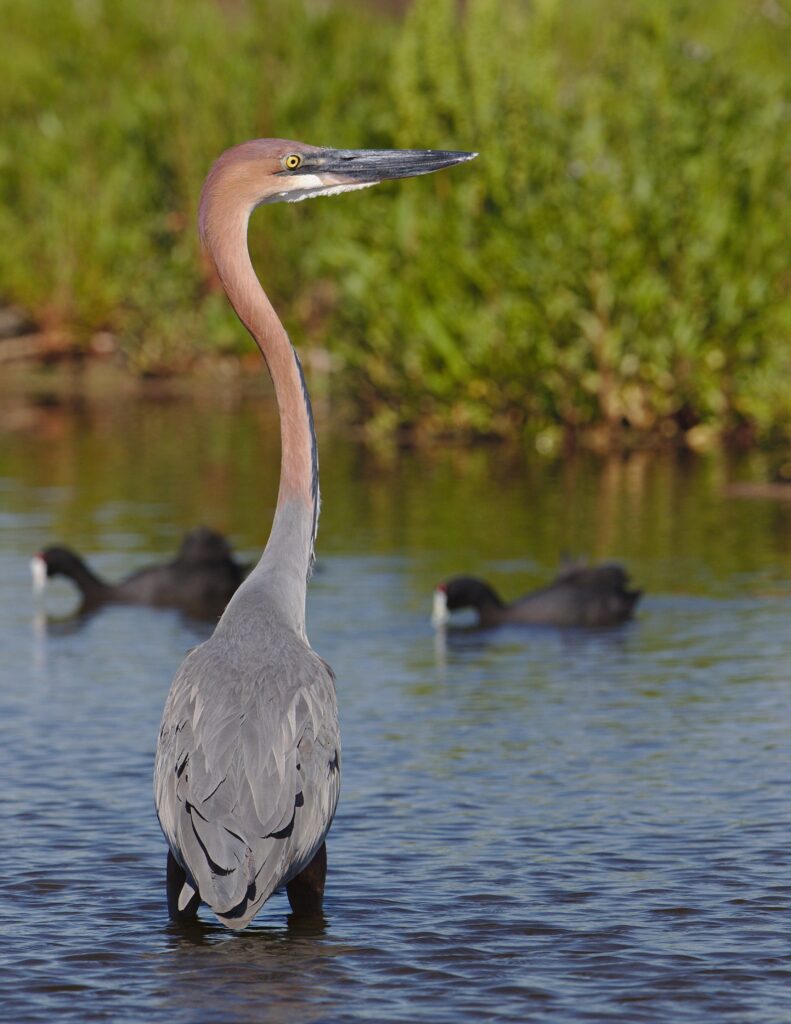
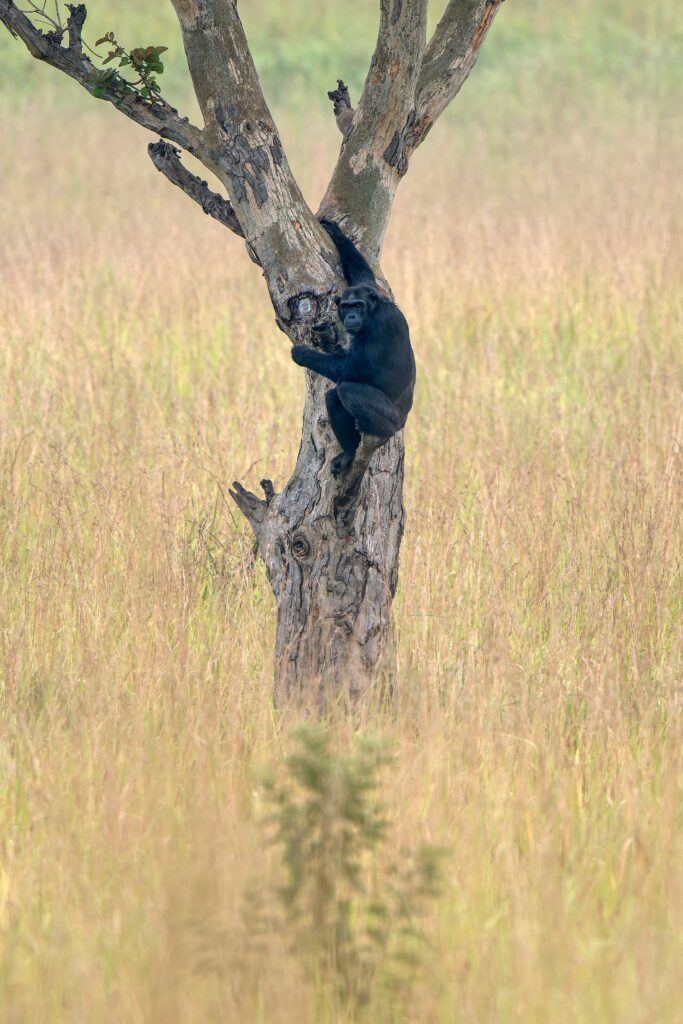
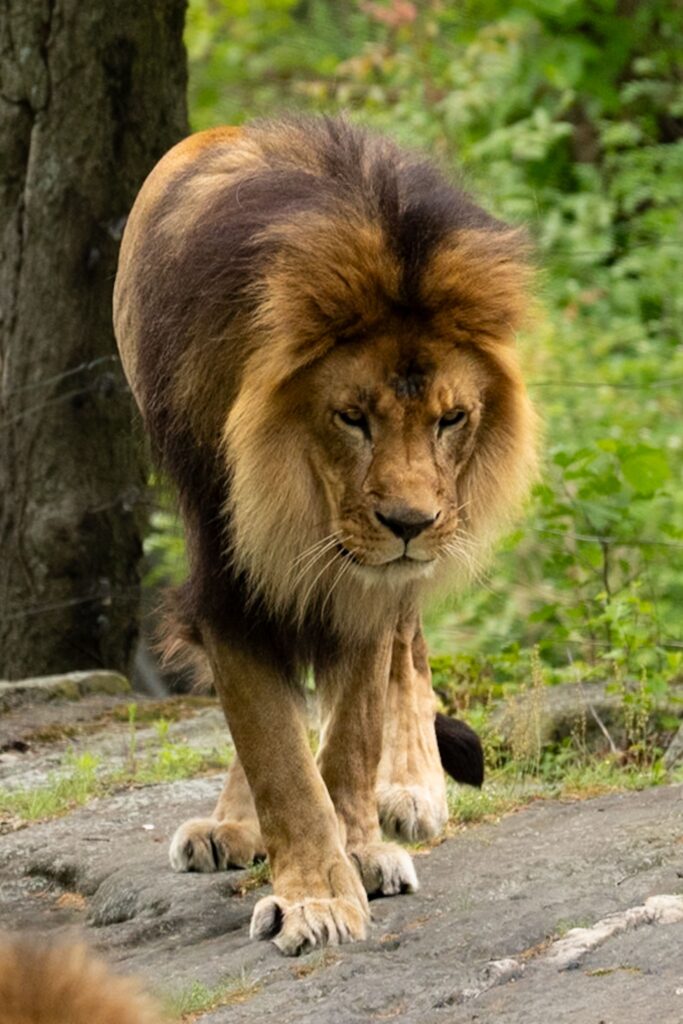
A Biosphere Reserve is a large protected area that conserves plants, animals, and traditional lifestyles.
जैवमंडल आरक्षित क्षेत्र एक विशाल संरक्षित क्षेत्र है जहाँ पौधों, जीव-जंतुओं और पारंपरिक जीवनशैली का संरक्षण किया जाता है।
Examples
- Nilgiri Biosphere Reserve
- Sundarbans Biosphere Reserve
Flora and Fauna | वनस्पति एवं जीव-जंतु
Flora
Plants found in a particular area are called Flora.
किसी क्षेत्र में पाए जाने वाले पौधों को वनस्पति (Flora) कहते हैं।
Fauna
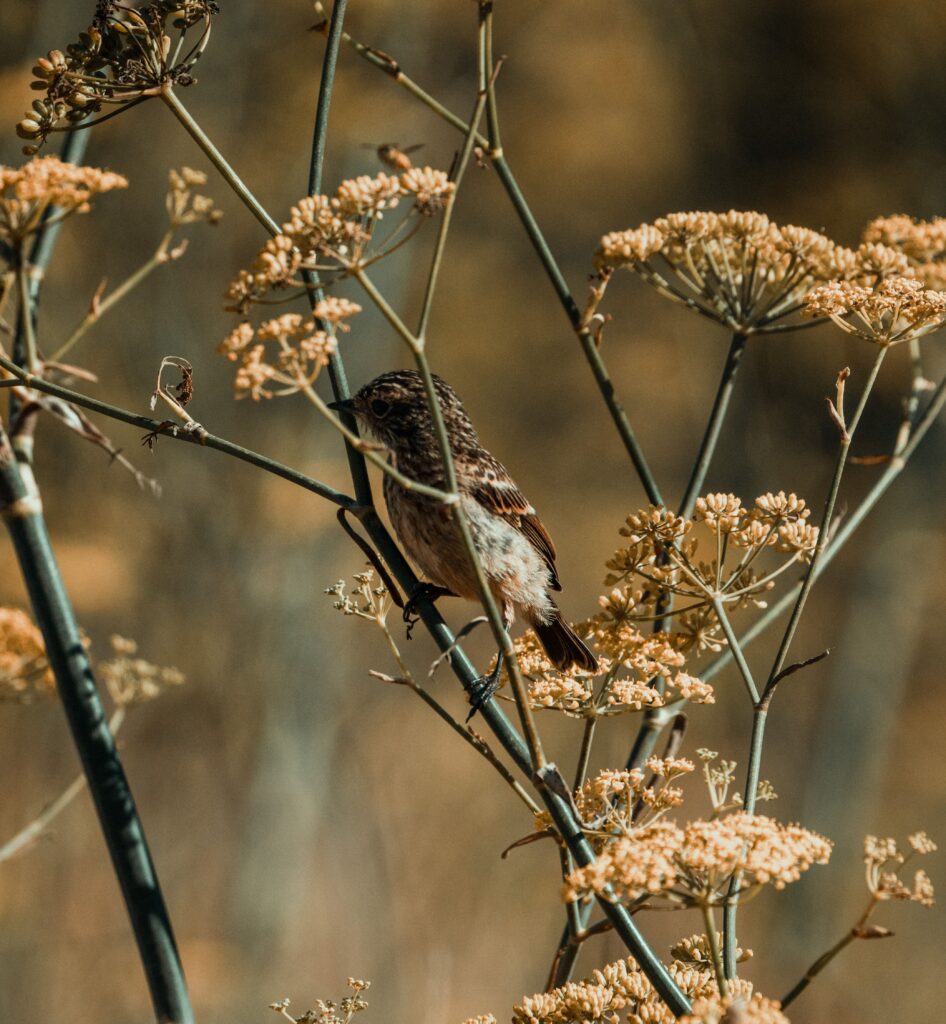
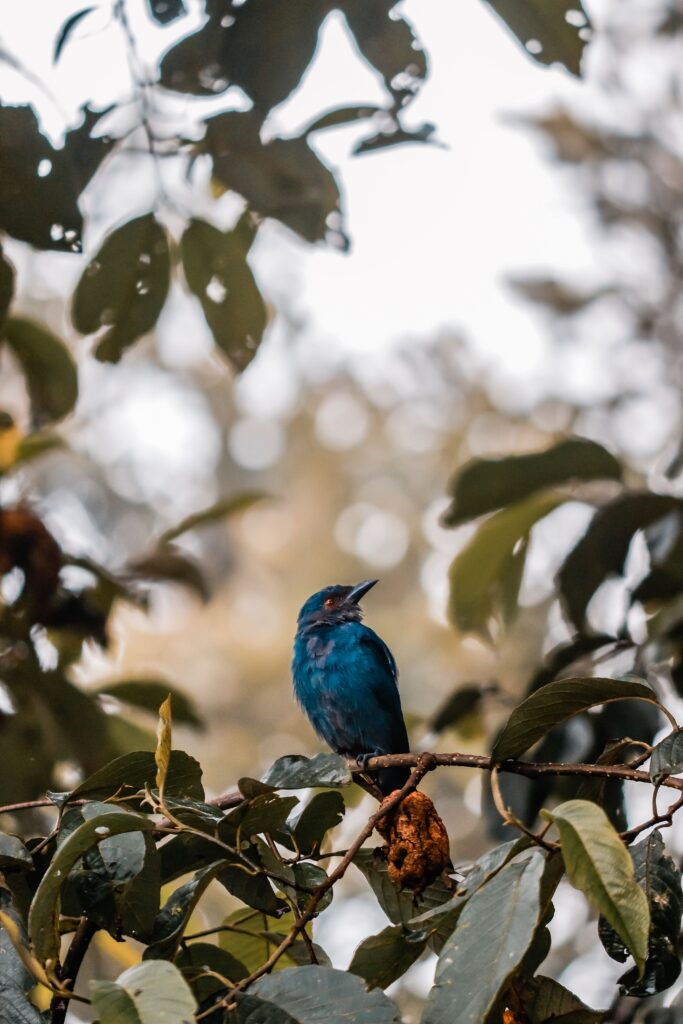
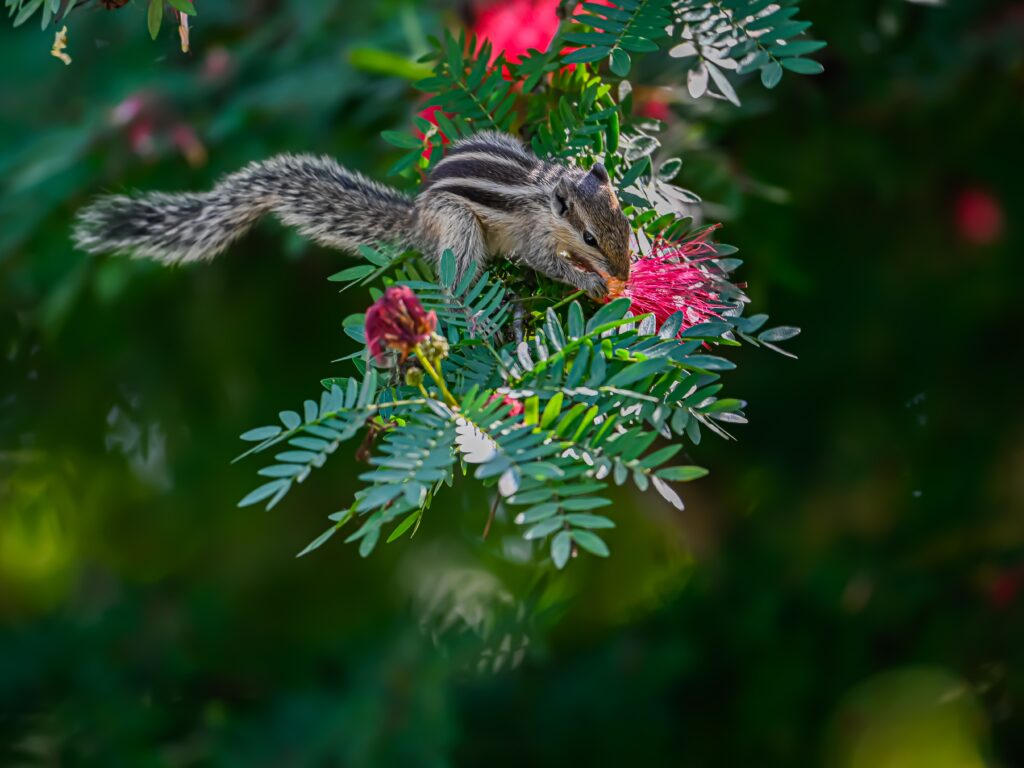
Animals found in a particular area are called Fauna.
किसी क्षेत्र में पाए जाने वाले जीव-जंतुओं को जीव-जंतु (Fauna) कहते हैं।
Red Data Book | रेड डाटा बुक
The Red Data Book contains records of endangered plants and animals.
रेड डाटा बुक में संकटग्रस्त पौधों और जीव-जंतुओं का विवरण होता है।
Migration | प्रवास
Migration is the seasonal movement of animals or birds from one place to another.
प्रवास वह प्रक्रिया है जिसमें पक्षी या जीव मौसम के अनुसार एक स्थान से दूसरे स्थान पर जाते हैं।
Example
Siberian Crane migrates to India during winter.
साइबेरियन क्रेन सर्दियों में भारत आती है।
Recycling of Paper | कागज का पुनर्चक्रण
Recycling paper reduces the need to cut trees and helps conserve forests.
कागज का पुनर्चक्रण पेड़ों की कटाई कम करता है और वनों के संरक्षण में सहायता करता है।
Key Points for Revision
| Conservation protects biodiversity. |
| Deforestation causes global warming. |
| National Parks protect wildlife |
| Wildlife Sanctuaries provide safe habitats. |
| Biosphere Reserves conserve ecosystems. |
| Red Data Book records endangered species. |
| Recycling paper helps save forests. |
| Migration is seasonal movement of animals. |
Important Question Answers
Q1. What is deforestation?
Answer: Cutting down forests on a large scale is called deforestation.
उत्तर: बड़े पैमाने पर वनों को काटना वनों की कटाई कहलाता है।
Q2. Why is conservation important?
Answer: Conservation protects biodiversity and ecological balance.
उत्तर: संरक्षण जैव विविधता और पारिस्थितिक संतुलन बनाए रखता है।
Q3. What is a Wildlife Sanctuary?
Answer: It is a protected area where animals are conserved in their natural habitat.
उत्तर: यह एक संरक्षित क्षेत्र है जहाँ जीव-जंतुओं का संरक्षण किया जाता है।
Q4. What is the Red Data Book?
Answer: A book containing records of endangered species.
उत्तर: संकटग्रस्त प्रजातियों का रिकॉर्ड रखने वाली पुस्तक।
Q5. What is migration?
Answer: Seasonal movement of birds and animals from one place to another.
उत्तर: जीव-जंतुओं का मौसम के अनुसार स्थान परिवर्तन।
MCQs ( Conservation of Plants and Animals Class 8 )
1. Large-scale cutting of forests is called:
A. Plantation
B. Irrigation
C. Deforestation ✅
D. Conservation
2. Which book contains information about endangered species?
A. Green Book
B. Blue Book
C. Red Data Book ✅
D. Wildlife Book
3. Jim Corbett is a:
A. Sanctuary
B. National Park ✅
C. Zoo
D. Biosphere
4. Which bird migrates to India?
A. Crow
B. Sparrow
C. Siberian Crane ✅
D. Pigeon
5. Recycling paper helps in:
A. Cutting forests
B. Saving forests ✅
C. Mining
D. Pollution
HOTS (Higher Order Thinking Skills)
Q1. How does deforestation affect climate change?
Answer: Deforestation increases carbon dioxide levels, causing global warming and climate change.
Q2. Why should endangered species be protected?
Answer: They maintain ecological balance and biodiversity.
Q3. How can students contribute to conservation?
Answer: By planting trees, saving paper, and spreading awareness.
Q4. What would happen if forests disappeared completely?
Answer: Biodiversity would decline, climate would change drastically, and ecological balance would be disturbed.
Q5. Why are Biosphere Reserves larger than National Parks?
Answer: Because they protect entire ecosystems including plants, animals, and human communities.
Frequently Asked Questions (FAQs)
1. What is biodiversity?
The variety of plants, animals, and microorganisms found in an area.
2. What is conservation?
Protection of natural resources and wildlife.
3. What is flora?
Plants found in a particular region.
4. What is fauna?
Animals found in a particular region.
5. Why is the Red Data Book important?
It helps identify and protect endangered species.
6. What causes migration?
Seasonal changes, food availability, and breeding requirements.
7. How does recycling help forests?
It reduces the need to cut more trees.
Conclusion ( Conservation of Plants and Animals Class 8 )
Conservation of plants and animals is essential for maintaining ecological balance and ensuring a sustainable future. Moreover, forests, wildlife sanctuaries, national parks, and biosphere reserves play a crucial role in protecting biodiversity. Therefore, every individual must contribute to conservation efforts by planting trees, reducing paper wastage, and protecting wildlife. Ultimately, preserving nature today will secure a healthier and greener planet for future generations.
निष्कर्ष
पौधों एवं जीव-जंतुओं का संरक्षण पर्यावरणीय संतुलन बनाए रखने तथा भविष्य की पीढ़ियों के लिए स्वस्थ पृथ्वी सुनिश्चित करने के लिए अत्यंत आवश्यक है। इसके अलावा, वन, वन्यजीव अभयारण्य, राष्ट्रीय उद्यान और जैवमंडल आरक्षित क्षेत्र जैव विविधता की रक्षा में महत्वपूर्ण भूमिका निभाते हैं। इसलिए प्रत्येक व्यक्ति को वृक्षारोपण, कागज की बचत और वन्यजीव संरक्षण में योगदान देना चाहिए। अंततः, आज प्रकृति की रक्षा करना आने वाले कल को सुरक्षित बनाना है।
Keep Learning, Keep Growing! 🚀
P Kumar | Rising Star Mindset
www.risingstarmindset.com
Together We Will Make The Difference
hiiiiiiiiiiiiiiiiiiiiiiiiiiiiiiiiiiiiiiiiiiiiiiiiiiiiiiiiiiiiiiiiiiiiiiiiiiiiiiiiiiiiiiiiiiiiiiiiiiiiiiiiiiiiiiiiiiiiiiiiiiiiiiiiiiiiiiiiiiiiiiiiiiiiiiiiiiiiiiiiiiiiiiiiiiiiiiiiiiiiiiiiiiiiiiiiiiiiiiiiiiiiiiiiiiiiiiiiiiiiiiiiiiiiiiiiiiiiiiiiiiiiiiiiiiiiiiiiiiiiiiiiiiiiiiiiiiiiiiiiiiiiiiiiiiiiiiiiiiiiiiiiiiiiiiiiiiiiiiiiiiiiiiiiiiiiiiiiiiiiiiiiiiiiiiiiiiiiiiiiiiiiiiiiIIIIIIIIIIIIIIIIIIIIIIIIIIIIIIIIIIIIIIIIIIIIIIIIIIIIIIIIIIIIiiiiiiiiiiiiiiiiiiiiiiiiiiiiiiiiiiiiiiiiiiiiiiiiiiiiiiiiiiiiiiiiiiiiiiiiiiiiiiiiiiiiiiiiiiiiiiiiiiiiiiiiiiiiiiiiiiiiiiiiiiiiiiiiiiiiiiiiiiiiiiiiiiiiiiiiiiiiiiiiiiiiiiiiiiiiiiiiiiiiiiiiiiiiiiiiiiiiiiiiiiiiiiiiiiiiiiiiiiiiiiiiiiiiiiiiiiiiiiiiiiiiiiiiiiiiiiiiiiiiiiiiiiiiiiiiiiiiiiiiiiiiiiiiiiiiiiiiiiiiiiiiiiiiiiiiiiiiiiiiiiiiiiiiiiiiiiiiiiiiiiiiiiiiiiiiiiiiiiiiiiiiiiiiiiiiiiiiiiiiiiiiiiiiiiiiiiiiiiiiiiiiiiiiiiiiiiiiiiiiiiiiiiiiiiiiiiiiiiiiiiiiiiiiiiiiiiiiiiiiiiiiiiiiiiiiiiiiiiiiiiiiiiiiiiiiiiiiiiiiiiiiiiiiiiiiiiiiiiiiiiiiiiiiiiiiiiiiiiiiiiiiiiiiiiiiiiiiiiiiiiiiiiiiiiiiiiiiiiiiiiiiiiiiiiiiiiiiiiiiiiiiiiiiiiiiiiiiiiiiiiiiiiiiiiiiiiiiiiiiiiiiiiiiiiiiiiiiiiiiiiiiiiiiiiiiiiiiiiiiiiiiiiiiiiiiiiiiiiiiiiiiiiiiiiiiiiiiiiiiiiiiiiiiiiiiiiiiiiiiiiiiiiiiiiiiiiiiiiiiiiiiiiiiiiiiiiiiiiiiiiiiiiiiiiiiiiiiiiiiiiiiiiiiiiiiiiiiiiiiiiiiiiiiiiiiiiiiiiiiiiiiiiiiiiiiiiiiiiiiiiiiiiiiiiiiiiiiiiiiiiiiiiiiiiiiiiiiiiiiiiiiiiiiiiiiiiiiiiiiiiiiiiiiiiiiiiiiiiiiiiiiiiiiiiiiiiiiiiiiiiiiiiiiiiiiiiiiiiiiiiiiiiiiiiiiiiiiiiiiiiiiiiiiiiiiiiiiiiiiiiiiiiiiiiiiiiiiiiiiiiiiiiiiiiiiiiiiiiiiiiiiiiiiiiiiiiiiiiiiiiiiiiiiiiiiiiiiiiiiiiiiiiiiiiiiiiiiiiiiiiiiiiiiiiiiiiiiiiiiiiiiiiiiiiiiiiiiiiiiiiiiiiiiiiiiiiiiiiiiiiiiiiiiiiiiiiiiiiiiiiiiiiiiiiiiiiiiiiiiiiiiiiiiiiiiiiiiiiiiiiiiiiiiiiiiiiiiiiiiiiiiiiiiiiiiiiiiiiiiiiiiiiiiiiiiiiiiiiiiiiiiiiiiiiiiiiiiiiiiiiiiiiiiiiiiiiiiiiiiiiiiiiiiiiiiiiiiiiiiiiiiiiiiiiiiiiiiiiiiiiiiiiiiiiiiiiiiiiiiiiiiiiiiiiiiiiiiiiiiiiiiiiiiiiiiiiiiiiiiiiiiiiiiiiiiiiiiiiiiiiiiiiiiiiiiiiiiiiiiiiiiiiiiiiiiiiiiiiiiiiiiiiiiiiiiiiiiiiiiiiiiiiiiiiiiiiiiiiiiiiiiiiiiiiiiiiiiiiiiiiiiiiiiiiiiiiiiiiiiiiiiiiiiiiiiiiii