
Combustion and Flame Class 8 Notes
Combustion and Flame is an important chapter of Class 8 Science. In this chapter, students learn about combustion, fuels, flames, ignition temperature, fire control, and the harmful effects of fuel burning. ( Combustion and Flame Class 8 )
यह अध्याय दहन (Combustion), ज्वाला (Flame), ईंधन (Fuel), आग पर नियंत्रण तथा पर्यावरण पर इसके प्रभावों के बारे में जानकारी देता है।
Table of Contents
- Introduction
- Combustion (दहन)
- Conditions Necessary for Combustion
- Ignition Temperature
- Types of Combustion
- Flame (ज्वाला)
- Structure of a Candle Flame
- Fuel and Its Characteristics
- Calorific Value
- Harmful Effects of Fuel Burning
- Fire Control
- Important Abbreviations
- Key Points
- MCQs
- HOTS Questions
- Important Question Answers
- FAQs
1. Introduction (परिचय)
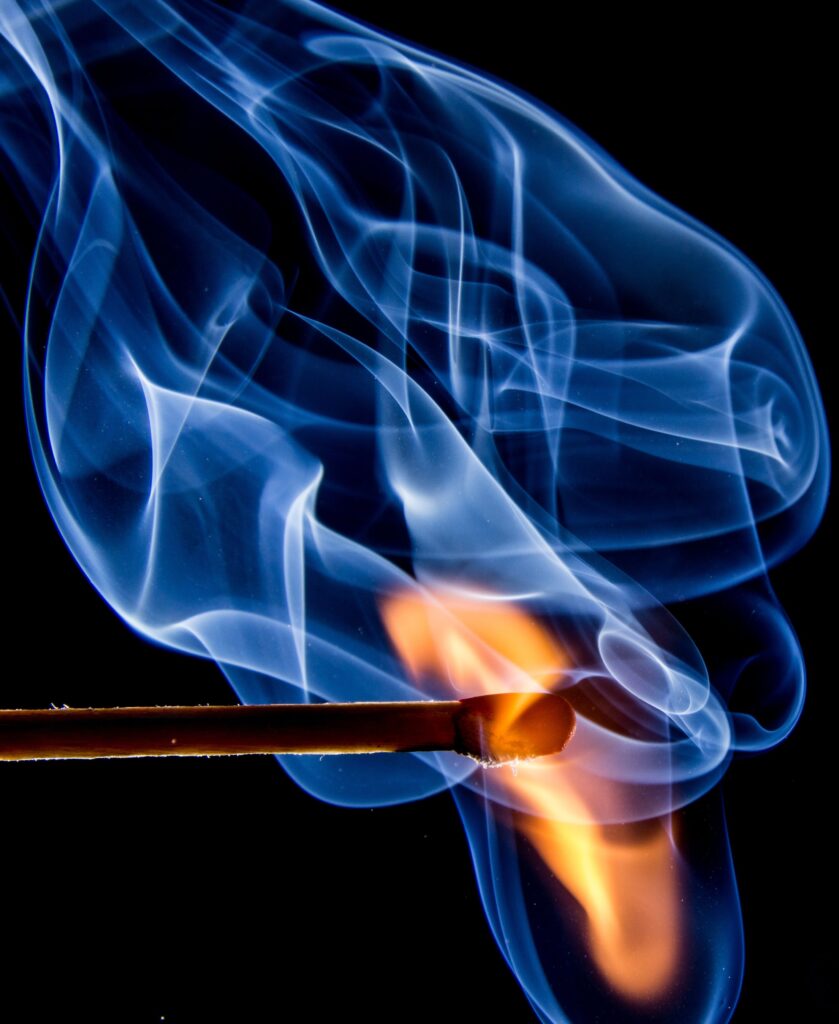
Whenever a substance burns in the presence of oxygen and produces heat and light, the process is called combustion. PREVIOUS TOPIC: Coal And Petroleum
जब कोई पदार्थ ऑक्सीजन की उपस्थिति में जलकर ऊष्मा एवं प्रकाश उत्पन्न करता है, तो उसे दहन (Combustion) कहते हैं।
Examples
- Burning of wood , LPG , Coal, Candle.etc
2. Combustion (दहन)
Definition
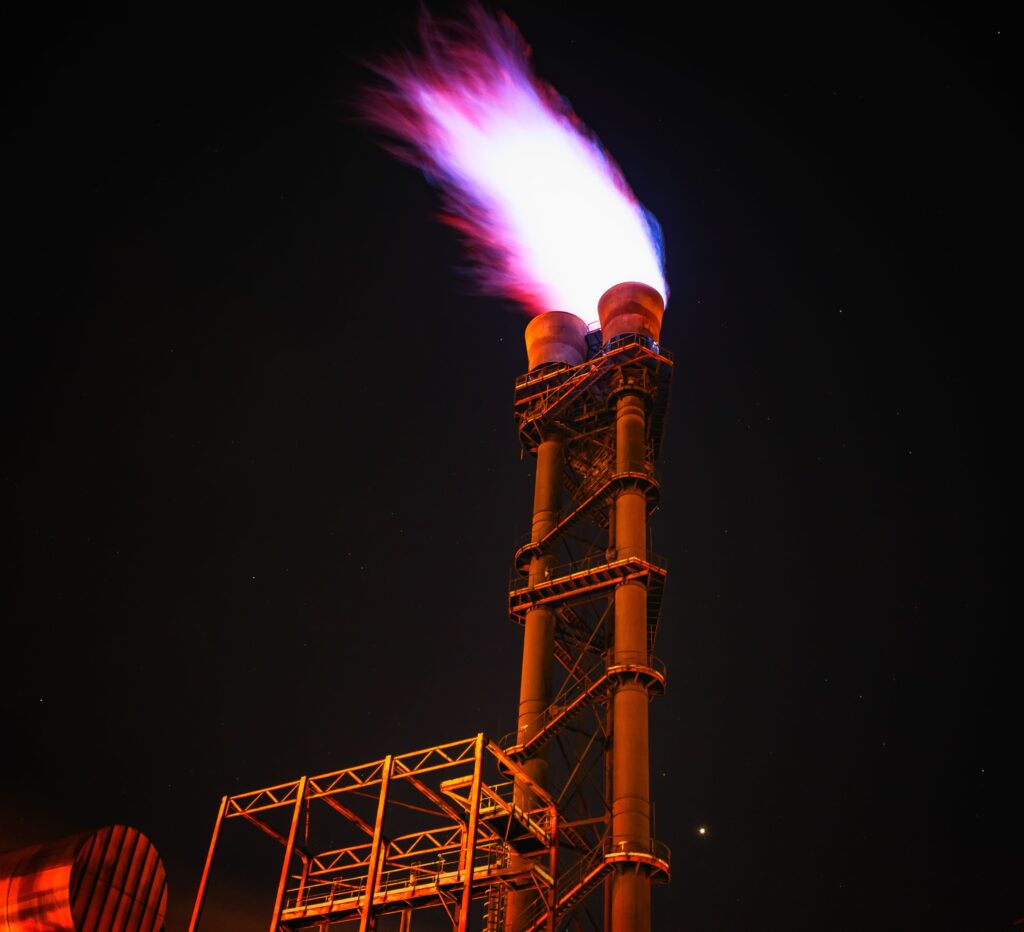
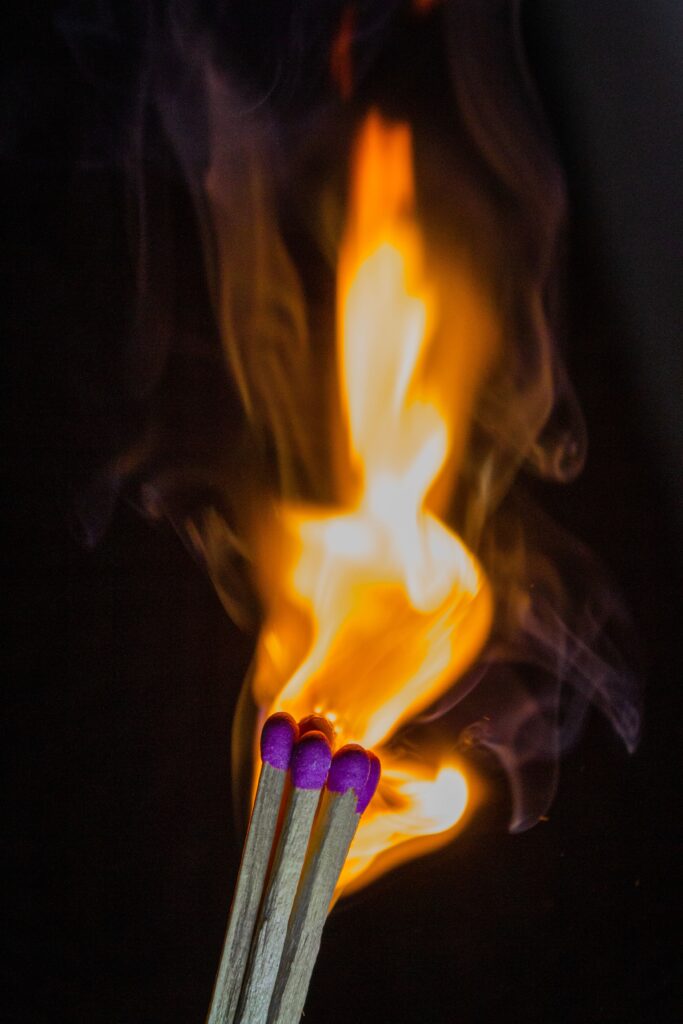
Combustion is a chemical process in which a substance reacts with oxygen to produce heat and light.
Hindi Explanation
दहन एक रासायनिक प्रक्रिया है जिसमें कोई पदार्थ ऑक्सीजन के साथ अभिक्रिया करके ऊष्मा तथा प्रकाश उत्पन्न करता है।
Example
Coal + Oxygen → Carbon Dioxide + Heat
3. Conditions Necessary for Combustion
For combustion to occur, three conditions are necessary:
| Condition | Hindi Meaning |
|---|---|
| Fuel | ईंधन |
| Oxygen | ऑक्सीजन |
| Ignition Temperature | ज्वलन ताप |
Fuel
The substance that burns is called fuel.
जो पदार्थ जलता है उसे ईंधन कहते हैं।
Oxygen
Oxygen supports combustion.
ऑक्सीजन दहन में सहायता करती है।
Ignition Temperature
The lowest temperature at which a substance catches fire is called ignition temperature.
वह न्यूनतम तापमान जिस पर कोई पदार्थ जलना शुरू करता है, ज्वलन ताप कहलाता है।
4. Ignition Temperature (ज्वलन ताप)
Different substances have different ignition temperatures.
Examples
| Substance | Ignition Temperature |
|---|---|
| Paper | Low |
| Coal | High |
| Wood | Moderate |
5. Types of Combustion
1. Rapid Combustion (तीव्र दहन)
Burning takes place rapidly after applying a flame.
Example
- LPG Gas
2. Spontaneous Combustion (स्वतः दहन)
A substance catches fire on its own.
Example
- White phosphorus
3. Explosion (विस्फोट)
Sudden combustion producing heat, light, sound, and gases.
Example
- Firecrackers
6. Flame (ज्वाला)
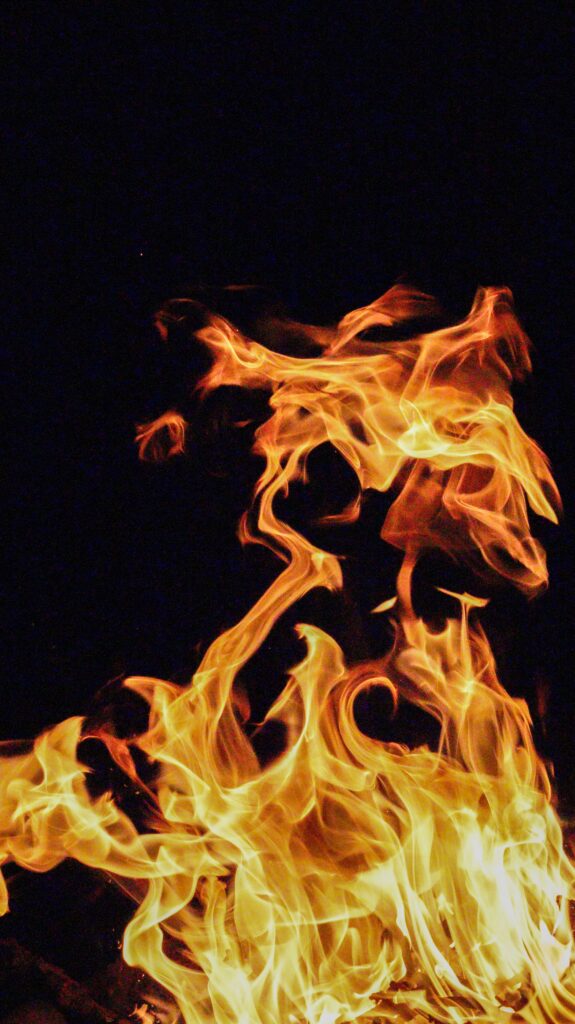
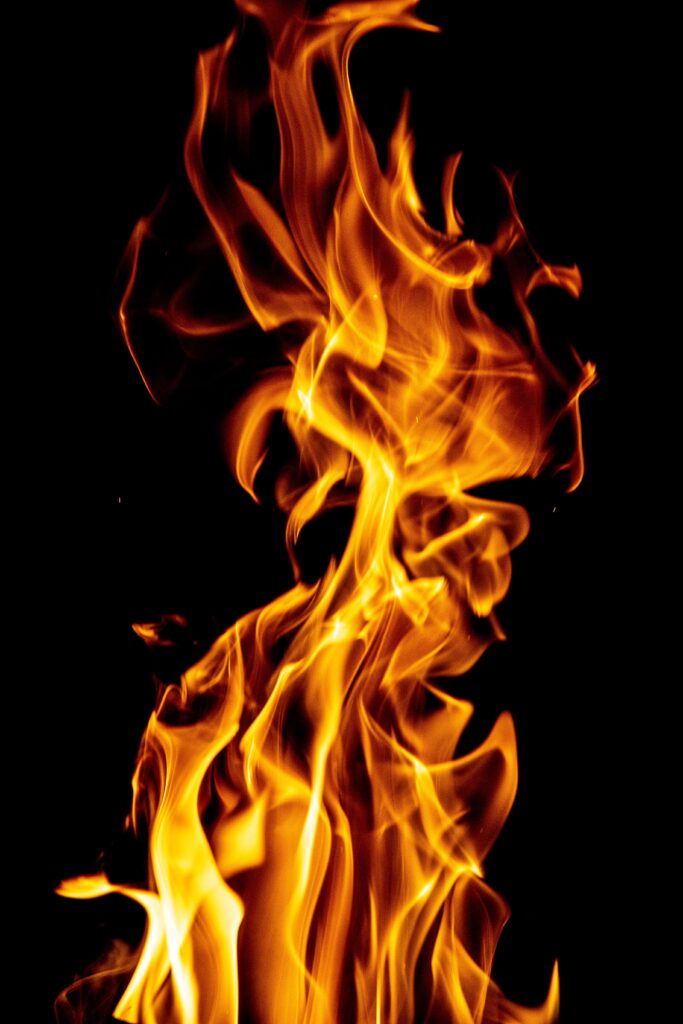
The visible gaseous part of a burning substance is called a flame.
जलते हुए पदार्थ का दिखाई देने वाला गैसीय भाग ज्वाला कहलाता है।
Examples
- Candle Flame
- Kerosene Lamp Flame
7. Structure of a Candle Flame
A candle flame has three zones.
1. Outer Zone
- Blue
- Hottest zone
- Complete combustion
Hindi
यह सबसे गर्म भाग होता है।
2. Middle Zone
- Yellow
- Luminous
- Partial combustion
Hindi
यह पीले रंग का चमकीला भाग होता है।
3. Inner Zone
- Dark zone
- Least hot
- Unburnt wax vapours
Hindi
यह सबसे कम गर्म भाग होता है।
Structure of Candle Flame
| Zone | Colour | Temperature |
|---|---|---|
| Outer | Blue | Highest |
| Middle | Yellow | Moderate |
| Inner | Dark | Lowest |
8. Fuel and Its Characteristics
A good fuel should:
| Have high calorific value |
| Be cheap |
| Burn easily |
| Produce less smoke |
| Be easy to store and transport |
Hindi
एक अच्छे ईंधन में अधिक ऊष्मीय मान, कम धुआँ तथा आसान भंडारण की विशेषता होनी चाहिए।
9. Calorific Value
The amount of heat produced by complete combustion of 1 kg fuel is called calorific value.
Unit
kJ/kg
Examples
| Fuel | Calorific Value (Approx.) |
|---|---|
| Cow Dung Cake | 8000 |
| Wood | 17000 |
| Coal | 25000 |
| LPG | 55000 |
| Hydrogen | 150000 |
10. Harmful Effects of Fuel Burning
1. Carbon Monoxide
- Poisonous gas
- Causes suffocation
2. Carbon Dioxide
- Causes global warming
3. Sulphur Dioxide
- Causes acid rain
Hindi
ईंधन के जलने से निकलने वाली गैसें पर्यावरण को नुकसान पहुँचाती हैं।
11. Fire Control
Fire can be controlled by removing any one of the three requirements:
1. Remove Fuel
ईंधन हटाएँ।
2. Cut Oxygen Supply
ऑक्सीजन की आपूर्ति रोकें।
3. Lower Temperature
तापमान कम करें।
Important Abbreviations ( Combustion and Flame Class 8 )
| Abbreviation | Full Form |
|---|---|
| LPG | Liquefied Petroleum Gas |
| CNG | Compressed Natural Gas |
| CO₂ | Carbon Dioxide |
| CO | Carbon Monoxide |
| kJ/kg | Kilojoule per Kilogram |
Key Points for Quick Revision
| Combustion is a chemical process. |
| Oxygen is essential for combustion. |
| Ignition temperature is necessary for burning. |
| LPG undergoes rapid combustion. |
| White phosphorus shows spontaneous combustion. |
| Explosion is sudden combustion. |
| Outer zone of flame is hottest. |
| Calorific value is measured in kJ/kg. |
| Hydrogen has the highest calorific value. |
| Carbon monoxide is poisonous. |
MCQs (Multiple Choice Questions)
1. Which gas supports combustion?
A. Nitrogen
B. Oxygen
C. Hydrogen
D. Helium
Answer: B. Oxygen
2. The hottest part of candle flame is:
A. Inner zone
B. Middle zone
C. Outer zone
D. Dark zone
Answer: C. Outer zone
3. Unit of calorific value is:
A. Joule
B. Newton
C. kJ/kg
D. Watt
Answer: C. kJ/kg
4. Which fuel has the highest calorific value?
A. Wood
B. Coal
C. LPG
D. Hydrogen
Answer: D. Hydrogen
5. Which gas causes global warming?
A. Oxygen
B. Carbon Dioxide
C. Nitrogen
D. Hydrogen
Answer: B. Carbon Dioxide
HOTS Questions
Q1. Why is LPG considered a better fuel than wood?
Answer:
LPG has a higher calorific value, burns cleanly, produces less smoke, and causes less pollution than wood.
Q2. Why can water not be used to extinguish an oil fire?
Answer:
Oil floats on water. Water spreads the burning oil and increases the fire.
Q3. Why is the outer zone of a flame hottest?
Answer:
Because complete combustion takes place in the outer zone.
Important Question Answers
Q1. What is combustion?
Answer:
The process of burning a substance in oxygen producing heat and light is called combustion.
Q2. What is ignition temperature?
Answer:
The minimum temperature at which a substance starts burning.
Q3. What is a fuel?
Answer:
A substance that burns to produce heat energy.
Q4. Define calorific value.
Answer:
The heat produced by complete combustion of 1 kg of fuel.
Q5. Name three types of combustion.
Answer:
- Rapid combustion
- Spontaneous combustion
- Explosion
FAQs
1. What is Combustion and Flame Class 8?
It is a chapter that explains combustion, fuels, flames, ignition temperature, fire control, and environmental effects.
2. Which is the hottest zone of a candle flame?
The outer blue zone.
3. What is ignition temperature?
The minimum temperature required for a substance to start burning.
4. Which gas is responsible for global warming?
Carbon dioxide (CO₂).
5. What is the SI unit of calorific value?
kJ/kg (Kilojoule per Kilogram).
Conclusion
Combustion and Flame Class 8 is an important chapter for school exams, Olympiads, and competitive exams. Students should focus on ignition temperature, types of combustion, candle flame zones, calorific value, and fire control methods for scoring high marks.
For more Class 8 Science Notes, MCQs, HOTS and Exam-Oriented Study Material visit:
www.risingstarmindset.com 🚀
Keep Learning, Keep Growing! 🚀
P Kumar | Rising Star Mindset
www.risingstarmindset.com
Together We Will Make The Difference