
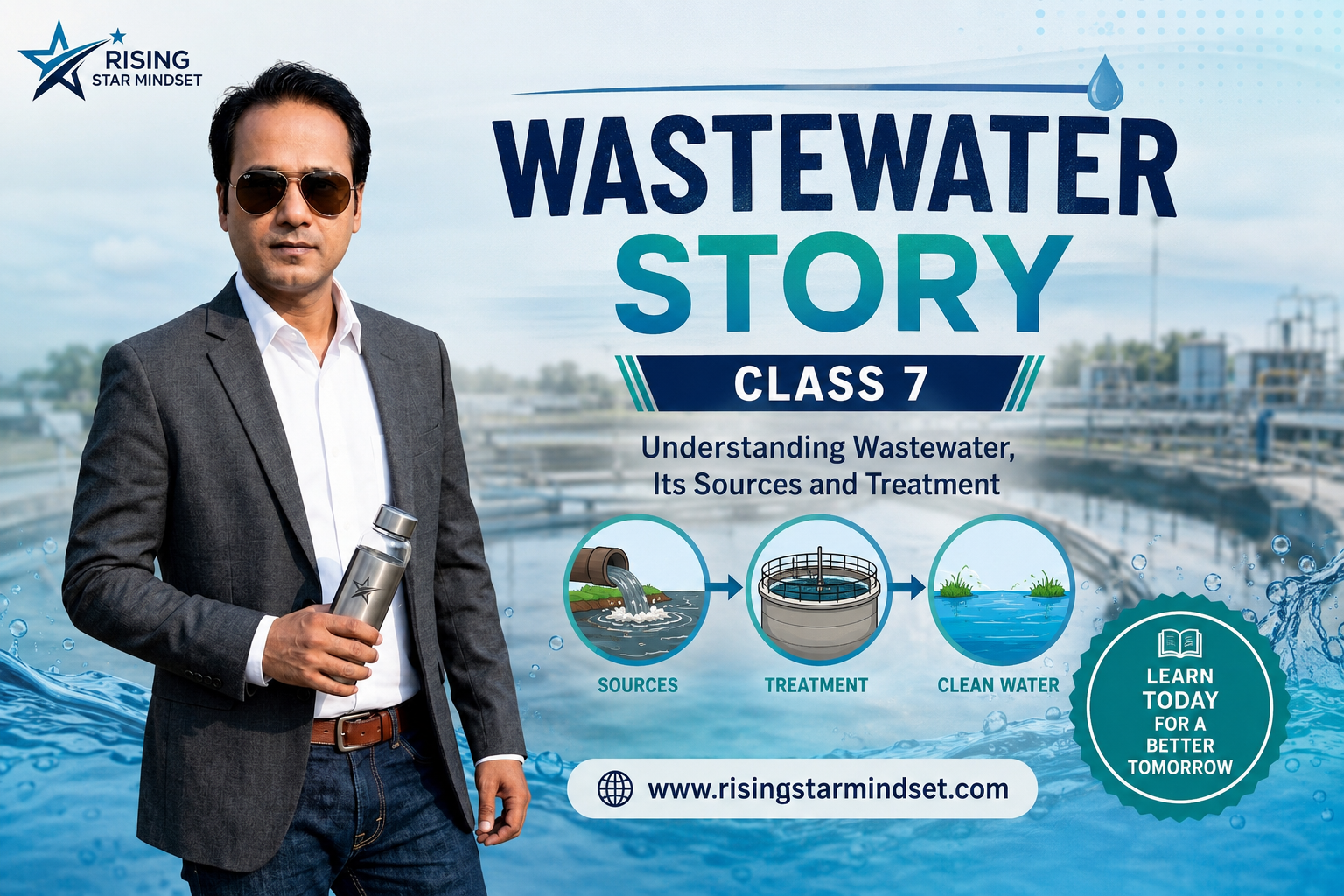
Wastewater Story
Wastewater management is very important for human health and environmental protection. In this chapter, students learn how wastewater is treated before it is released into rivers, lakes, or other water bodies. Moreover, they understand the importance of sanitation and clean water in daily life. ( Wastewater Story Class 7 ) PREVIOUS TOPIC : Most Important Forests Our LifelineNotes And RevisionExpound
Table of Contents ( Wastewater Story Class 7 )
- Introduction to Wastewater
- Meaning of Sewage
- Components of Wastewater
- Water Freshens Up – An Eventful Journey
- Wastewater Treatment Process
- Sanitation and Disease Prevention
- Alternative Arrangements for Sewage Disposal
- Better Housekeeping Practices
- Abbreviations
- Key Points
- Important Questions and Answers
- MCQs
- HOTS Questions
- FAQs
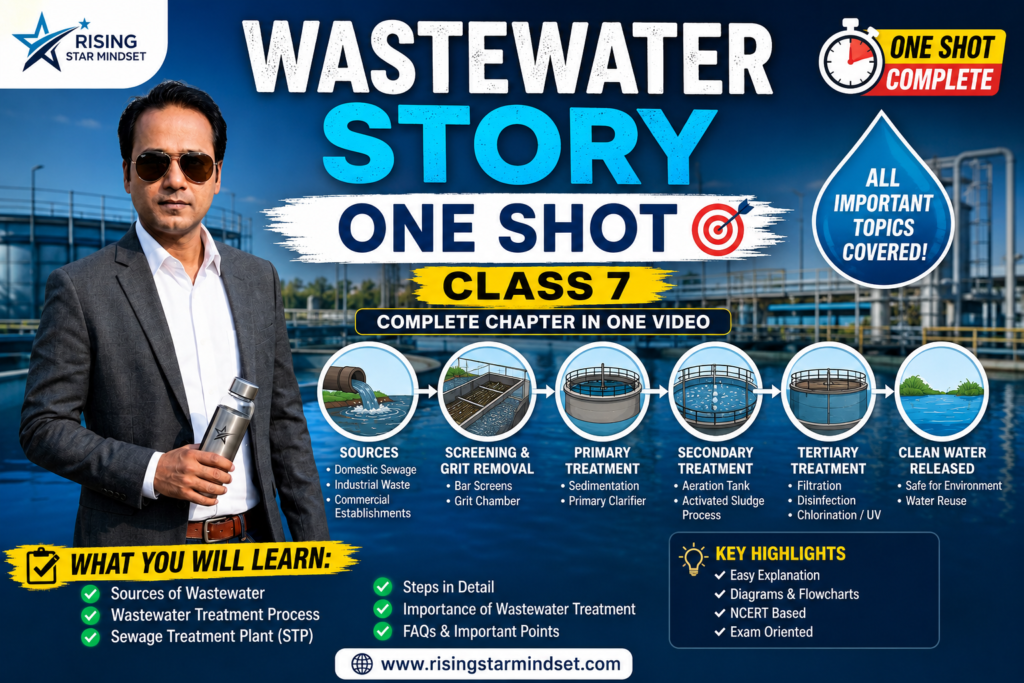
Introduction to Wastewater ( Wastewater Story Class 7 )
English Explanation
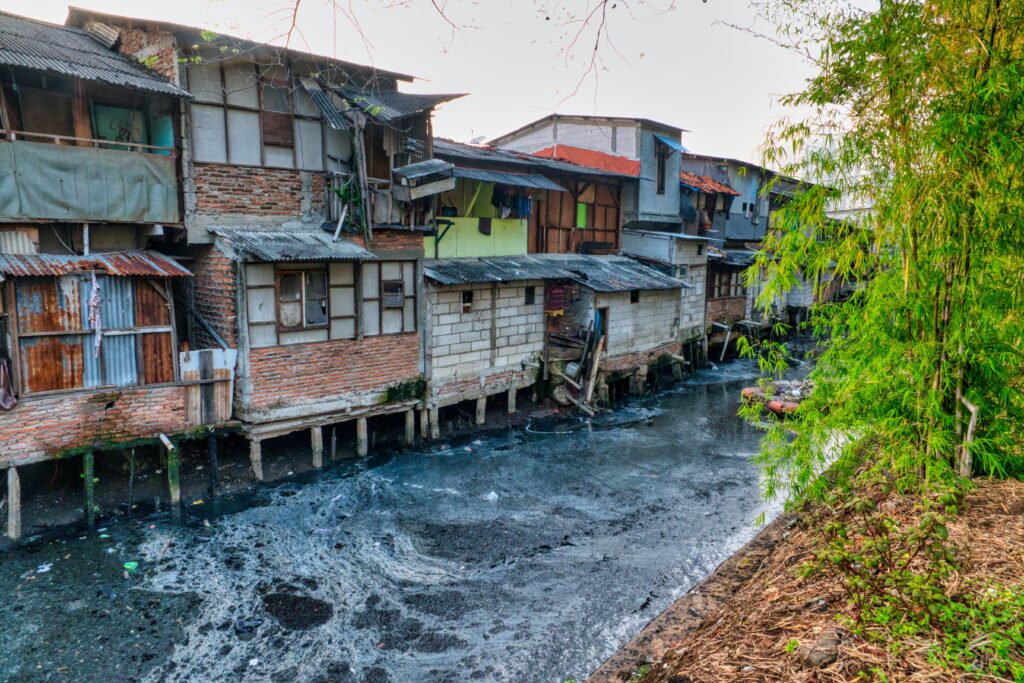
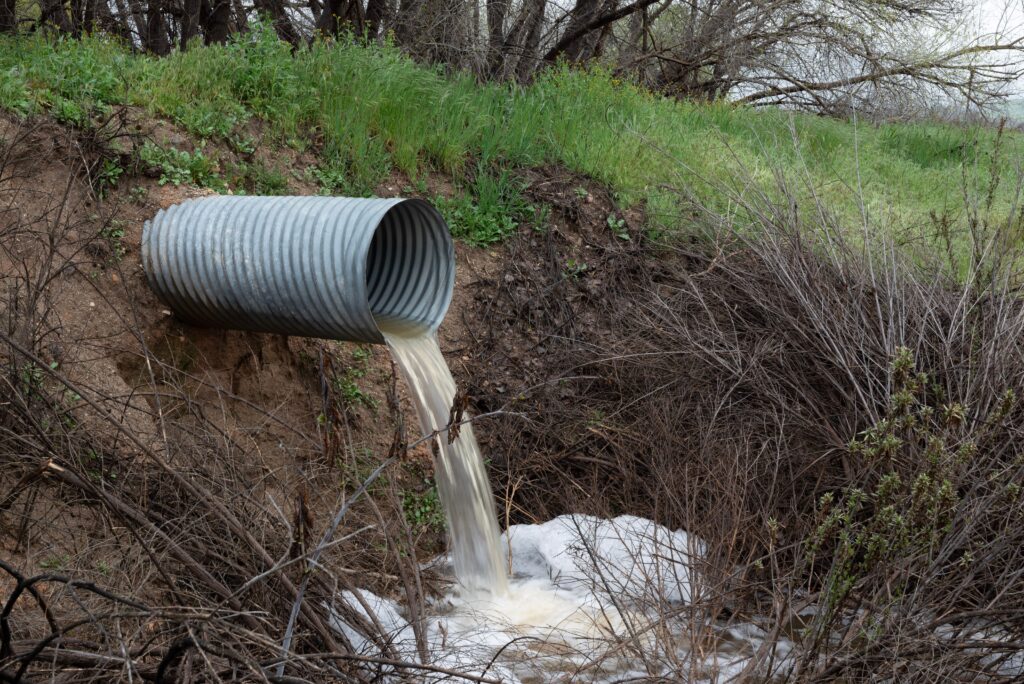
Wastewater is water that has been used in homes, industries, hospitals, schools, and other places. It contains harmful substances, dirt, soaps, oils, chemicals, and microorganisms.
हिंदी व्याख्या
अपशिष्ट जल (Wastewater) वह पानी है जो घरों, उद्योगों, अस्पतालों, विद्यालयों आदि में उपयोग के बाद गंदा हो जाता है। इसमें गंदगी, साबुन, तेल, रसायन तथा सूक्ष्मजीव मौजूद होते हैं।
Meaning of Sewage ( Wastewater Story Class 7 )
English Explanation
Sewage is wastewater containing human waste, food waste, detergents, oils, and other pollutants.
हिंदी व्याख्या
सीवेज (Sewage) वह गंदा पानी है जिसमें मानव मल, भोजन के अवशेष, डिटर्जेंट, तेल तथा अन्य प्रदूषक पदार्थ मिले होते हैं।
Components of Wastewater
Wastewater contains:
| Component | Description |
|---|---|
| Human waste | Urine and feces |
| Food waste | Kitchen leftovers |
| Oils and grease | Cooking waste |
| Chemicals | Detergents and cleaners |
| Microorganisms | Bacteria and germs |
हिंदी
अपशिष्ट जल में मानव मल, मूत्र, भोजन के अवशेष, तेल, चिकनाई, डिटर्जेंट और सूक्ष्मजीव पाए जाते हैं।
Water Freshens Up – An Eventful Journey
English Explanation
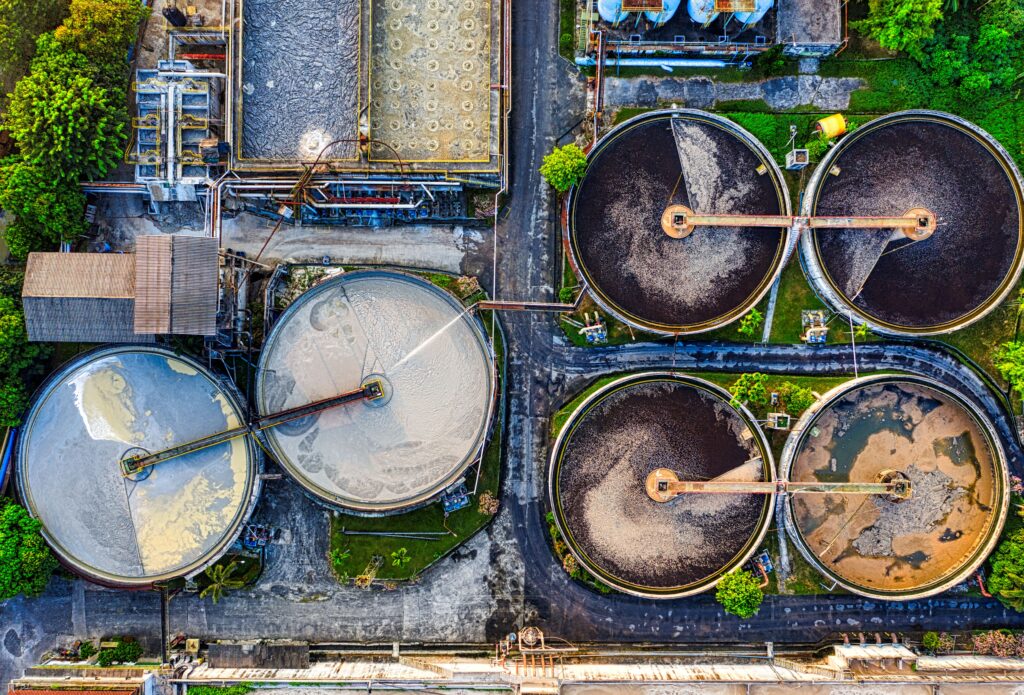
Wastewater travels through drains and reaches a wastewater treatment plant. There, it undergoes various treatment processes to remove impurities.
हिंदी व्याख्या
गंदा पानी नालियों के माध्यम से सीवेज ट्रीटमेंट प्लांट तक पहुँचता है। वहाँ विभिन्न प्रक्रियाओं द्वारा इसकी अशुद्धियाँ दूर की जाती हैं।
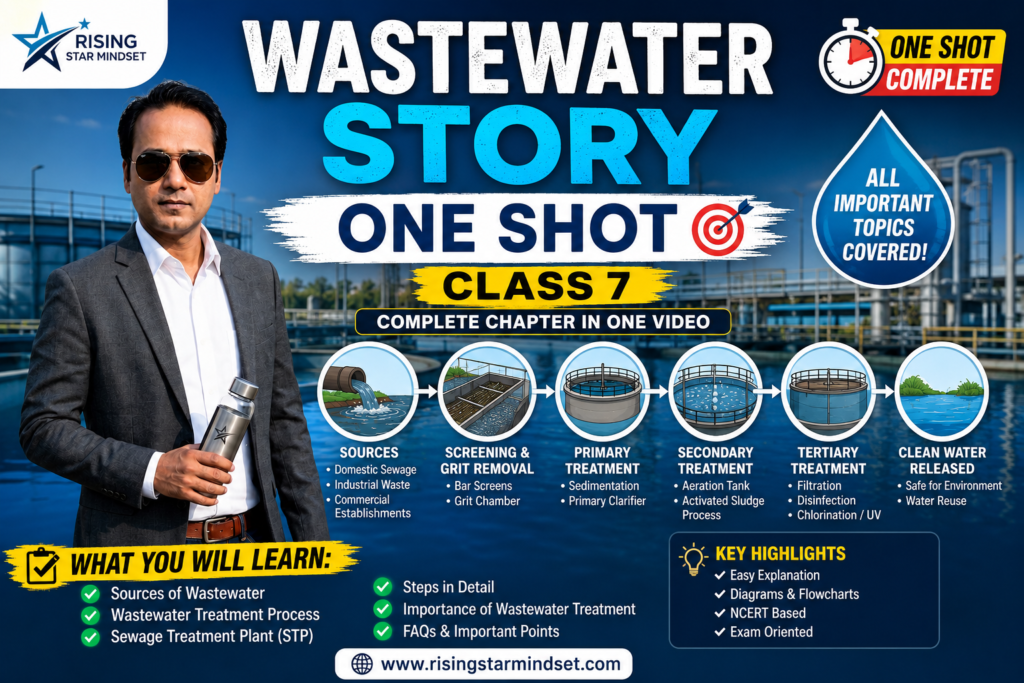
Wastewater Treatment Process
Step 1: Screening
Large objects like plastic bags, sticks, and rags are removed.
हिंदी
प्लास्टिक, कपड़ा और लकड़ी जैसे बड़े कचरे को हटाया जाता है।
Step 2: Grit and Sand Removal
Sand, pebbles, and grit settle down.
हिंदी
रेत, कंकड़ तथा मिट्टी नीचे बैठ जाती है।
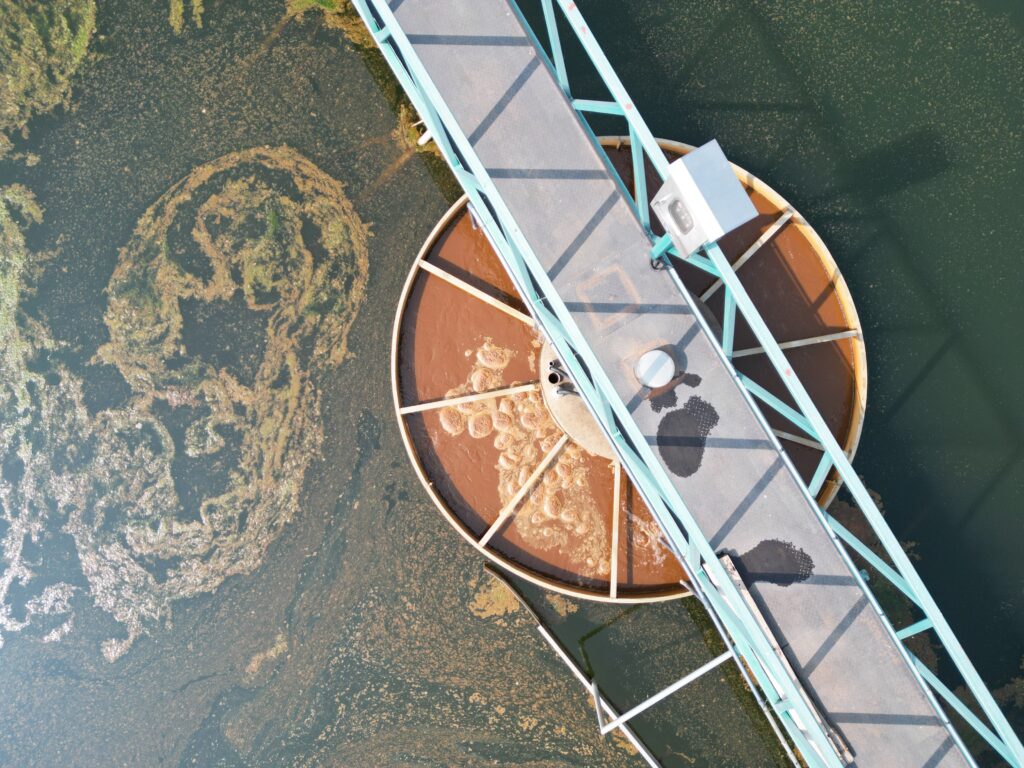
Step 3: Sedimentation
Solid waste settles at the bottom forming sludge.
हिंदी
ठोस पदार्थ नीचे बैठकर स्लज बनाते हैं।
Step 4: Aeration
Air is pumped into the water. Helpful bacteria break down organic matter.
हिंदी
पानी में हवा प्रवाहित की जाती है। लाभकारी जीवाणु जैविक पदार्थों को विघटित करते हैं।
Step 5: Disinfection
Chlorine or ozone kills harmful microorganisms.
हिंदी
क्लोरीन या ओज़ोन से हानिकारक जीवाणुओं को नष्ट किया जाता है।
Sanitation and Disease Prevention
English Explanation
Good sanitation prevents diseases like cholera, typhoid, and dysentery. Therefore, proper sewage disposal is essential.
हिंदी व्याख्या
अच्छी स्वच्छता हैजा, टाइफाइड और पेचिश जैसी बीमारियों से बचाती है। इसलिए सीवेज का उचित निपटान आवश्यक है।
Alternative Arrangements for Sewage Disposal
Septic Tanks
Used in areas without sewer systems.
Composting Toilets
Convert human waste into compost.
Chemical Toilets
Commonly used in trains and temporary camps.
हिंदी
- सेप्टिक टैंक
- कम्पोस्ट शौचालय
- रासायनिक शौचालय
ये सभी सीवेज निपटान के वैकल्पिक उपाय हैं।
Better Housekeeping Practices
Do Not Throw:
- Cooking oil into drains
- Medicines into toilets
- Plastic bags into sewers
- Chemicals into sinks
हिंदी
- नालियों में तेल न डालें।
- शौचालय में दवाइयाँ न फेंकें।
- प्लास्टिक को सीवर में न डालें।
- रसायनों को नालियों में न बहाएँ।
Abbreviations ( Wastewater Story Class 7 )
| Abbreviation | Full Form |
|---|---|
| WWTP | Wastewater Treatment Plant |
| STP | Sewage Treatment Plant |
| WHO | World Health Organization |
| NGO | Non-Governmental Organization |
| BOD | Biochemical Oxygen Demand |
Key Points
- Wastewater is used and polluted water.
- Sewage contains harmful impurities.
- Wastewater must be treated before disposal.
- Screening removes large objects.
- Aeration helps bacteria clean water.
- Chlorination kills germs.
- Sanitation prevents diseases.
- Open drains can spread infections.
- Septic tanks are useful in rural areas.
- Clean water is essential for good health.
Important Questions and Answers
Q1. What is wastewater?
Answer
Wastewater is water that becomes dirty after use in homes, industries, hospitals, and schools.
हिंदी
उपयोग के बाद गंदा हो जाने वाला पानी अपशिष्ट जल कहलाता है।
Q2. What is sewage?
Answer
Sewage is wastewater containing human waste and other impurities.
हिंदी
मानव मल और अन्य अशुद्धियों से युक्त अपशिष्ट जल को सीवेज कहते हैं।
Q3. Why is wastewater treatment necessary?
Answer
It removes pollutants and prevents water pollution and diseases.
हिंदी
यह प्रदूषण और बीमारियों को रोकता है।
Q4. What is sludge?
Answer
The solid material that settles at the bottom during sedimentation is called sludge.
हिंदी
अवसादन के दौरान नीचे बैठने वाला ठोस पदार्थ स्लज कहलाता है।
Q5. Name two diseases caused by poor sanitation.
Answer
Cholera and typhoid.
हिंदी
हैजा और टाइफाइड।
MCQs
1. Wastewater is:
A. Pure water
B. Drinking water
C. Used and polluted water
D. Rainwater
Answer: C
2. Sewage contains:
A. Only water
B. Only food particles
C. Human waste and impurities
D. Pure oxygen
Answer: C
3. Large objects are removed by:
A. Aeration
B. Screening
C. Sedimentation
D. Chlorination
Answer: B
4. Helpful bacteria work during:
A. Screening
B. Chlorination
C. Aeration
D. Filtration
Answer: C
5. Chlorination is used for:
A. Removing sand
B. Removing sludge
C. Killing germs
D. Removing plastic
Answer: C
6. Septic tanks are mainly used where:
A. Airports
B. Sewer systems are absent
C. Rivers
D. Industries
Answer: B
7. Which disease is caused by poor sanitation?
A. Malaria
B. Cholera
C. Scurvy
D. Rickets
Answer: B
8. Sludge is formed during:
A. Aeration
B. Sedimentation
C. Screening
D. Chlorination
Answer: B
9. Wastewater treatment helps in:
A. Pollution increase
B. Water conservation
C. Soil erosion
D. Deforestation
Answer: B
10. Open drains can spread:
A. Fresh air
B. Fertilizers
C. Diseases
D. Minerals
Answer: C
HOTS Questions
Q1. Why should wastewater not be released directly into rivers?
Answer: Because it contains pollutants and disease-causing microorganisms that can harm aquatic life and human health.
Q2. How does proper sanitation improve community health?
Answer: Proper sanitation prevents contamination of water sources and reduces the spread of diseases.
Q3. What problems may arise if sewage treatment plants stop functioning?
Answer: Water pollution, foul smell, disease outbreaks, and environmental damage may occur.
Q4. Why are bacteria called “friends” in wastewater treatment?
Answer: Because they decompose organic waste and help clean wastewater naturally.
Q5. Suggest two methods to reduce wastewater pollution at home.
Answer:
- Do not pour oils and chemicals into drains.
- Use water carefully and avoid wastage.
FAQs
1. What is wastewater?
Wastewater is used water containing impurities and pollutants.
2. What is sewage treatment?
It is the process of removing impurities from wastewater before releasing it into the environment.
3. What is sludge?
Sludge is the solid waste that settles at the bottom of treatment tanks.
4. Why is sanitation important?
Sanitation helps prevent diseases and keeps the environment clean.
5. What is a septic tank?
A septic tank is an underground structure used for sewage disposal where sewer systems are unavailable.
6. Which chapter is Wastewater Story in Class 7?
Wastewater Story is Chapter 18 of NCERT Science Class 7.
Conclusion
Wastewater treatment is essential for maintaining public health and protecting the environment. Moreover, proper sanitation practices reduce disease transmission and ensure safe water for future generations. Therefore, every citizen should contribute to water conservation and responsible waste disposal for a cleaner and healthier society.
Keep Learning, Keep Growing! 🚀
P Kumar | Rising Star Mindset
www.risingstarmindset.com
Together We Will Make The Difference
Fahhhh
Complete ✅✅✅💯💯