

World Menopause Day 2026: Chronic Pain at Midlife — Symptoms, Support & Awareness

World Menopause Day 2026 is observed on 18 October to encourage open conversations about menopause, improve awareness and help women access appropriate support. This year, the International Menopause Society highlights “Chronic Pain at Midlife”, bringing attention to pain that may occur during the menopause transition and the importance of proper assessment and care.
Menopause is a natural stage of life, but the symptoms associated with it can affect sleep, movement, concentration, work and everyday comfort. Some women experience joint or muscle pain, headaches or other persistent pain, while others experience few or no symptoms. Every woman’s experience is different. Source: International Menopause Society
This World Menopause Day, the message is simple: listen to women’s experiences, take persistent pain seriously and make reliable health information easier to access.
Previous Post : World Poverty Day 2026: Safe Homes for a Better Future
Quick Facts: World Menopause Day 2026
| Detail | Information |
| Observance | World Menopause Day |
| Date | 18 October 2026 |
| 2026 theme | Chronic Pain at Midlife |
| Main purpose | Menopause awareness, education and access to appropriate care |
| Who can help? | Women, families, healthcare professionals and employers |
1. What Is Menopause, and Why Does Awareness Matter?
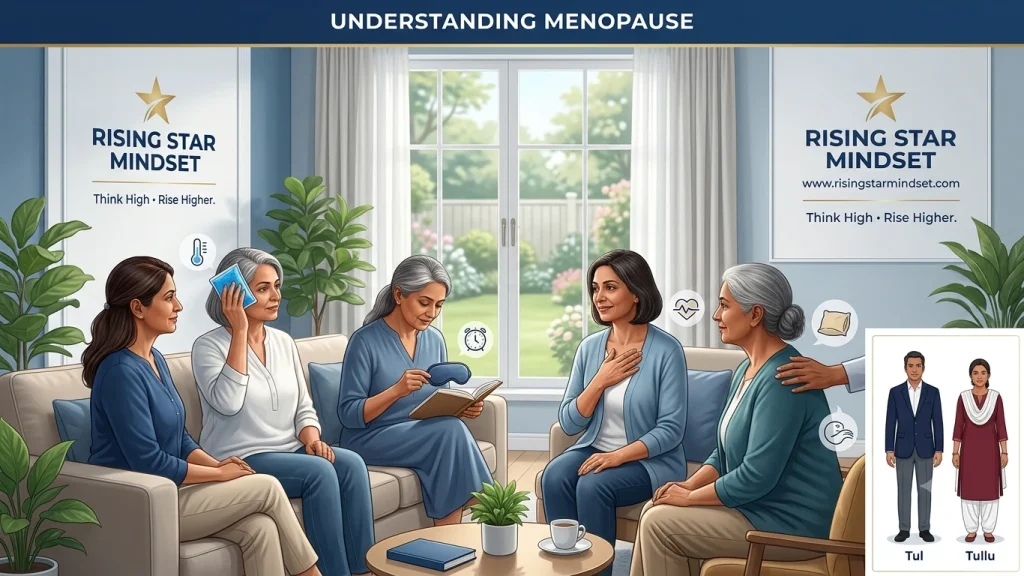
Menopause is the stage when menstrual periods have permanently stopped because of changes in ovarian function. It is generally identified after 12 consecutive months without a menstrual period, when no other cause explains the absence of periods.
The transition leading up to menopause is called perimenopause. During this time, hormonal changes may contribute to symptoms such as hot flushes, night sweats, sleep difficulties, mood changes and changes in menstrual patterns.
Menopause commonly occurs between the ages of 45 and 55, but the timing and experience can vary. Menopause may also occur earlier for some women because of medical treatment or other health circumstances. Source: UNFPA
Awareness matters because women should not feel embarrassed to discuss symptoms or believe they must tolerate every discomfort without support.
2. This Year’s Focus: Chronic Pain at Midlife
The 2026 theme draws attention to chronic pain around midlife and its relationship with menopause. Persistent pain can affect a person’s ability to sleep, exercise, work and take part in family or social activities.
Some women report joint stiffness, muscle aches, headaches or widespread discomfort during the menopause transition. However, not every pain experienced at midlife is caused by menopause. Conditions affecting joints, muscles, nerves or other parts of the body may also be responsible.
For that reason, ongoing or worsening pain deserves proper medical evaluation rather than being automatically attributed to hormonal changes. The International Menopause Society calls for better recognition, evidence-based care and further research into pain during midlife. Source: International Menopause Society
Signs That Deserve Attention ( World Menopause Day 2026)

| Experience | A sensible next step |
| Persistent joint or muscle pain | Discuss its duration and effect on daily activities with a healthcare professional. |
| Sleep disturbed by pain or night sweats | Ask about possible causes and suitable management options. |
| Pain that affects walking, work or routine tasks | Arrange a medical assessment rather than ignoring it. |
| New, severe or rapidly worsening pain | Seek prompt medical care. |
| Pain with chest pressure, breathing difficulty, fainting or sudden weakness | Seek emergency medical help. |
This table is for awareness, not diagnosis. The appropriate next step depends on the symptoms and the individual’s medical circumstances.
3. English Explanation: Why Menopause Should Be Discussed Openly ( World Menopause Day 2026 )
Menopause is not an illness in itself; it is a natural stage of life. Nevertheless, symptoms can sometimes be challenging and may require professional support.
When conversations about menopause are avoided, women may struggle to understand what is happening to their bodies. They may also delay seeking help for symptoms that interfere with everyday life.
Families can help by listening without judgment. Workplaces can help by providing respectful conversations, reasonable support where possible and access to reliable health information. Healthcare professionals can help by considering each woman’s symptoms, medical history and individual needs.
The key lesson: Menopause awareness is not simply about knowing the symptoms. It is about ensuring that women are heard, respected and supported at every stage of life.
4. हिंदी में समझें: World Menopause Day 2026 क्यों महत्वपूर्ण है?
विश्व मेनोपॉज़ दिवस 2026 हर साल 18 अक्टूबर को मनाया जाता है। इसका उद्देश्य मेनोपॉज़ के बारे में सही जानकारी फैलाना, महिलाओं की स्वास्थ्य संबंधी समस्याओं को समझना और उन्हें उचित सहायता लेने के लिए प्रोत्साहित करना है।
मेनोपॉज़ महिलाओं के जीवन का एक प्राकृतिक चरण है। आमतौर पर यह 45 से 55 वर्ष की उम्र के बीच होता है, लेकिन हर महिला का अनुभव अलग हो सकता है।
इस दौरान कुछ महिलाओं को गर्मी लगना, रात में पसीना आना, नींद में परेशानी, मूड में बदलाव, जोड़ों में दर्द या मांसपेशियों में तकलीफ महसूस हो सकती है। वहीं, कुछ महिलाओं में बहुत कम लक्षण दिखाई देते हैं।
इस वर्ष की थीम का हिंदी अर्थ ( World Menopause Day 2026 )
“Chronic Pain at Midlife” — मध्य आयु में लंबे समय तक रहने वाला दर्द।

इस थीम का उद्देश्य ऐसे दर्द पर ध्यान देना है जो महिलाओं की नींद, कामकाज, चलने-फिरने और दैनिक जीवन को प्रभावित कर सकता है।
हालाँकि, हर दर्द को मेनोपॉज़ का परिणाम मानना सही नहीं है। लगातार रहने वाले दर्द के अन्य कारण भी हो सकते हैं। इसलिए डॉक्टर से उचित सलाह लेना महत्वपूर्ण है।
परिवार और समाज क्या कर सकते हैं?
- महिलाओं की बात ध्यान से सुनें और उनकी तकलीफ को नज़रअंदाज़ न करें।
- मेनोपॉज़ को लेकर शर्म या गलत धारणाएँ फैलाने से बचें।
- लक्षण दैनिक जीवन को प्रभावित कर रहे हों तो चिकित्सा सलाह लेने के लिए प्रोत्साहित करें।
- सोशल मीडिया पर अप्रमाणित घरेलू नुस्खों या इलाज के दावों को बिना जाँच साझा न करें।
- कार्यस्थलों पर ऐसा वातावरण बनाएँ जहाँ महिलाएँ स्वास्थ्य संबंधी जरूरतों पर सम्मानपूर्वक बात कर सकें।
याद रखें: मेनोपॉज़ कमजोरी का संकेत नहीं है। सही जानकारी, समझ और उचित स्वास्थ्य सहायता महिलाओं को बेहतर जीवन जीने में मदद कर सकती है।
5. Five Practical Ways to Support Menopause Awareness

Awareness becomes meaningful when it leads to small, practical changes.
1. Start a respectful conversation.
Talk about menopause without embarrassment, jokes or judgment.
2. Take persistent pain seriously.
Encourage medical assessment when pain continues, worsens or interferes with daily life.
3. Choose reliable information.
Use trusted medical and public-health resources instead of relying on unverified online claims.
4. Support women at work and at home.
Listen to their concerns and discuss practical adjustments when symptoms affect daily responsibilities.
5. Share awareness responsibly.
Use World Menopause Day to promote understanding, not to diagnose others or recommend treatments without professional guidance.
6. What Students and Young Adults Can Learn ( World Menopause Day 2026 )
Menopause awareness is relevant to younger generations, too. Understanding women’s health can help students develop empathy, challenge stereotypes and communicate respectfully with family members and colleagues.
Young adults can contribute by learning from reliable sources, avoiding jokes about age-related health changes and supporting open discussions about health and well-being.
A more informed generation can help create families, communities and workplaces where women do not have to hide their health concerns.
7. Frequently Asked Questions (FAQs)
When is World Menopause Day 2026?
World Menopause Day is observed on 18 October 2026.
What is the theme of World Menopause Day 2026?
The International Menopause Society’s theme for 2026 is “Chronic Pain at Midlife.”
What is menopause?
Menopause is the stage when menstrual periods have permanently stopped because of changes in ovarian function. It is generally identified after 12 consecutive months without a period, when there is no other explanation.
Can menopause cause joint or muscle pain?
Some women report joint or muscle pain during the menopause transition. However, pain can have many causes, so persistent or worsening symptoms should be assessed by a healthcare professional.
Is menopause the same for every woman?
No. Symptoms, their intensity and their duration vary from person to person. Some women experience significant symptoms, while others experience few or none.
How can families support women experiencing menopause?
Families can listen without judgment, learn about menopause, respect women’s experiences and encourage appropriate medical care when needed.

Conclusion: Listen, Understand and Support
World Menopause Day 2026 reminds us that women’s health deserves attention at every stage of life. This year’s focus on chronic pain at midlife encourages better understanding of persistent pain, more informed conversations and access to appropriate care.
Menopause should not be surrounded by silence or shame. By sharing reliable information, listening to women’s experiences and seeking medical advice when necessary, we can help create a more informed and supportive society.
A healthier future begins when every woman’s experience is heard and respected.
Trusted Sources for Further Reading
- International Menopause Society — World Menopause Day 2026
- UNFPA — World Menopause Day
- Australian Government — Menopause and Perimenopause Information
Disclaimer: This article is for general educational awareness only. It does not replace an individual medical assessment, diagnosis or treatment.
Rising Star Mindset — Think High • Rise Higher.
🌐 Website: www.risingstarmindset.com