

Constitution Making, Preamble and Fundamental Rights
Polity Series Part 16 (BPSC Special)
भारत के संविधान का निर्माण, प्रस्तावना (Preamble) तथा मौलिक अधिकार (Fundamental Rights) भारतीय राजव्यवस्था के सबसे महत्वपूर्ण विषयों में से हैं। BPSC, UPSC, SSC, Railway तथा अन्य प्रतियोगी परीक्षाओं में इनसे नियमित रूप से प्रश्न पूछे जाते हैं। इसलिए इस अध्याय की गहरी समझ आवश्यक है। ( Preamble and Fundamental Rights )

Table of Contents
- Introduction
- Important Abbreviations
- Constitution Making Process
- Constituent Assembly
- Preamble of the Constitution
- Fundamental Rights
- Articles Related to Fundamental Rights
- Key Points for BPSC
- Important Questions and Answers
- MCQs
- HOTS Questions
- FAQs
- Conclusion
Important Abbreviations ( Preamble and Fundamental Rights )
| Abbreviation | Full Form |
|---|---|
| CA | Constituent Assembly |
| FR | Fundamental Rights |
| DPSP | Directive Principles of State Policy |
| SC | Supreme Court |
| HC | High Court |
| Preamble | Introduction of Constitution |
| IC | Indian Constitution |
Introduction
The Constitution of India is the supreme law of the country. It defines the structure of government, powers of institutions and rights of citizens.
भारत का संविधान देश का सर्वोच्च कानून है। यह सरकार की संरचना, संस्थाओं की शक्तियों तथा नागरिकों के अधिकारों को निर्धारित करता है।
Constitution Making Process
संविधान निर्माण की प्रक्रिया
English Explanation
The idea of a Constituent Assembly was first proposed by M. N. Roy in 1934. Later, the demand gained support from the Indian National Congress.
The Constituent Assembly was formed in November 1946. Its first meeting was held on 9 December 1946.
Hindi Explanation
संविधान सभा का विचार सबसे पहले 1934 में एम. एन. रॉय ने प्रस्तुत किया था। बाद में भारतीय राष्ट्रीय कांग्रेस ने इसका समर्थन किया।
संविधान सभा का गठन नवंबर 1946 में हुआ तथा इसकी पहली बैठक 9 दिसंबर 1946 को हुई।
Important Facts About Constituent Assembly
| Fact | Details |
|---|---|
| Total Members | 389 |
| After Partition | 299 |
| First Meeting | 9 December 1946 |
| Temporary Chairman | Dr. Sachchidananda Sinha |
| Permanent Chairman | Dr. Rajendra Prasad |
| Drafting Committee Chairman | Dr. B. R. Ambedkar |
| Constitution Adopted | 26 November 1949 |
| Constitution Enforced | 26 January 1950 |
Preamble of the Constitution
संविधान की प्रस्तावना
English Explanation
The Preamble is the introduction to the Constitution. It reflects the philosophy and objectives of the Constitution.
The words “Socialist”, “Secular” and “Integrity” were added through the 42nd Constitutional Amendment Act, 1976.
Hindi Explanation
प्रस्तावना संविधान की भूमिका है। यह संविधान के उद्देश्यों तथा आदर्शों को दर्शाती है।
“समाजवादी”, “पंथनिरपेक्ष” तथा “अखंडता” शब्द 42वें संविधान संशोधन अधिनियम, 1976 द्वारा जोड़े गए थे।
Keywords in Preamble
| Term | Meaning |
|---|---|
| Sovereign | स्वतंत्र |
| Socialist | समाजवादी |
| Secular | पंथनिरपेक्ष |
| Democratic | लोकतांत्रिक |
| Republic | गणराज्य |
| Justice | न्याय |
| Liberty | स्वतंत्रता |
| Equality | समानता |
| Fraternity | बंधुत्व |
Fundamental Rights
मौलिक अधिकार
English Explanation
Fundamental Rights are guaranteed by Part III of the Constitution. They protect individual liberty and ensure equality.
Hindi Explanation
मौलिक अधिकार संविधान के भाग III में वर्णित हैं। ये नागरिकों की स्वतंत्रता तथा समानता की रक्षा करते हैं।
Six Fundamental Rights
| Right | Articles |
|---|---|
| Right to Equality | 14-18 |
| Right to Freedom | 19-22 |
| Right Against Exploitation | 23-24 |
| Right to Freedom of Religion | 25-28 |
| Cultural and Educational Rights | 29-30 |
| Right to Constitutional Remedies | 32 |
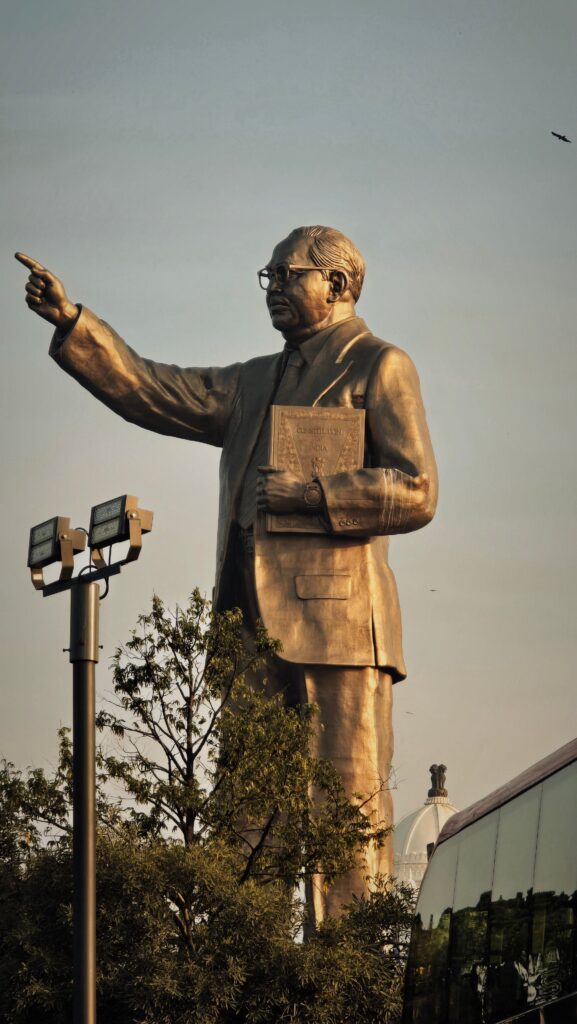
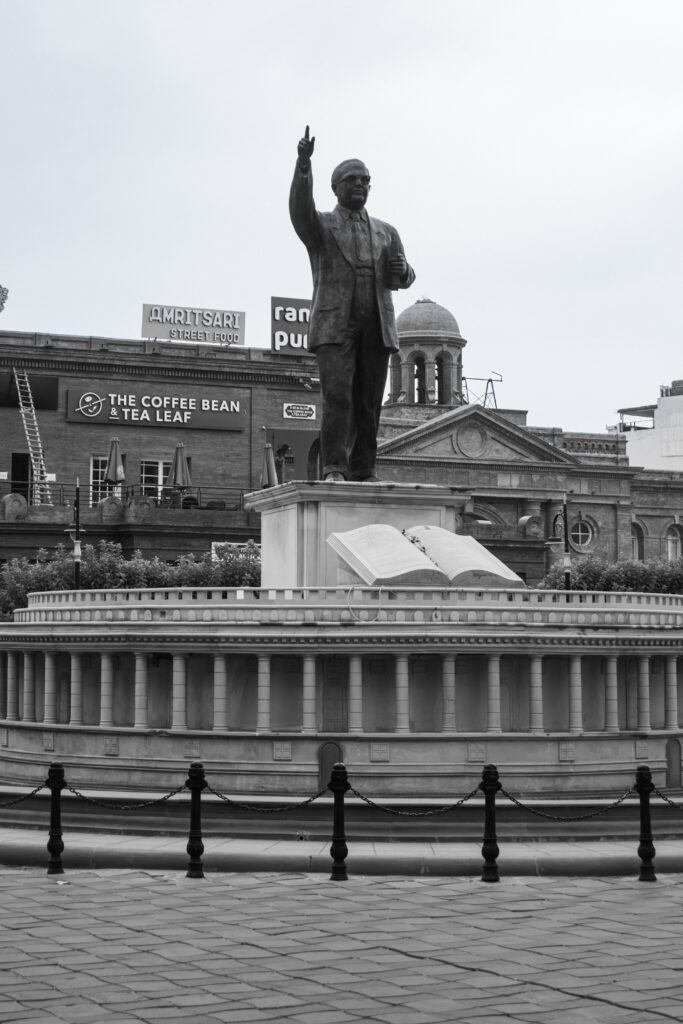
Dr. Ambedkar on Article 32
Article 32 is known as the “Heart and Soul of the Constitution”.
डॉ. भीमराव अंबेडकर ने अनुच्छेद 32 को संविधान की “आत्मा और हृदय” कहा था।
Constitutional Writs
| Writ | Meaning |
|---|---|
| Habeas Corpus | बंदी को प्रस्तुत करो |
| Mandamus | परमादेश |
| Prohibition | प्रतिषेध |
| Certiorari | अभिलेख मंगाना |
| Quo Warranto | अधिकार पृच्छा |
Key Points for BPSC
| संविधान सभा का गठन 1946 में हुआ। |
| संविधान सभा के अध्यक्ष डॉ. राजेंद्र प्रसाद थे। |
| प्रारूप समिति के अध्यक्ष डॉ. बी. आर. अंबेडकर थे। |
| संविधान 26 नवंबर 1949 को अंगीकृत किया गया। |
| संविधान 26 जनवरी 1950 को लागू हुआ। |
| प्रस्तावना संविधान का परिचय पत्र है। |
| मौलिक अधिकार भाग III में दिए गए हैं। |
| अनुच्छेद 32 को संविधान की आत्मा कहा जाता है। |
| समानता का अधिकार अनुच्छेद 14 से 18 तक है। |
| स्वतंत्रता का अधिकार अनुच्छेद 19 से 22 तक है। |
Important Questions and Answers
Q1. Constituent Assembly was formed in which year?
Answer: 1946
Q2. Who was the Chairman of the Drafting Committee?
Answer: Dr. B. R. Ambedkar
Q3. When was the Constitution adopted?
Answer: 26 November 1949
Q4. Which Article is called the Heart and Soul of the Constitution?
Answer: Article 32
Q5. How many Fundamental Rights are currently available?
Answer: Six
Q6. Which amendment added Socialist and Secular words?
Answer: 42nd Constitutional Amendment Act, 1976
MCQs for BPSC
1. Who was the Chairman of the Drafting Committee?
A. Jawaharlal Nehru
B. Sardar Patel
C. Dr. B. R. Ambedkar
D. Rajendra Prasad
Answer: C
2. Constitution of India came into force on:
A. 15 August 1947
B. 26 January 1950
C. 26 November 1949
D. 9 December 1946
Answer: B
3. Fundamental Rights are mentioned in:
A. Part II
B. Part III
C. Part IV
D. Part IVA
Answer: B
4. Which Article guarantees Right to Equality?
A. Article 14
B. Article 19
C. Article 21
D. Article 32
Answer: A
5. Which writ means “Produce the Body”?
A. Mandamus
B. Certiorari
C. Habeas Corpus
D. Quo Warranto
Answer: C
6. The Preamble was amended by:
A. 24th Amendment
B. 42nd Amendment
C. 44th Amendment
D. 52nd Amendment
Answer: B
7. The first meeting of Constituent Assembly was held on:
A. 26 January 1950
B. 15 August 1947
C. 9 December 1946
D. 26 November 1949
Answer: C
8. Temporary Chairman of Constituent Assembly was:
A. Rajendra Prasad
B. Sachchidananda Sinha
C. Nehru
D. Ambedkar
Answer: B
HOTS Questions
Q1.
Why is the Preamble called the key to the Constitution?
Answer:
Because it explains the philosophy, objectives and ideals of the Constitution.
Q2.
Why is Article 32 considered important?
Answer:
It empowers citizens to directly approach the Supreme Court for the protection of Fundamental Rights.
Q3.
Can Parliament amend the Preamble?
Answer:
Yes. The Supreme Court in the Kesavananda Bharati case held that the Preamble can be amended, but the basic structure cannot be destroyed.
Q4.
Why are Fundamental Rights necessary in a democracy?
Answer:
They protect citizens from arbitrary actions and ensure liberty, equality and justice.
Frequently Asked Questions (FAQs)
1. Who is known as the Father of the Indian Constitution?
Dr. B. R. Ambedkar.
2. How much time did the Constituent Assembly take?
2 years, 11 months and 18 days.
3. Which Part contains Fundamental Rights?
Part III.
4. Which Article abolishes untouchability?
Article 17.
5. Which Fundamental Right was removed?
Right to Property was removed by the 44th Constitutional Amendment Act, 1978.
6. Which Article provides constitutional remedies?
Article 32.
7. How many words were added to the Preamble in 1976?
Three words: Socialist, Secular and Integrity.
One Revision Notes for BPSC
- Constitution Assembly → 1946
- First Meeting → 9 Dec 1946
- Chairman → Dr. Rajendra Prasad
- Drafting Committee Chairman → Dr. B. R. Ambedkar
- Adopted → 26 Nov 1949
- Enforced → 26 Jan 1950
- Fundamental Rights → Part III
- Article 32 → Heart and Soul
- Equality → Articles 14-18
- Freedom → Articles 19-22
- Untouchability → Article 17
- Preamble amended → 42nd Amendment (1976)
Conclusion
Constitution Making, Preamble and Fundamental Rights form the foundation of Indian Polity. Therefore, BPSC aspirants should thoroughly study these topics because questions are frequently asked from them. Moreover, understanding the Articles, important dates and constitutional provisions will significantly improve performance in both Prelims and Mains examinations.
Next Topic (Polity Series Part 17)
Directive Principles of State Policy (DPSP) and Fundamental Duties 🚀
Previous Topic: Industries Minerals and Transport Complete Notes for BPSC
Current Topic: Constitution Making, Preamble and Fundamental Rights
Next Topic: DPSP and Fundamental Duties (Polity Series Part 17)
Keep Learning, Keep Growing! 🚀
P Kumar | Rising Star Mindset
www.risingstarmindset.com
Together We Will Make The Difference
1 thought on “BPSC Polity: Most Important Preamble and Fundamental Rights”