
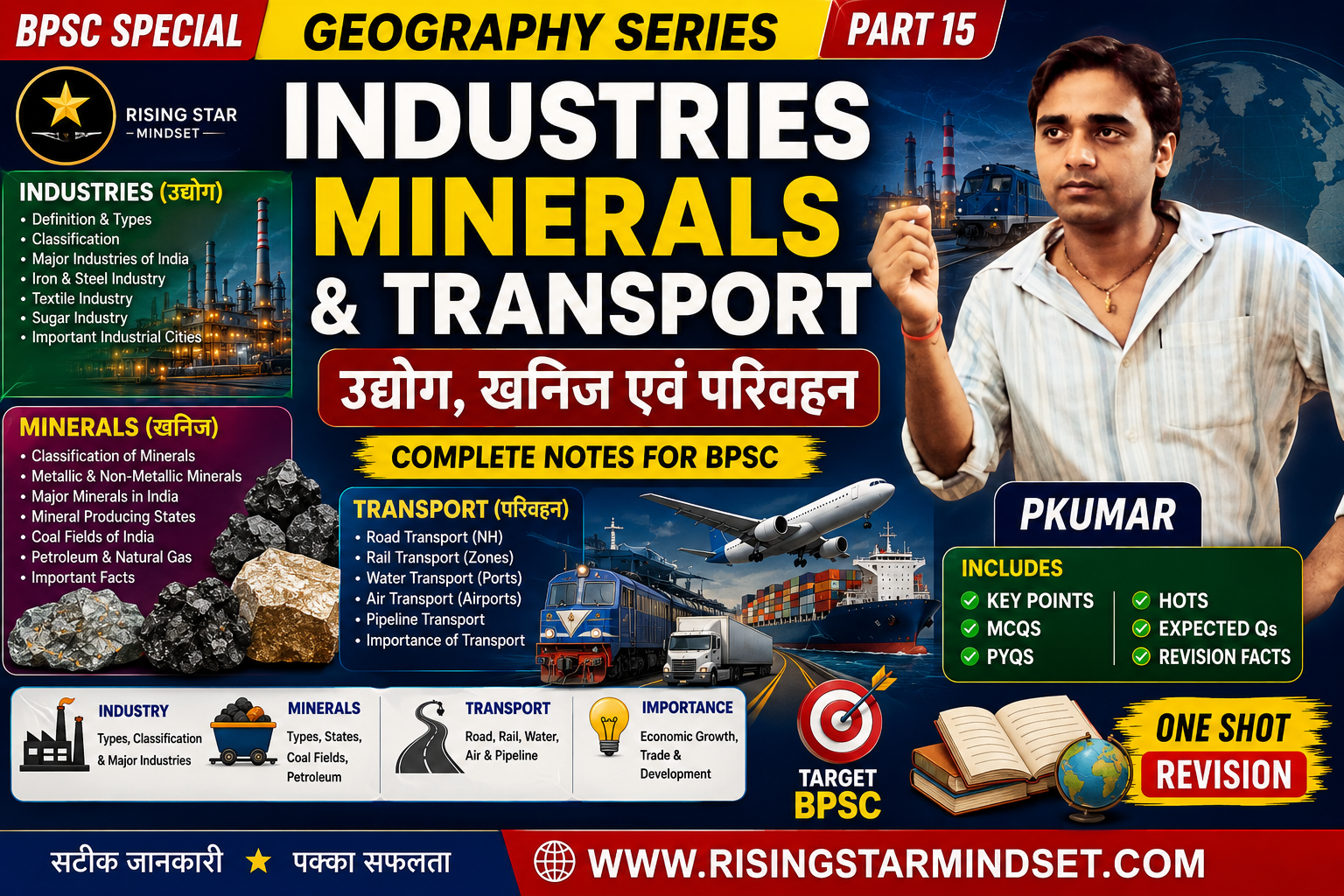
Geography Series – Part 15 ( Industries Minerals and Transport )
Series Name: Geography Series ( Industries Minerals and Transport )
Part No.: 14
Previous Topic: Indian Rivers, Soil & Agriculture
Current Topic: Industries Minerals and Transport
Next Topic: BPSC Polity.
Industries, Minerals & Transport (उद्योग, खनिज एवं परिवहन)
Table of Contents
- Introduction
- Industries (उद्योग)
- Classification of Industries
- Major Industries of India
- Minerals (खनिज)
- Classification of Minerals
- Major Mineral Producing States
- Transport (परिवहन)
- Road Transport
- Rail Transport
- Water Transport
- Air Transport
- Pipelines
- Key Points
- Abbreviations
- BPSC PYQs
- Important MCQs
- HOTS Questions
- Expected Questions
- Conclusion
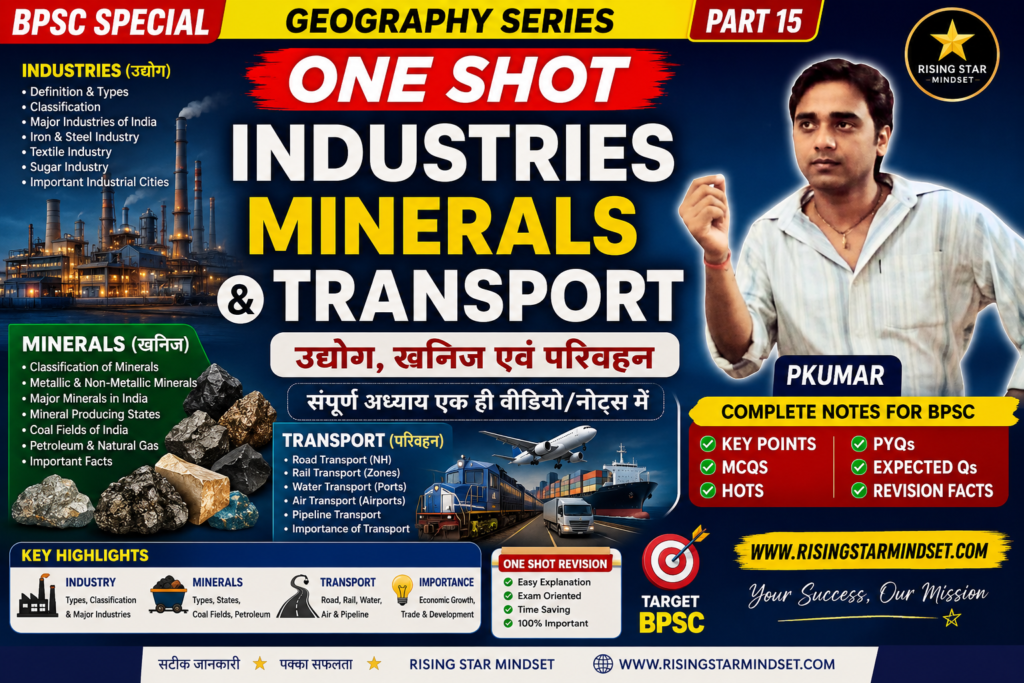
Introduction (परिचय) ( Industries Minerals and Transport )
English
Industries, minerals and transport are important parts of geography. They support economic development. Minerals provide raw materials. Industries produce useful goods. Transport helps move goods and people. Therefore, these topics are very important for BPSC preparation.
हिंदी
उद्योग, खनिज एवं परिवहन आर्थिक विकास की रीढ़ हैं। खनिज कच्चा माल प्रदान करते हैं, उद्योग उन्हें उपयोगी वस्तुओं में बदलते हैं तथा परिवहन उनके वितरण में सहायता करता है।
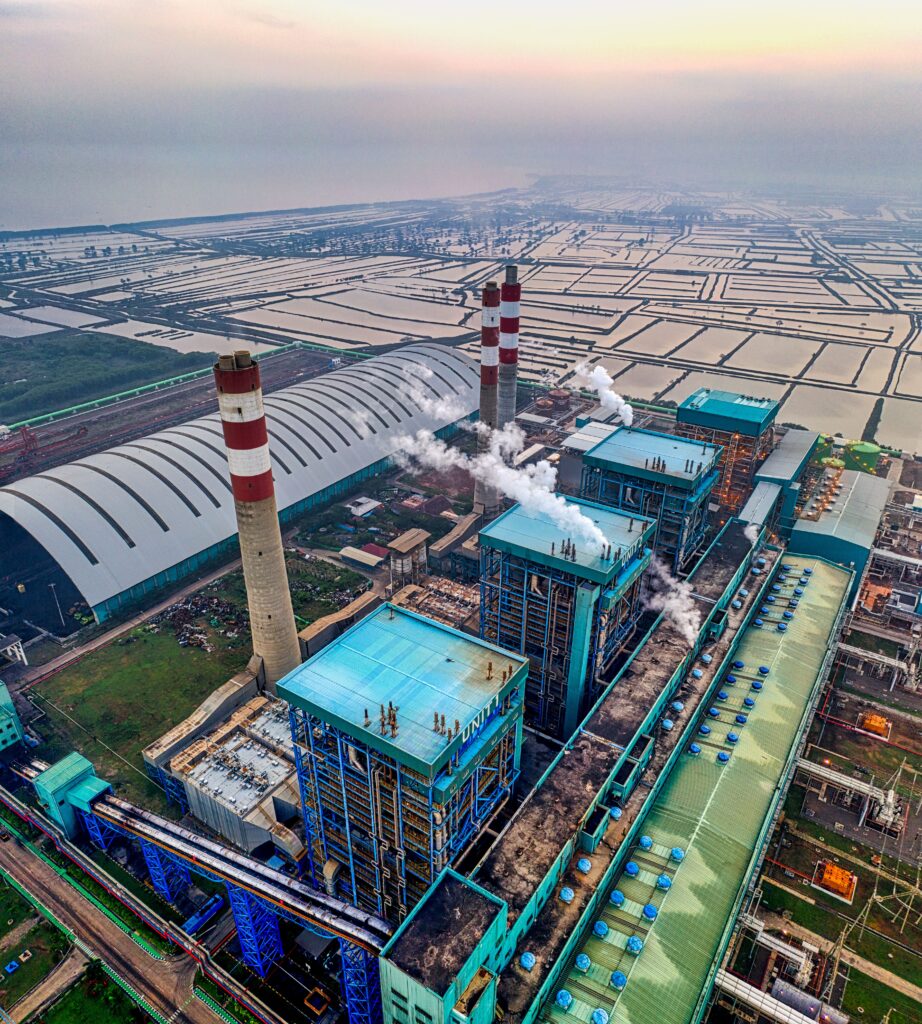
1. Industries (उद्योग)
Firstly, let us understand the concept of industries.
Definition
English
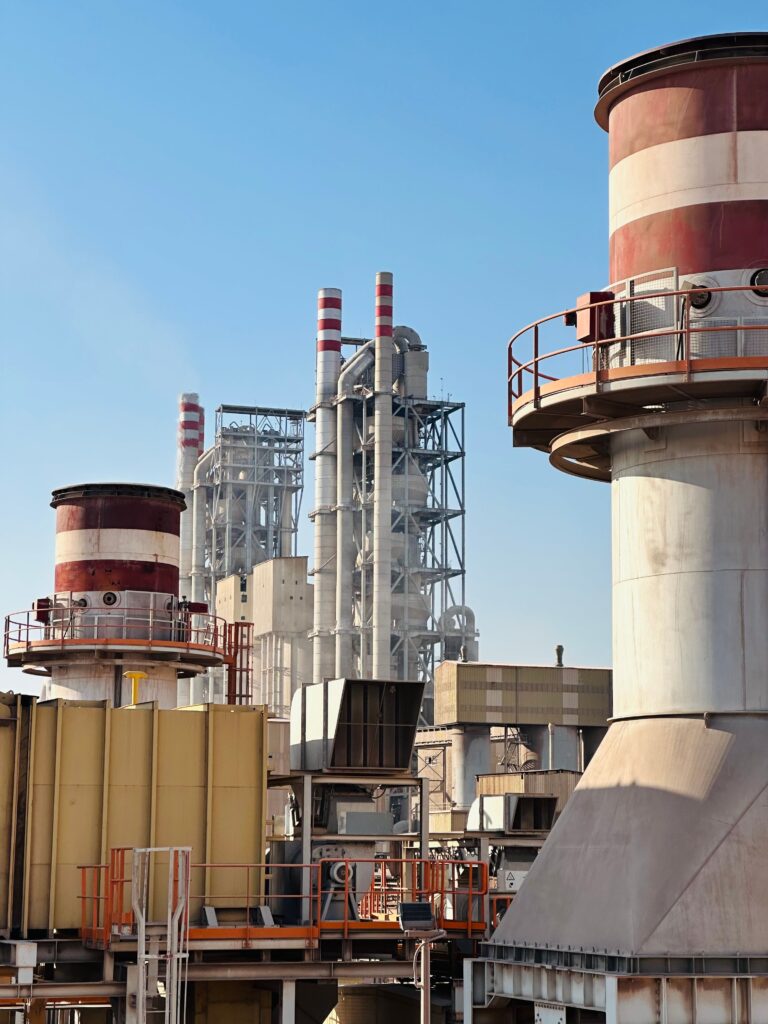
An industry converts raw materials into finished goods. It creates products for consumers.
हिंदी
उद्योग वह आर्थिक गतिविधि है जिसमें कच्चे माल को तैयार वस्तुओं में परिवर्तित किया जाता है।
Classification of Industries (उद्योगों का वर्गीकरण)
A. Based on Raw Material
| Industry | Example |
|---|---|
| Agro-based | Sugar, Cotton |
| Mineral-based | Iron & Steel |
| Marine-based | Fish Processing |
| Forest-based | Paper Industry |
हिंदी
- कृषि आधारित उद्योग – चीनी, सूती वस्त्र
- खनिज आधारित उद्योग – लौह एवं इस्पात
- समुद्री आधारित उद्योग – मत्स्य उद्योग
- वन आधारित उद्योग – कागज उद्योग
B. Based on Ownership
| Type | Example |
|---|---|
| Public Sector | SAIL |
| Private Sector | Tata Steel |
| Joint Sector | Maruti Suzuki |
| Cooperative | Amul |
Major Industries of India ( Industries Minerals and Transport )
Iron and Steel Industry
Important Centers
- Jamshedpur (Jharkhand)
- Bokaro (Jharkhand)
- Bhilai (Chhattisgarh)
- Rourkela (Odisha)
- Durgapur (West Bengal)
BPSC Fact
Jamshedpur is known as the “Steel City of India.”
Cotton Textile Industry
Major Centers
- Mumbai
- Ahmedabad
- Surat
- Coimbatore
Fact
Ahmedabad is called the “Manchester of India.”
Sugar Industry
Leading States
- Uttar Pradesh
- Maharashtra
- Karnataka
2. Minerals (खनिज)
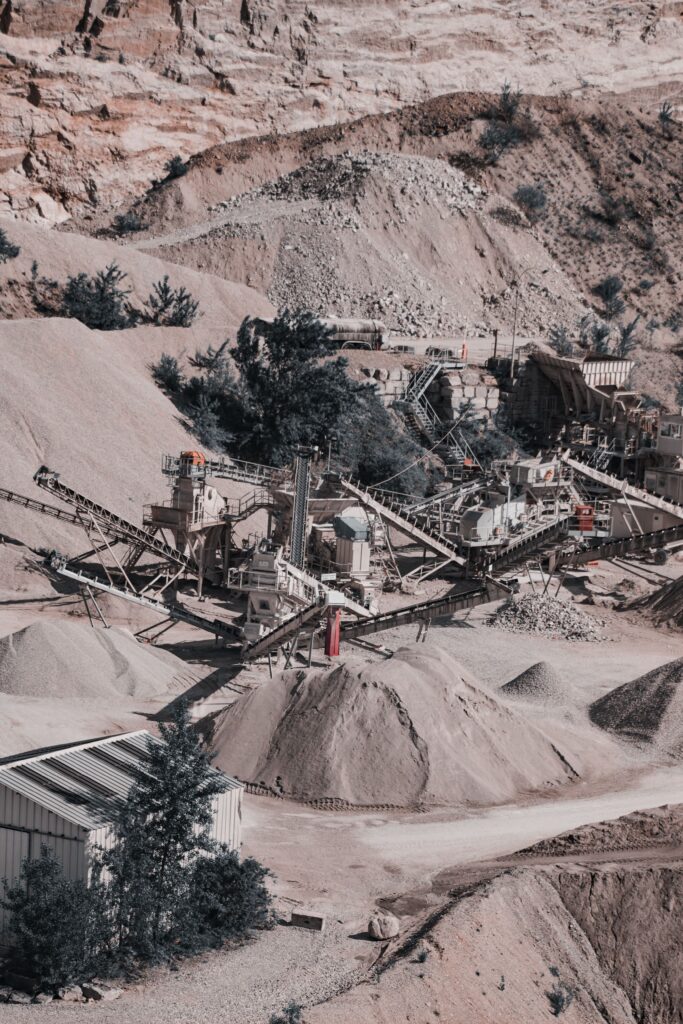
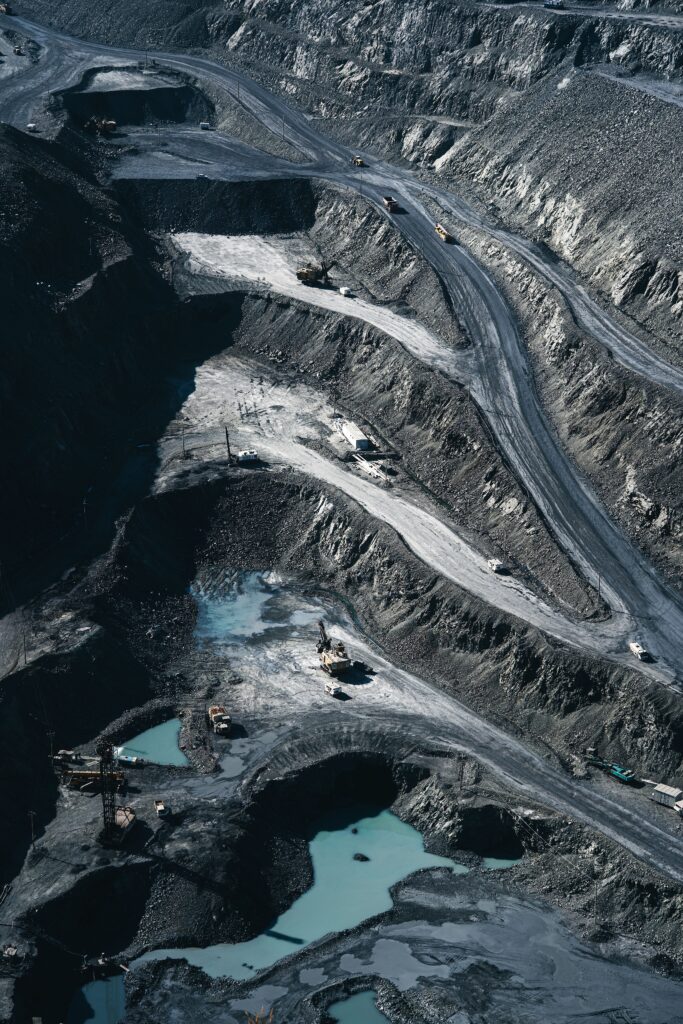
Secondly, minerals are important for industrial development. However, mineral resources are limited and need conservation.
Definition
English
Minerals are naturally occurring substances found in the Earth’s crust. Secondly, minerals provide essential resources for industries.
हिंदी
पृथ्वी की सतह में प्राकृतिक रूप से पाए जाने वाले पदार्थों को खनिज कहते हैं।
Classification of Minerals ( Moreover, India has rich mineral resources. )
Metallic Minerals
Ferrous Minerals
- Iron Ore
- Manganese
- Nickel
Non-Ferrous Minerals
- Copper
- Bauxite
- Zinc
Non-Metallic Minerals
- Limestone
- Mica
- Gypsum
Important Minerals and Producing States
| Mineral | Leading State |
|---|---|
| Iron Ore | Odisha |
| Coal | Jharkhand |
| Bauxite | Odisha |
| Mica | Jharkhand |
| Limestone | Rajasthan |
Coal Fields of India
Major Coalfields
- Jharia (Jharkhand)
- Raniganj (West Bengal)
- Bokaro (Jharkhand)
- Talcher (Odisha)
Important Fact
Jharia Coalfield is famous for coking coal.
Petroleum Producing Areas
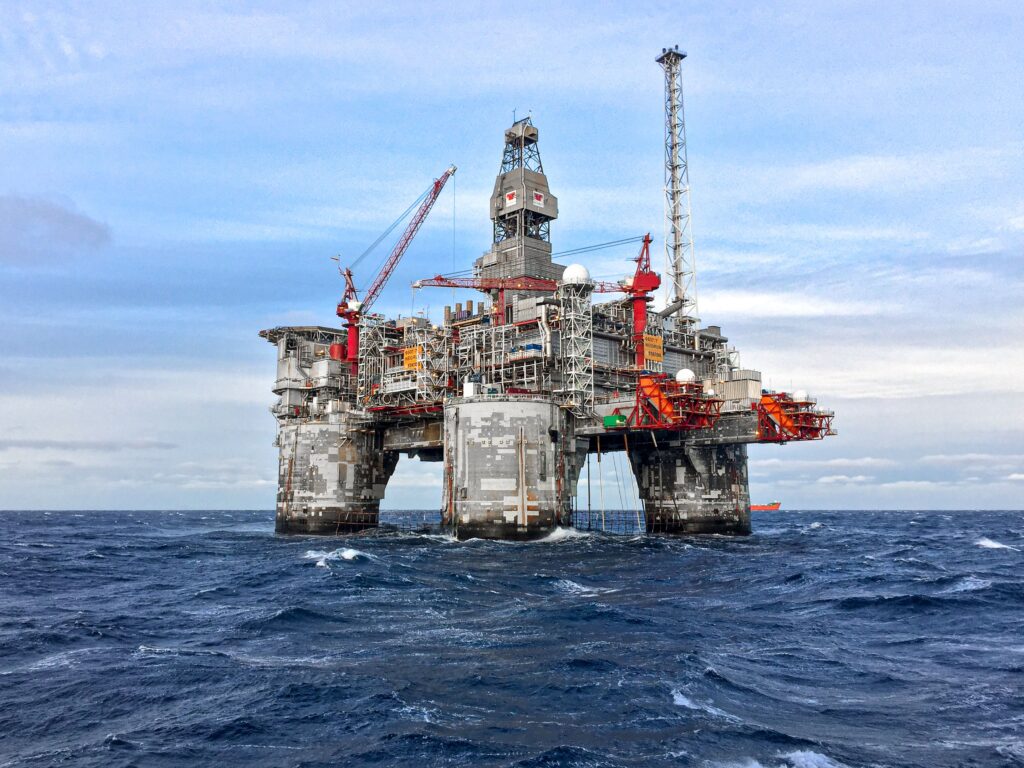
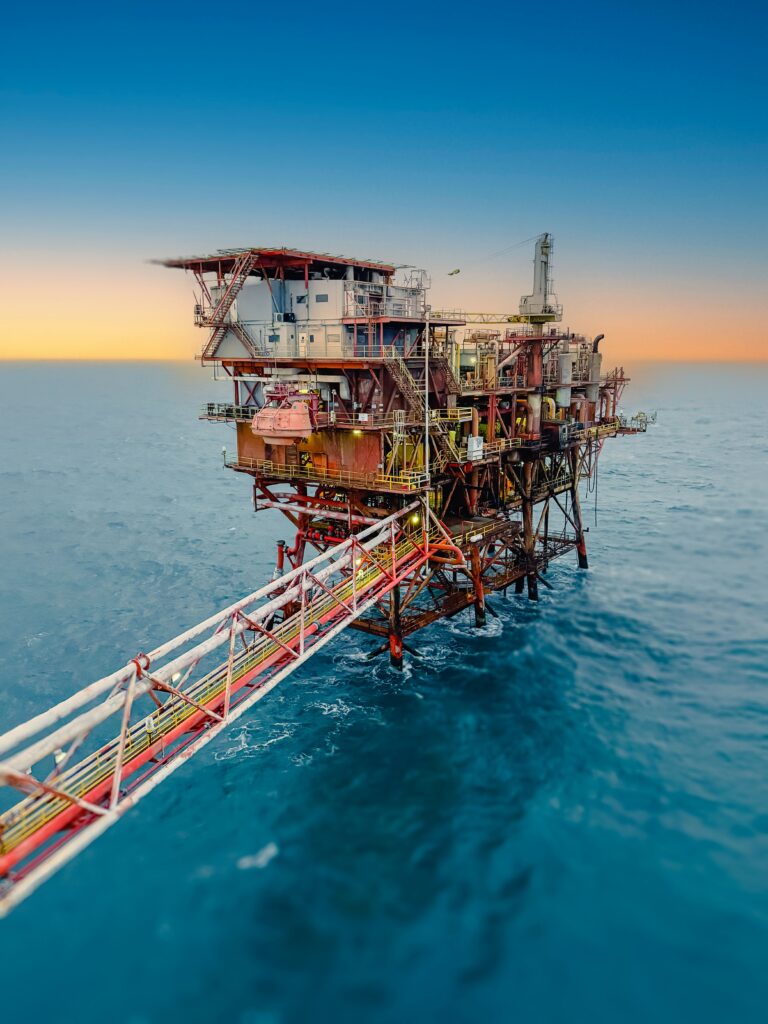
- Mumbai High
- Digboi (Assam)
- Ankleshwar (Gujarat)
- Krishna-Godavari Basin
3. What is Transport? (परिवहन)
Definition
Transport means movement of people and goods from one place to another. In addition, transport connects production centers with markets. Furthermore, transport connects production centers with markets.
परिवहन का अर्थ है लोगों एवं वस्तुओं को एक स्थान से दूसरे स्थान तक पहुंचाना।
Types of Transport
- Road Transport
- Rail Transport
- Water Transport
- Air Transport
- Pipeline Transport
Road Transport
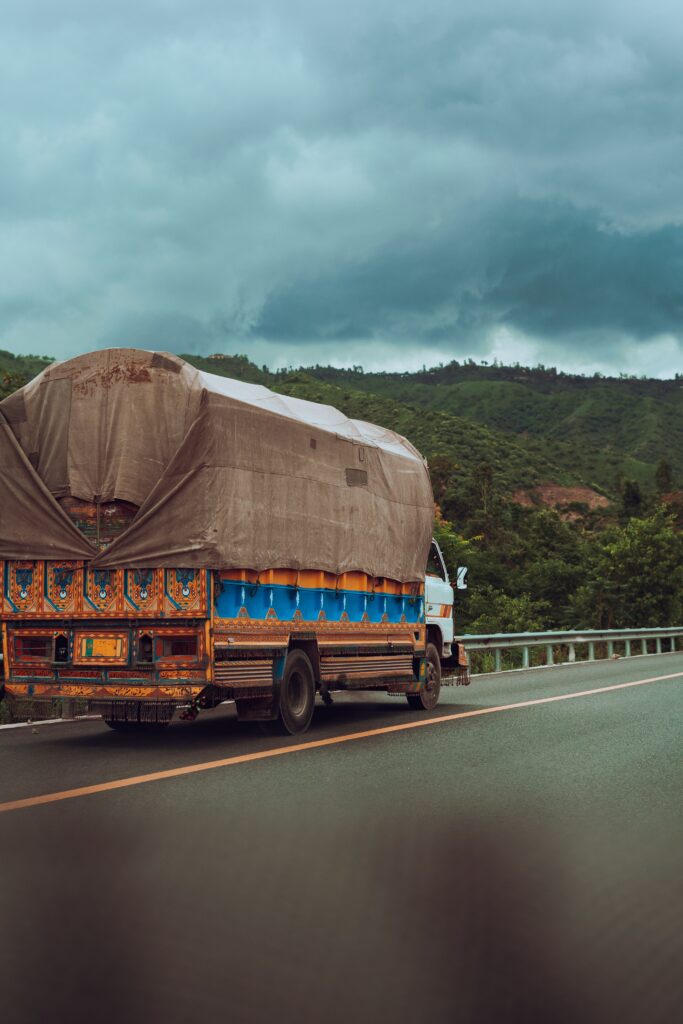
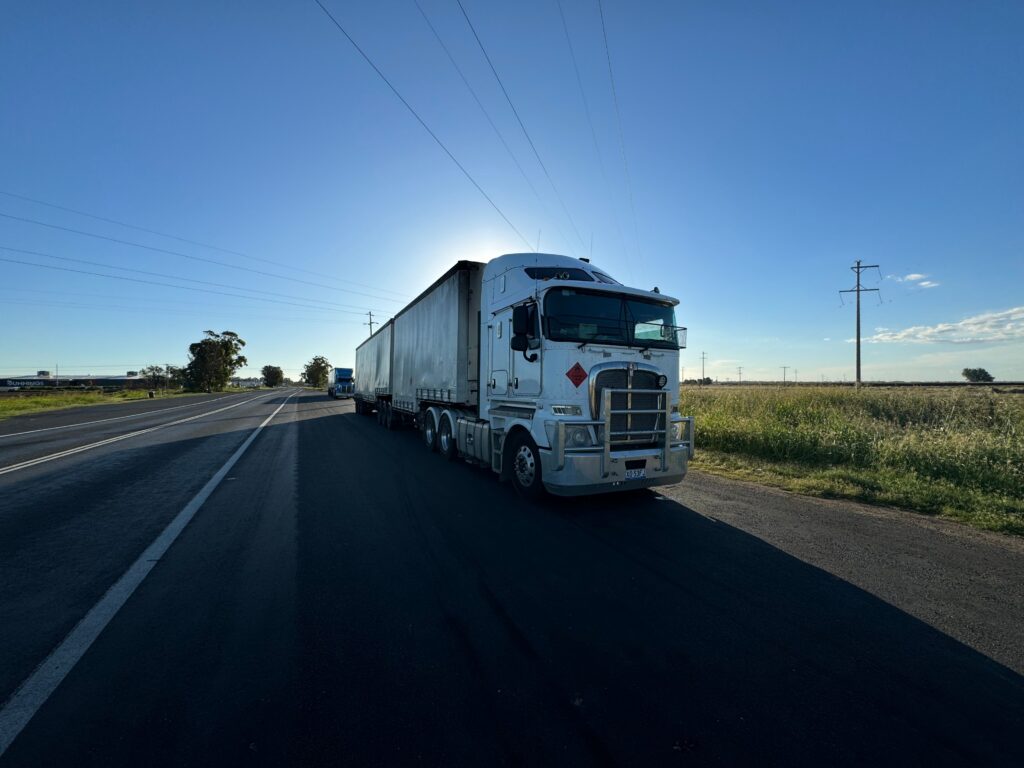
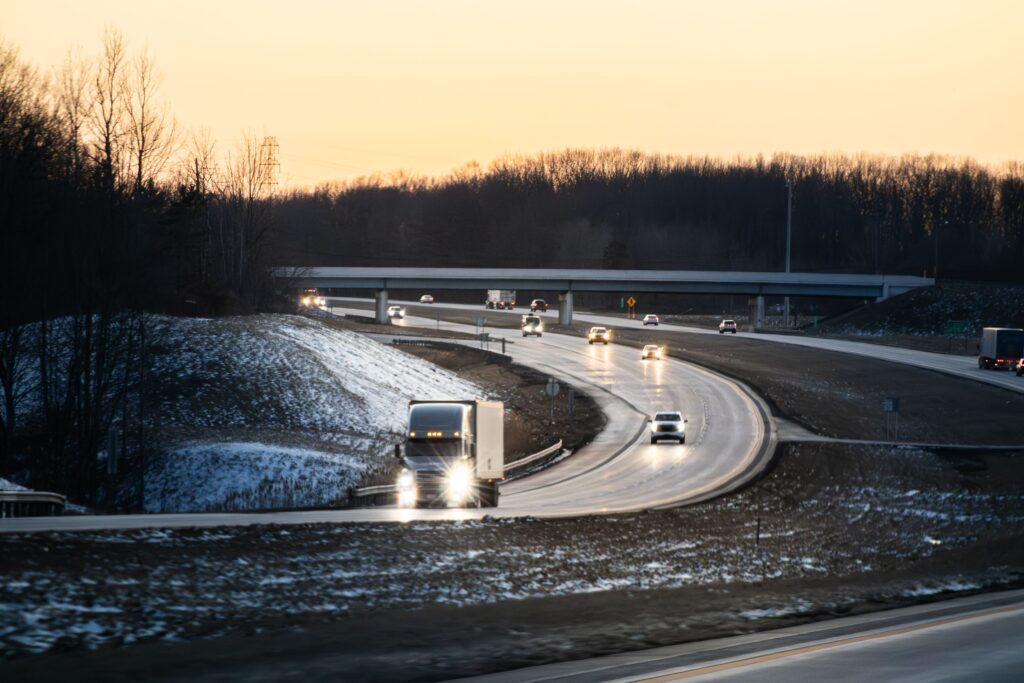
Major National Highways
| Highway | Connects |
|---|---|
| NH-44 | Srinagar to Kanyakumari |
| NH-27 | East-West Corridor |
Fact
NH-44 is the longest National Highway in India.
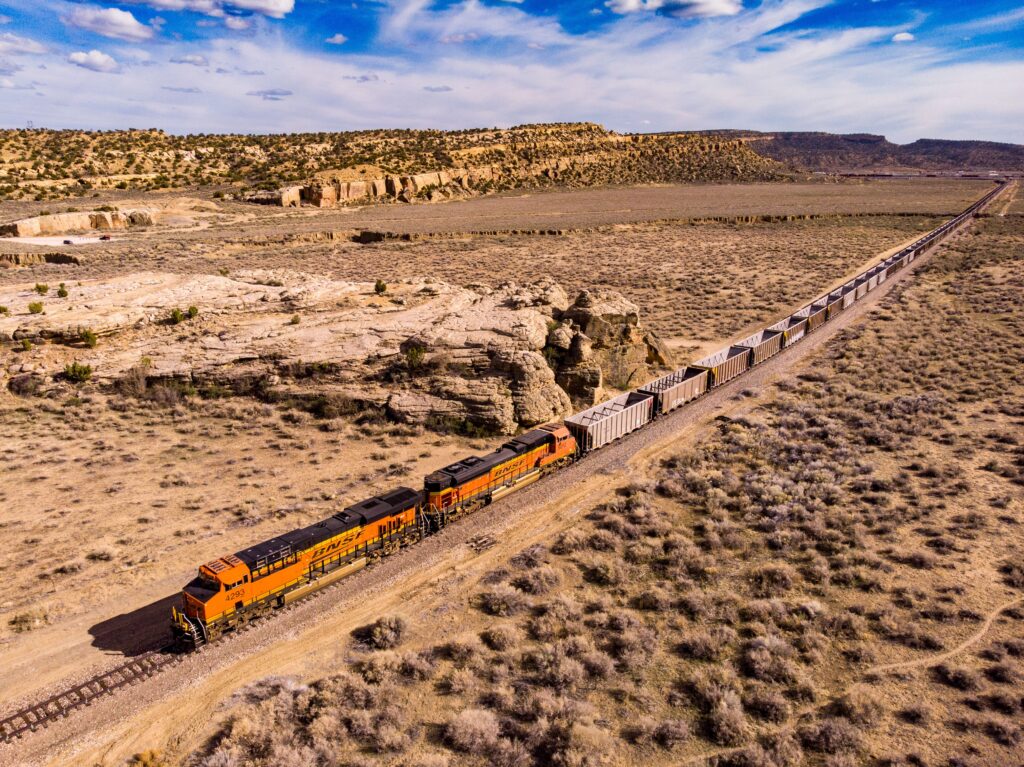
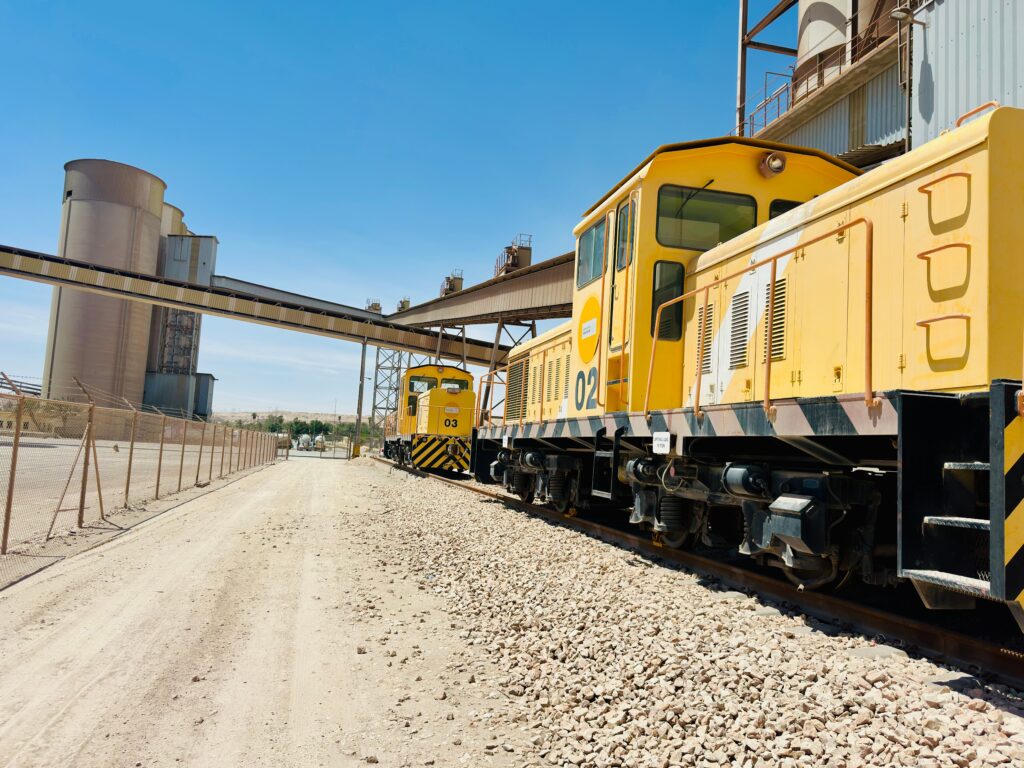
Rail Transport
Features
- Largest rail network in Asia after China.
- Managed by Indian Railways. Furthermore, railways play a major role in freight movement.
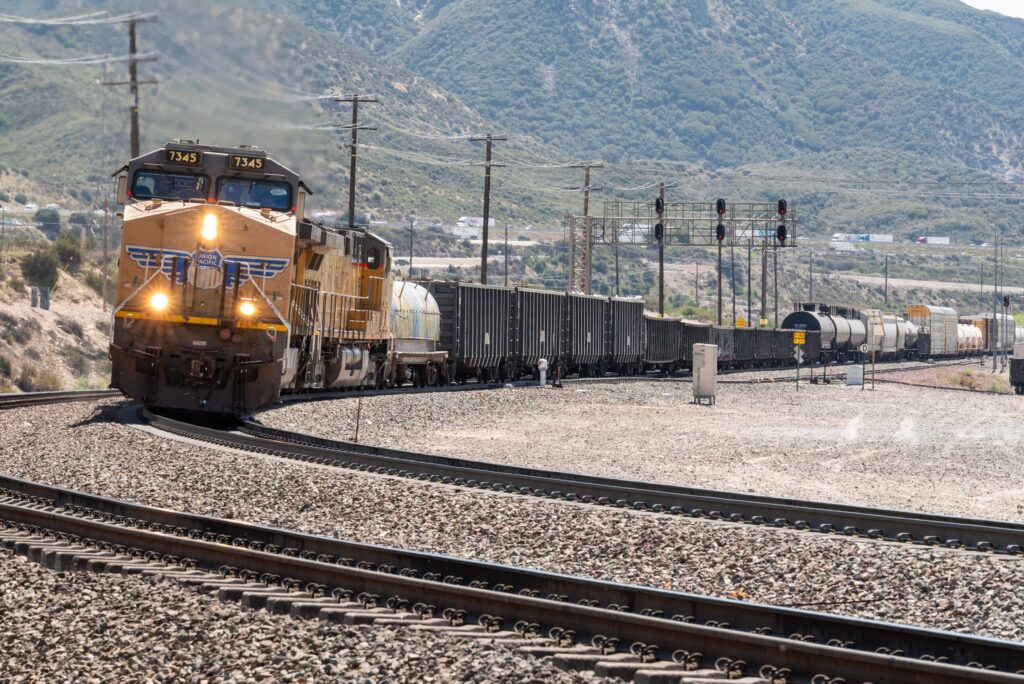
Railway Zones Headquarters
| Zone | HQ |
|---|---|
| East Central Railway | Hajipur |
| Eastern Railway | Kolkata |
| Northern Railway | New Delhi |
Water Transport
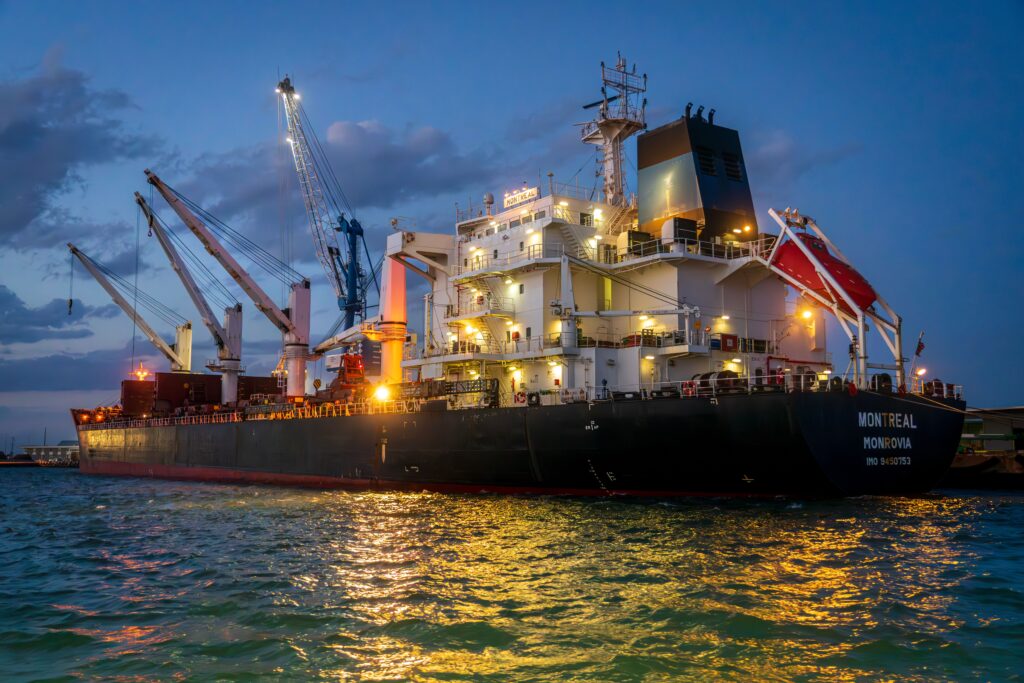
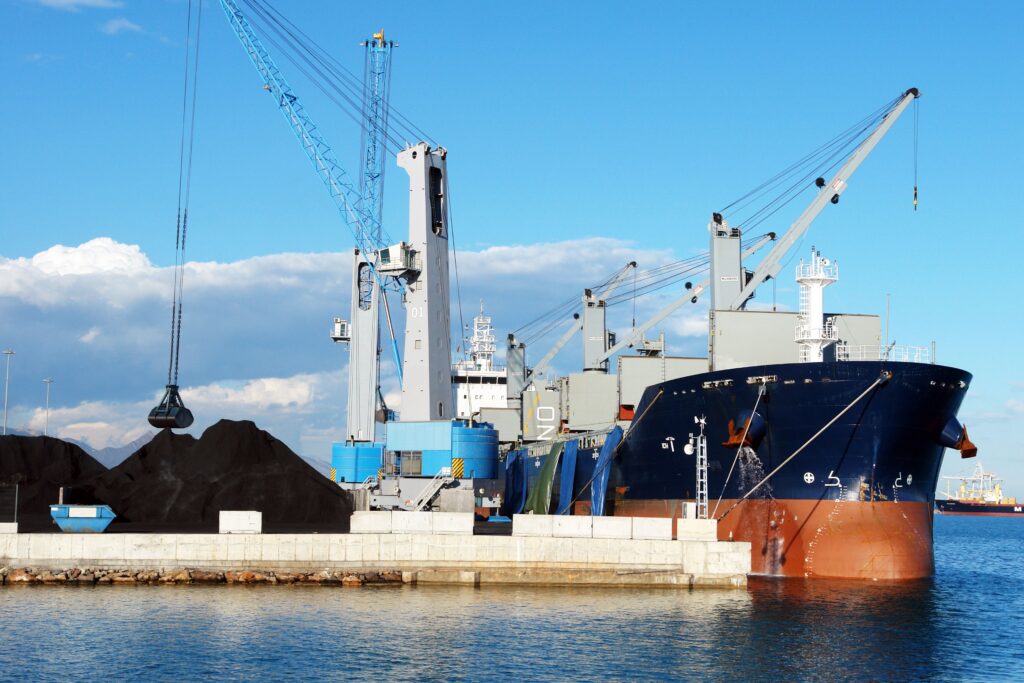
Major Ports
| Port | State |
|---|---|
| Mumbai | Maharashtra |
| Kandla | Gujarat |
| Paradip | Odisha |
| Chennai | Tamil Nadu |
| Visakhapatnam | Andhra Pradesh |
Air Transport
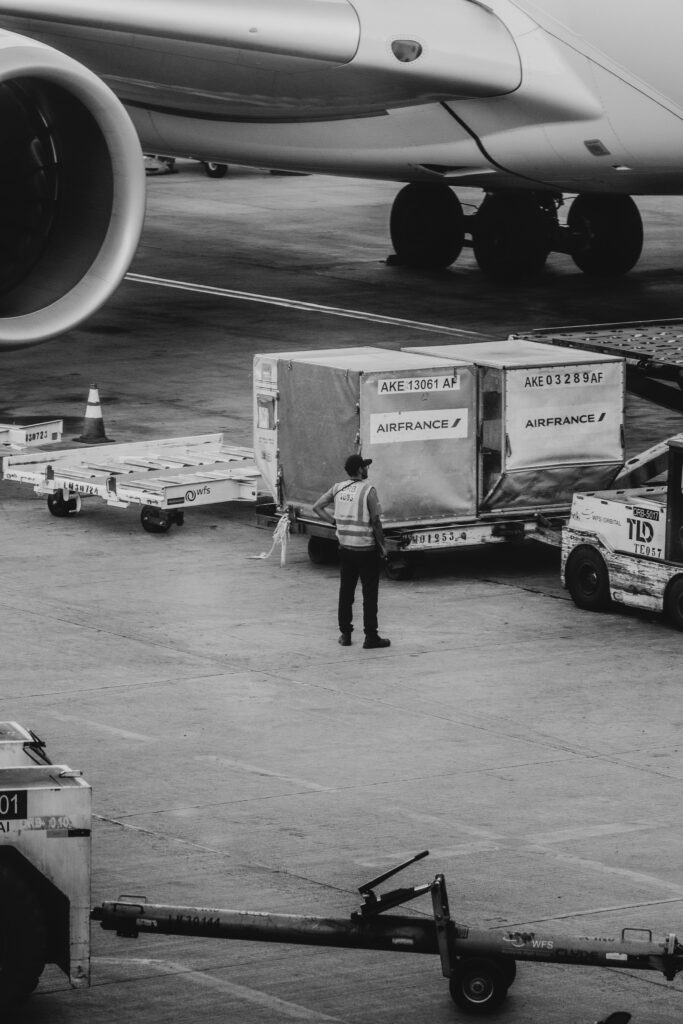


Major Airports
- Delhi
- Mumbai
- Bengaluru
- Hyderabad
- Kolkata
Largest Airport
Indira Gandhi International Airport, Delhi
Pipeline Transport
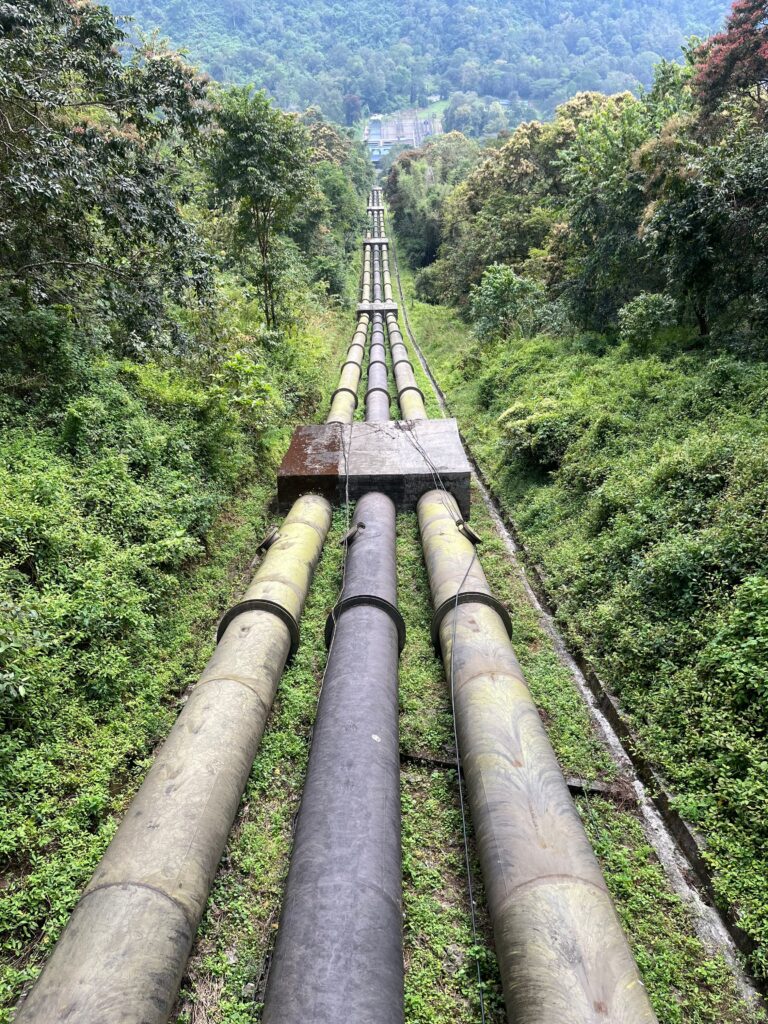
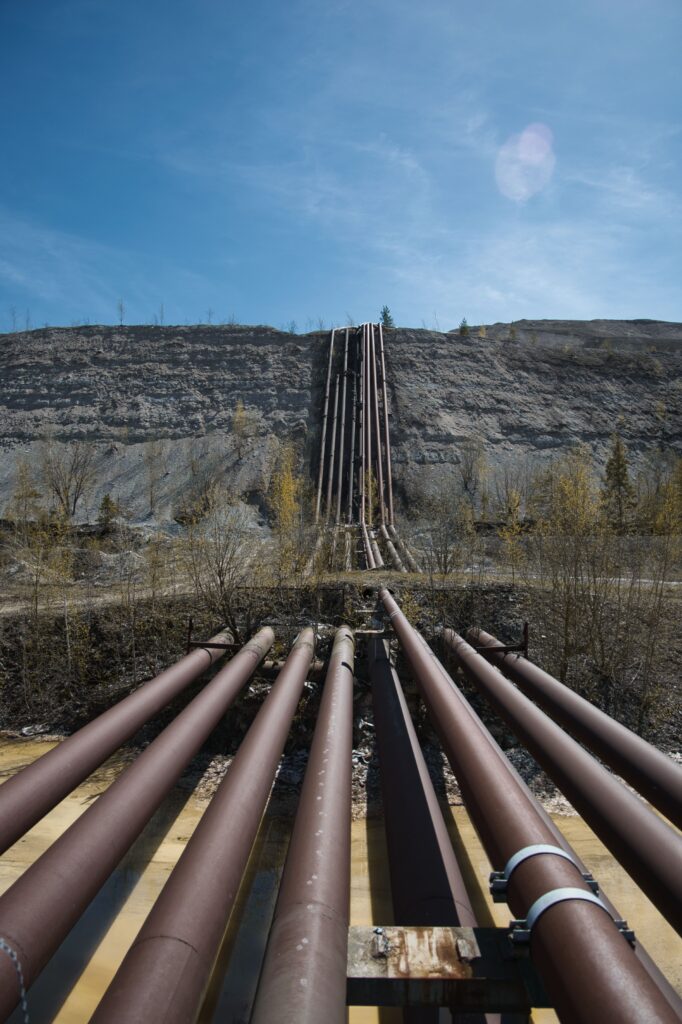
Important Pipelines
- HBJ Pipeline
- Kandla-Bhatinda Pipeline
Advantages of Transport
Cheapest method for transporting petroleum and natural gas. Finally, efficient transport improves economic development.
Key Points Revision ( Industries Minerals and Transport )
| Jamshedpur is the Steel City of India. |
| Manchester of India is Ahmedabad |
| Odisha leads in iron ore production. |
| Famous Coalfield is Jharia |
| Mumbai High produces petroleum. |
| NH-44 is India’s longest highway. |
| Hajipur is the headquarters of East Central Railway. |
| Odisha’s Major Port is Paradip |
Abbreviations
| Abbreviation | Full Form |
|---|---|
| SAIL | Steel Authority of India Limited |
| NH | National Highway |
| ONGC | Oil and Natural Gas Corporation |
| IOC | Indian Oil Corporation |
| BHEL | Bharat Heavy Electricals Limited |
| LPG | Liquefied Petroleum Gas |
Previous Year Questions (PYQ)
Q1. Jharia Coalfield is located in?
Ans: Jharkhand
Q2. Which state is the largest producer of iron ore?
Ans: Odisha
Q3. Which city is called Steel City of India?
Ans: Jamshedpur
Q4. NH-44 connects?
Ans: Srinagar to Kanyakumari
Q5. East Central Railway headquarters is located at?
Ans: Hajipur
BPSC Important MCQs
1. Which mineral is known as “Brown Gold”?
A. Coal
B. Bauxite
C. Mica
D. Iron
✅ Answer: Bauxite
2. Digboi is famous for?
A. Coal
B. Petroleum
C. Iron Ore
D. Gold
✅ Answer: Petroleum
3. Which port is located in Odisha?
A. Chennai
B. Mumbai
C. Paradip
D. Kandla
✅ Answer: Paradip
4. Manchester of India is?
A. Surat
B. Mumbai
C. Ahmedabad
D. Kanpur
✅ Answer: Ahmedabad
5. Largest producer of coal in India?
A. Odisha
B. Jharkhand
C. Chhattisgarh
D. Rajasthan
✅ Answer: Jharkhand
HOTS Questions
Q1.
Why are iron and steel industries called basic industries?
Answer
Because they supply raw materials to many other industries such as engineering, automobile and construction industries.
Q2.
Why is transport important for industrial development?
Answer
Transport facilitates movement of raw materials, labor and finished products. Therefore, industries and transport support economic growth.
Q3.
Why are most industries located near mineral-rich regions?
Answer
To reduce transportation cost of heavy raw materials.
Expected Questions for BPSC 2026
Very Important
- Classify industries with examples.
- Explain the importance of minerals.
- Discuss iron and steel industry in India.
- Describe major coalfields of India.
- Explain different modes of transport.
- Write a note on National Highways.
- Explain significance of Mumbai High.
- Differentiate metallic and non-metallic minerals.
- Discuss major ports of India.
- Explain pipeline transport.
One-Line BPSC Revision
- Odisha → Iron Ore
- Jharkhand → Coal & Mica
- Mumbai High → Petroleum
- Ahmedabad → Manchester of India
- Jamshedpur → Steel City
- NH-44 → Longest Highway
- Hajipur → East Central Railway HQ
- Paradip → Odisha Port
- HBJ → Natural Gas Pipeline
- Bokaro → Steel Plant
Conclusion
Firstly, industries use raw materials to produce goods. Secondly, minerals provide important resources for industries. Moreover, India has rich deposits of coal and iron ore. In addition, these resources support economic growth. Furthermore, transport connects industries with markets. Therefore, transport is essential for trade. However, mineral resources are limited. Hence, conservation is important. Similarly, better transport improves connectivity. As a result, industries grow faster. Finally, industries, minerals and transport work together for national development.
Next Topic (Part 16): BPSC Polity: Most Important Preamble and Fundamental Rights
Keep Learning, Keep Growing! 🚀
P Kumar | Rising Star Mindset
www.risingstarmindset.com
Together We Will Make The Difference
Thik hai