
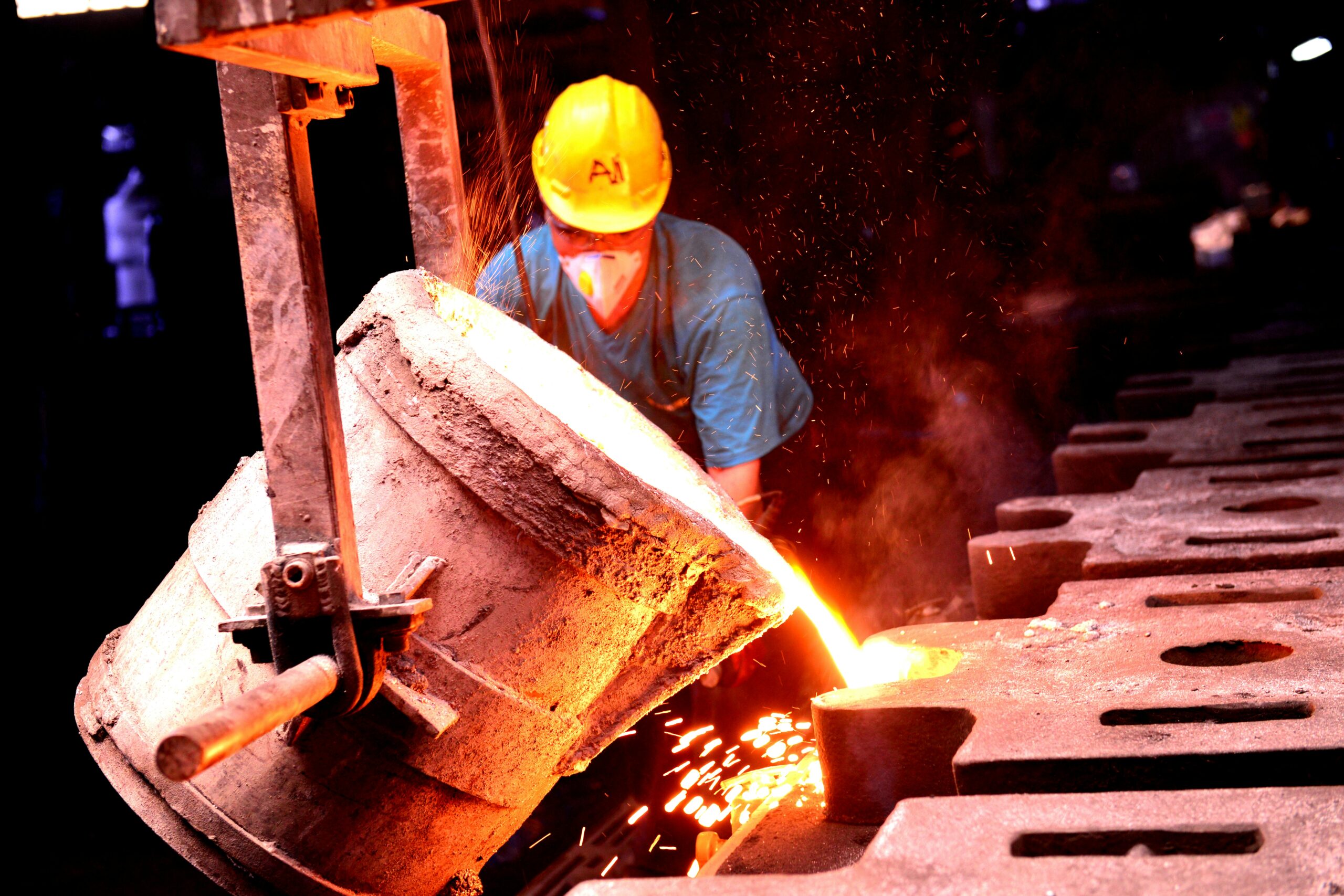
Class 8 Science Chapter 4 “Materials: Metals and Non-Metals” is an important chapter of NCERT Science. In this chapter, students learn about metals, non-metals, their physical and chemical properties, uses, and reactions. Moreover, this chapter helps students understand the importance of different materials used in daily life.
इस अध्याय में विद्यार्थी धातु (Metals) और अधातु (Non-Metals) के गुण, उपयोग और उनके रासायनिक व्यवहार के बारे में सीखते हैं। इसलिए, यह अध्याय विज्ञान की बुनियादी समझ को मजबूत बनाता है।
Introduction (Class 8 CH -03)
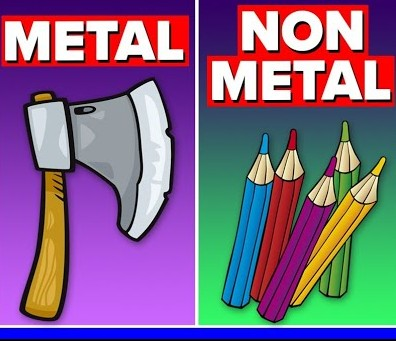
Materials around us are mainly divided into two groups:
- Metals (धातु)
- Non-Metals (अधातु)
हम अपने दैनिक जीवन में कई प्रकार की धातुओं और अधातुओं का उपयोग करते हैं। For example, iron is used in construction, while oxygen is essential for breathing.
Therefore, understanding these materials is very important in science.
🔩 What are Metals? | धातु क्या हैं? (Class 8)
Metals are substances that are generally hard, shiny, strong, and good conductors of heat and electricity.
धातु वे पदार्थ होते हैं जो सामान्यतः कठोर, चमकदार तथा ऊष्मा और विद्युत के अच्छे चालक होते हैं।
Examples of Metals | धातुओं के उदाहरण
- Iron (लोहा)
- Copper (तांबा)
- Aluminium
- Gold (सोना)
- Silver (चांदी)
Hence, metals are widely used in industries and household items.
🌿 What are Non-Metals? | अधातु क्या हैं?
Non-metals are substances that are generally soft and poor conductors of heat and electricity.
अधातु वे पदार्थ होते हैं जो सामान्यतः ऊष्मा और विद्युत के कुचालक होते हैं।
Examples of Non-Metals | अधातुओं के उदाहरण
- Oxygen
- Sulphur
- Carbon
- Nitrogen
Moreover, non-metals are also essential for life and industries.
⚡ Physical Properties of Metals | धातुओं के भौतिक गुण
Metals have several important physical properties.
| Property | Description |
|---|---|
| Lustrous | Metals are shiny |
| Malleable | Can be beaten into sheets |
| Ductile | Can be drawn into wires |
| Sonorous | Produce sound when struck |
| Conductors | Good conductors of heat and electricity |
धातुओं में चमक होती है और इन्हें तार तथा पतली चादरों में बदला जा सकता है। इसलिए, metals are very useful in manufacturing and electrical work.
🌱 Physical Properties of Non-Metals | अधातुओं के भौतिक गुण
Non-metals generally show properties opposite to metals.
| Property | Description |
|---|---|
| Non-lustrous | Dull appearance |
| Brittle | Break easily |
| Non-sonorous | Do not produce sound |
| Poor Conductors | Poor conductors of heat and electricity |
हालांकि, Graphite एक ऐसा अधातु है जो विद्युत का चालक होता है।
🔥 Chemical Properties of Metals | धातुओं के रासायनिक गुण
1. Reaction with Oxygen
Metals react with oxygen and form metal oxides.
Example:
- Magnesium + Oxygen → Magnesium Oxide
2. Reaction with Water
Some metals react with water and produce hydrogen gas.
3. Reaction with Acids
Metals react with acids and release hydrogen gas.
इसलिए, metals chemically reactive substances होते हैं।
🌬️ Chemical Properties of Non-Metals | अधातुओं के रासायनिक गुण (Class 8 CH-03)
Non-metals also react with oxygen and form non-metal oxides.
Example:
- Sulphur + Oxygen → Sulphur Dioxide
Generally, non-metals do not react with acids like metals.
🏭 Uses of Metals | धातुओं के उपयोग
Metals are very useful because they are strong and durable.
Common Uses of Metals
- Iron → Construction work
- Copper → Electric wires
- Aluminium → Cooking utensils
- Gold and Silver → Jewellery
Hence, metals play an important role in modern life.
🌍 Uses of Non-Metals | अधातुओं के उपयोग
Non-metals are also important in daily life.
Common Uses of Non-Metals
- Oxygen → Breathing
- Nitrogen → Fertilizers
- Chlorine → Water purification
- Carbon → Fuel
Therefore, non-metals are useful in industries, agriculture, and human life.
⚠️ Rusting of Iron | लोहे में जंग लगना
The reddish-brown coating formed on iron due to air and moisture is called rusting.
वायु और नमी के कारण लोहे पर बनने वाली लाल-भूरी परत को जंग (Rust) कहते हैं।
Prevention of Rusting | जंग से बचाव
- Painting
- Greasing
- Galvanization
Thus, rusting should be prevented to protect iron objects.
📖 Important Question Answers | महत्वपूर्ण प्रश्न उत्तर
Q1. What are metals?
👉 Metals are shiny and good conductors of heat and electricity.
👉 धातु चमकदार तथा ऊष्मा और विद्युत के अच्छे चालक होते हैं।
Q2. Name two non-metals.
👉 Oxygen and Sulphur.
Q3. What is rusting?
👉 The reddish-brown coating formed on iron is called rusting.
👉 लोहे पर बनने वाली लाल-भूरी परत को जंग कहते हैं।
Q4. Why is copper used in electric wires?
👉 Because copper is a good conductor of electricity.
Q5. Which non-metal is essential for breathing?
👉 Oxygen.
📝 Conclusion | निष्कर्ष (Class 8 CH-3)
Class 8 Science Chapter 4 “Materials: Metals and Non-Metals” helps students understand the properties and uses of metals and non-metals. Moreover, students learn about rusting and chemical reactions of different materials.
यह अध्याय विद्यार्थियों को धातुओं और अधातुओं की विशेषताओं तथा उनके उपयोगों के बारे में महत्वपूर्ण जानकारी देता है। इसलिए, यह chapter science learning के लिए बहुत उपयोगी है।
2 thoughts on “⚙️ Materials: Metals and Non-Metals Class 8 | धातु और अधातु Notes ⚙️”