
Physical and Chemical Changes are important concepts in Science that help students understand how substances change around us. Some changes only alter the appearance of a substance, while others create completely new substances.
Table of Contents (Physical and Chemical Changes )
- Introduction
- What is a Physical Change?
- Characteristics of Physical Changes
- Examples of Physical Changes
- What is a Chemical Change?
- Characteristics of Chemical Changes
- Examples of Chemical Changes
- Difference Between Physical and Chemical Changes
- Rusting of Iron
- Prevention of Rusting
- Crystallisation
- Key Facts
- Important Abbreviations
- Conclusion READ MORE
1. Introduction ( Physical and Chemical Changes )
परिचय
Everyday we observe many changes around us such as melting of ice, burning of paper, cooking food, rusting of iron, etc. These changes are mainly divided into two types:
- Physical Changes
- Chemical Changes
हिंदी में:
हम अपने आसपास प्रतिदिन कई परिवर्तन देखते हैं जैसे बर्फ का पिघलना, कागज का जलना, भोजन पकना और लोहे में जंग लगना। इन परिवर्तनों को मुख्यतः दो भागों में बाँटा जाता है:
- भौतिक परिवर्तन
- रासायनिक परिवर्तन
2. What is a Physical Change?
भौतिक परिवर्तन क्या है?
A change in which only the physical properties of a substance change and no new substance is formed is called a Physical Change.
Examples:
- Melting of ice
- Breaking of glass
- Boiling water
- Folding paper
Hindi:
जिस परिवर्तन में पदार्थ के केवल भौतिक गुण बदलते हैं और कोई नया पदार्थ नहीं बनता, उसे भौतिक परिवर्तन कहते हैं।
उदाहरण:
- बर्फ का पिघलना
- कांच टूटना
- पानी उबलना
- कागज मोड़ना
3. Characteristics of Physical Changes
भौतिक परिवर्तन की विशेषताएँ
| English | हिंदी |
|---|---|
| No new substance is formed | नया पदार्थ नहीं बनता |
| Usually temporary | सामान्यतः अस्थायी होता है |
| Can often be reversed | अक्सर वापस बदला जा सकता है |
| Only size, shape, or state changes | केवल आकार, रूप या अवस्था बदलती है |
4. Examples of Physical Changes
भौतिक परिवर्तन के उदाहरण
| Physical Change | Explanation |
|---|---|
| Melting of ice | Ice changes into water |
| Freezing of water | Water changes into ice |
| Cutting wood | Shape changes only |
| Dissolving sugar in water | No new substance formed |
हिंदी:
| भौतिक परिवर्तन | व्याख्या |
|---|---|
| बर्फ पिघलना | बर्फ पानी में बदलती है |
| पानी जमना | पानी बर्फ बनता है |
| लकड़ी काटना | केवल आकार बदलता है |
| चीनी घोलना | नया पदार्थ नहीं बनता |
5. What is a Chemical Change?
रासायनिक परिवर्तन क्या है?
A change in which one or more new substances are formed is called a Chemical Change.
Examples:
- Burning paper
- Cooking food
- Rusting iron
- Digestion of food
हिंदी:
जिस परिवर्तन में नया पदार्थ बनता है, उसे रासायनिक परिवर्तन कहते हैं।
उदाहरण:
- कागज जलना
- भोजन पकना
- लोहे में जंग लगना
- भोजन का पचना
6. Characteristics of Chemical Changes
रासायनिक परिवर्तन की विशेषताएँ
| English | हिंदी |
|---|---|
| New substance is formed | नया पदार्थ बनता है |
| Usually permanent | सामान्यतः स्थायी होता है |
| Difficult to reverse | वापस बदलना कठिन होता है |
| Energy may be released | ऊर्जा निकल सकती है |
7. Examples of Chemical Changes
रासायनिक परिवर्तन के उदाहरण
| Chemical Change | Explanation |
|---|---|
| Burning wood | Ash and smoke are formed |
| Rusting iron | Iron oxide forms |
| Cooking food | New substances form |
| Milk turning into curd | Chemical composition changes |
हिंदी:
| रासायनिक परिवर्तन | व्याख्या |
|---|---|
| लकड़ी जलना | राख और धुआँ बनता है |
| जंग लगना | आयरन ऑक्साइड बनता है |
| भोजन पकना | नया पदार्थ बनता है |
| दूध से दही बनना | रासायनिक संरचना बदलती है |
8. Difference Between Physical and Chemical Changes
भौतिक और रासायनिक परिवर्तन में अंतर
| Physical Change | Chemical Change |
|---|---|
| No new substance formed | New substance formed |
| Temporary | Permanent |
| Easily reversible | Hard to reverse |
| Physical properties change | Chemical properties change |
हिंदी:
| भौतिक परिवर्तन | रासायनिक परिवर्तन |
|---|---|
| नया पदार्थ नहीं बनता | नया पदार्थ बनता है |
| अस्थायी | स्थायी |
| आसानी से बदला जा सकता है | बदलना कठिन |
| केवल भौतिक गुण बदलते हैं | रासायनिक गुण बदलते हैं |
9. Rusting of Iron ( Physical and Chemical Changes )
लोहे में जंग लगना
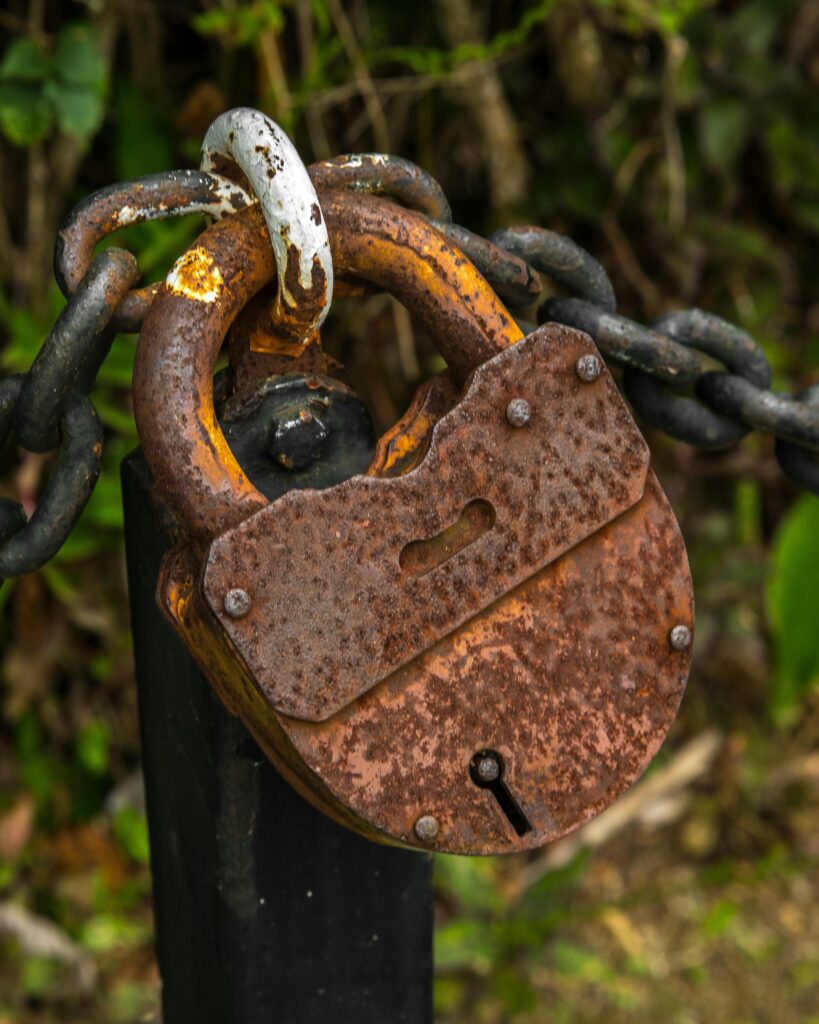
Rusting is a chemical change in which iron reacts with oxygen and moisture to form rust.
Conditions Required:
- Air (Oxygen)
- Water (Moisture)
Hindi:
लोहे का ऑक्सीजन और नमी के साथ प्रतिक्रिया करके जंग बनाना रासायनिक परिवर्तन कहलाता है।
10. Prevention of Rusting ( Physical and Chemical Changes )
जंग से बचाव
Methods:
- Painting
- Oiling
- Greasing
- Galvanisation
हिंदी:
जंग रोकने के उपाय:
- पेंट करना
- तेल लगाना
- ग्रीस लगाना
- गैल्वनाइजेशन
11. Crystallisation ( Physical and Chemical Changes )
क्रिस्टलीकरण
Crystallisation is the process of obtaining pure crystals from a solution.
Example:
Pure copper sulphate crystals.
Hindi:
किसी घोल से शुद्ध क्रिस्टल प्राप्त करने की प्रक्रिया को क्रिस्टलीकरण कहते हैं।
12. Key Facts ( Physical and Chemical Changes )
महत्वपूर्ण तथ्य
- Physical changes do not form new substances.
- Chemical changes form completely new substances.
- Rusting is a slow chemical process.
- Burning always produces heat and light.
- Crystallisation helps in purification.
हिंदी:
- भौतिक परिवर्तन में नया पदार्थ नहीं बनता।
- रासायनिक परिवर्तन में नया पदार्थ बनता है।
- जंग लगना धीमी रासायनिक प्रक्रिया है।
- जलने पर ऊष्मा और प्रकाश निकलता है।
- क्रिस्टलीकरण शुद्धिकरण में मदद करता है।
13. Important Abbreviations ( Physical and Chemical Changes )
महत्वपूर्ण संक्षिप्त रूप
| Abbreviation | Full Form |
|---|---|
| Fe | Iron |
| O₂ | Oxygen |
| H₂O | Water |
| CuSO₄ | Copper Sulphate |
हिंदी:
| संक्षिप्त रूप | पूरा नाम |
|---|---|
| Fe | लोहा |
| O₂ | ऑक्सीजन |
| H₂O | पानी |
| CuSO₄ | कॉपर सल्फेट |
Conclusion ( Physical and Chemical Changes )
निष्कर्ष
Physical and Chemical Changes help us understand how materials behave in everyday life. Physical changes affect only appearance, while chemical changes produce new substances. Understanding these concepts is important for school exams and science learning.
हिंदी:
भौतिक और रासायनिक परिवर्तन हमें यह समझने में मदद करते हैं कि पदार्थ कैसे बदलते हैं। भौतिक परिवर्तन केवल बाहरी रूप बदलते हैं जबकि रासायनिक परिवर्तन नया पदार्थ बनाते हैं।
1 thought on “Physical and Chemical Changes Important Notes for Exams”