

Improvement in Food Resources Class 9 Notes (English + Hindi)
Food is one of the basic necessities of life. As India’s population continues to grow, increasing food production becomes essential. This chapter explains modern agricultural practices, crop improvement, animal husbandry, fisheries, and sustainable farming methods. ( Improvement in Food Resources Class 9 ) PREVIOUS TOPIC : WORK AND ENERGY
भोजन जीवन की मूलभूत आवश्यकताओं में से एक है। भारत की बढ़ती जनसंख्या के कारण खाद्य उत्पादन बढ़ाना आवश्यक है। इस अध्याय में फसल सुधार, पशुपालन, मत्स्य पालन तथा टिकाऊ कृषि के बारे में विस्तार से बताया गया है।
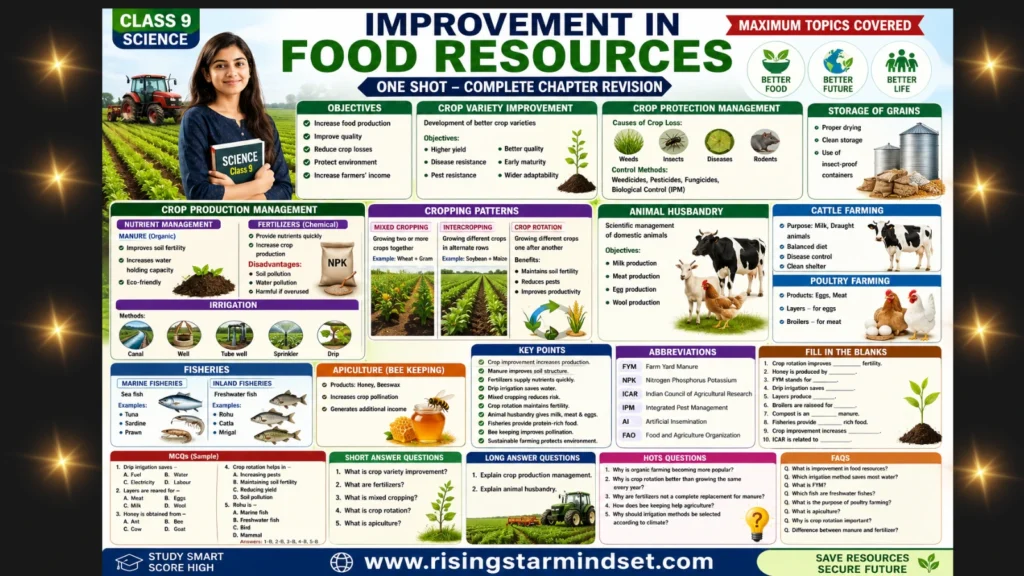
Table of Contents ( Improvement in Food Resources Class 9 )
- Introduction
- Objectives of Food Resource Improvement
- Crop Variety Improvement
- Management of Crop Production
- Crop Protection Management
- Animal Husbandry
- Cattle Farming
- Poultry Farming
- Fisheries
- Apiculture (Bee Keeping)
- Key Points
- Abbreviations
- MCQs
- Fill in the Blanks
- Short Answer Questions
- Long Answer Questions
- HOTS Questions
- FAQs
- Conclusion
Introduction (परिचय) ( Improvement in Food Resources Class 9 )
Food resources include plants and animals that provide food for humans.
Food resources are improved by increasing production, improving quality, and protecting crops from diseases and pests.
खाद्य संसाधनों में पौधे एवं पशु शामिल हैं जो मनुष्य को भोजन प्रदान करते हैं। खाद्य संसाधनों में सुधार उत्पादन बढ़ाने, गुणवत्ता सुधारने तथा फसलों को रोगों एवं कीटों से बचाने के माध्यम से किया जाता है।
Objectives of Food Resource Improvement
English
- Increase food production
- Improve crop quality
- Reduce crop losses
- Protect environment
- Increase farmers’ income
हिंदी
- खाद्य उत्पादन बढ़ाना
- फसल की गुणवत्ता सुधारना
- फसल हानि कम करना
- पर्यावरण की रक्षा करना
- किसानों की आय बढ़ाना
Crop Variety Improvement
Crop variety improvement means developing better crop varieties using scientific methods.
Objectives
- Higher yield
- Disease resistance
- Pest resistance
- Better quality
- Early maturity
- Wider adaptability
हिंदी
फसल सुधार का उद्देश्य अधिक उत्पादन, रोग प्रतिरोधक क्षमता, बेहतर गुणवत्ता तथा जल्दी पकने वाली किस्मों का विकास करना है।
Crop Production Management
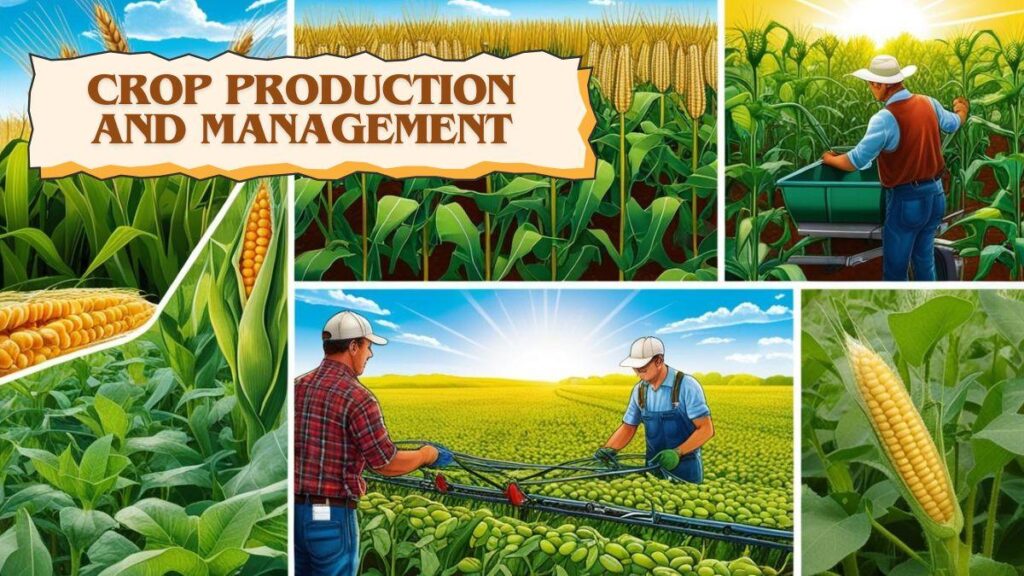
Crop production depends upon nutrients, irrigation and cropping patterns.
Nutrient Management
Manure
Advantages
- Improves soil fertility
- Increases water holding capacity
- Eco-friendly
Fertilizers
Advantages
- Provide nutrients quickly
- Increase crop production
Disadvantages
- Soil pollution
- Water pollution
- Harmful if overused
हिंदी
खाद मिट्टी की उर्वरता बढ़ाती है जबकि रासायनिक उर्वरक पौधों को शीघ्र पोषक तत्व उपलब्ध कराते हैं।
Irrigation
Common Irrigation Methods
- Canal irrigation
- Well irrigation
- Tube well irrigation
- Sprinkler irrigation
- Drip irrigation
हिंदी
सिंचाई फसल उत्पादन के लिए अत्यंत आवश्यक है। ड्रिप सिंचाई जल की बचत करती है।
Cropping Patterns
Mixed Cropping
Growing two or more crops together.
Example
Wheat + Gram
Intercropping
Growing different crops in alternate rows.
Example
Soybean + Maize
Crop Rotation
Growing different crops one after another.
Benefits
- Maintains soil fertility
- Reduces pests
- Improves productivity
हिंदी
फसल चक्र मिट्टी की उर्वरता बनाए रखता है और कीटों की संख्या कम करता है।
Crop Protection Management
Major Causes of Crop Loss
- Weeds
- Insects
- Diseases
- Rodents
Control Methods
- Weedicides
- Pesticides
- Fungicides
- Biological control
Storage of Grains
Proper drying
Clean storage
Use insect-proof containers
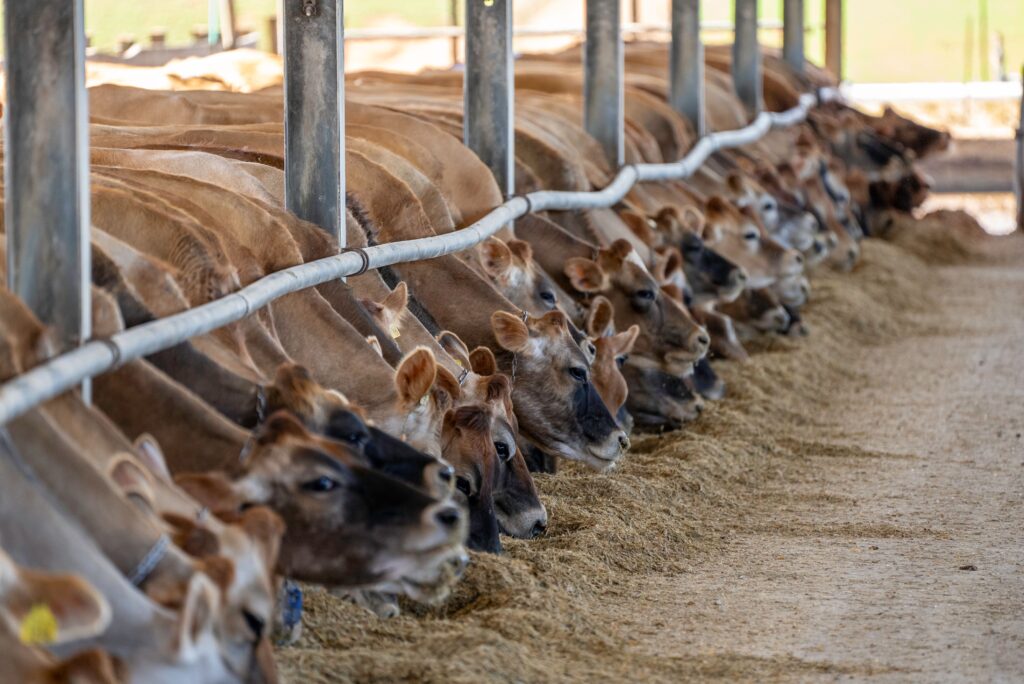
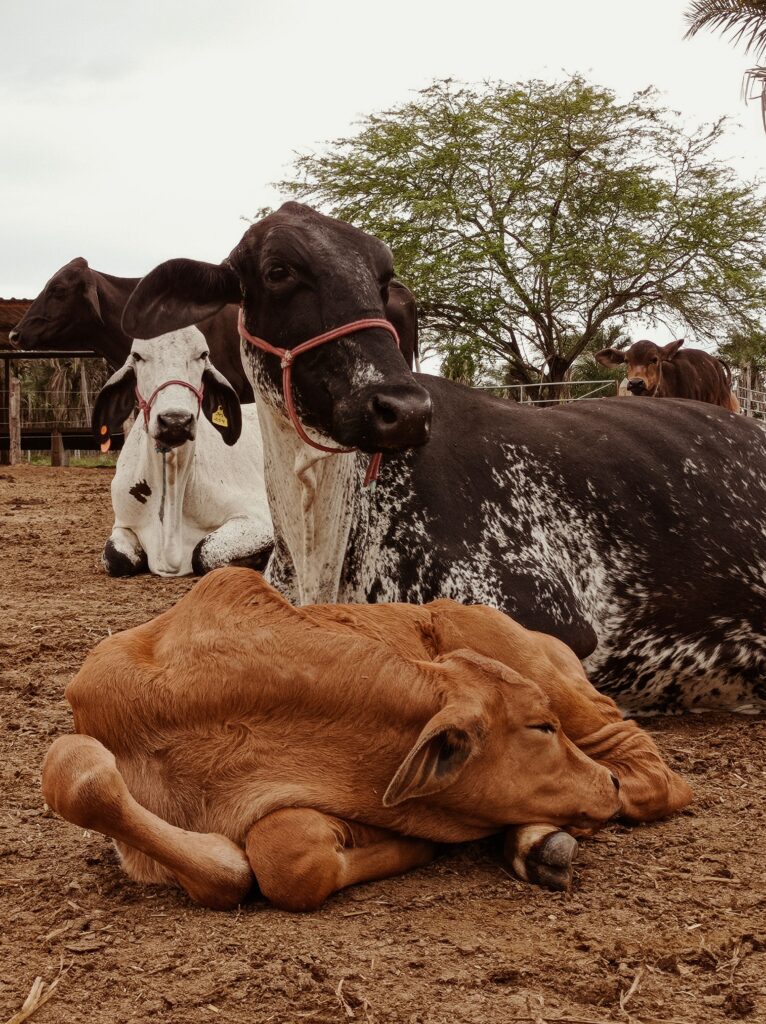
Animal Husbandry
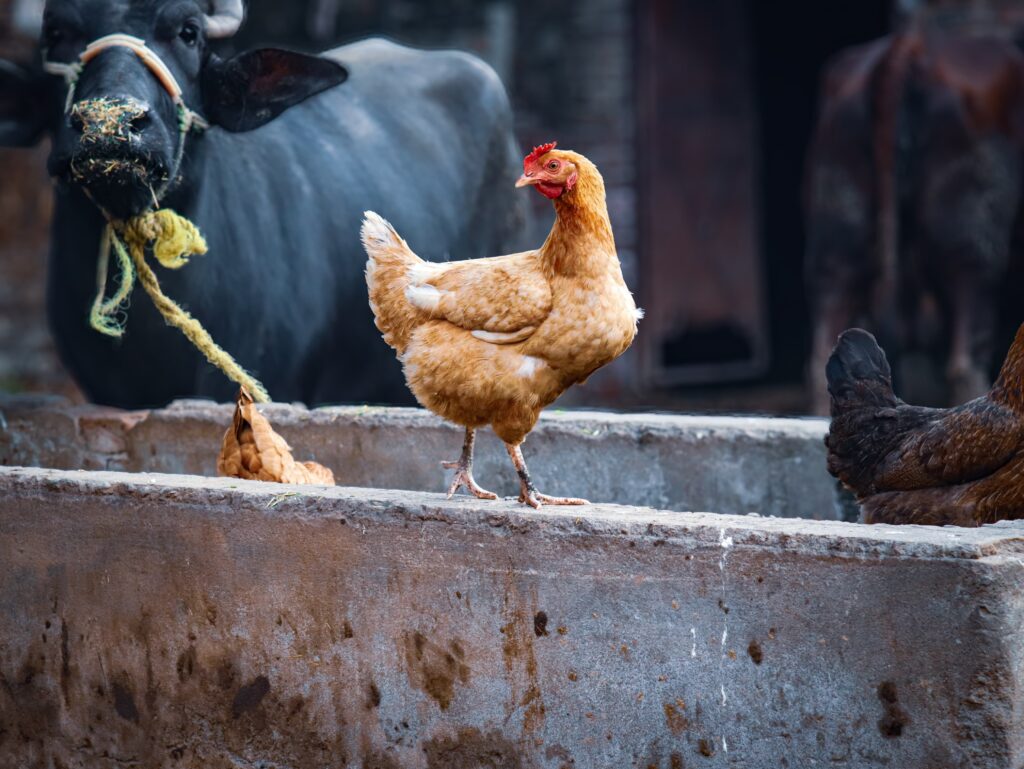
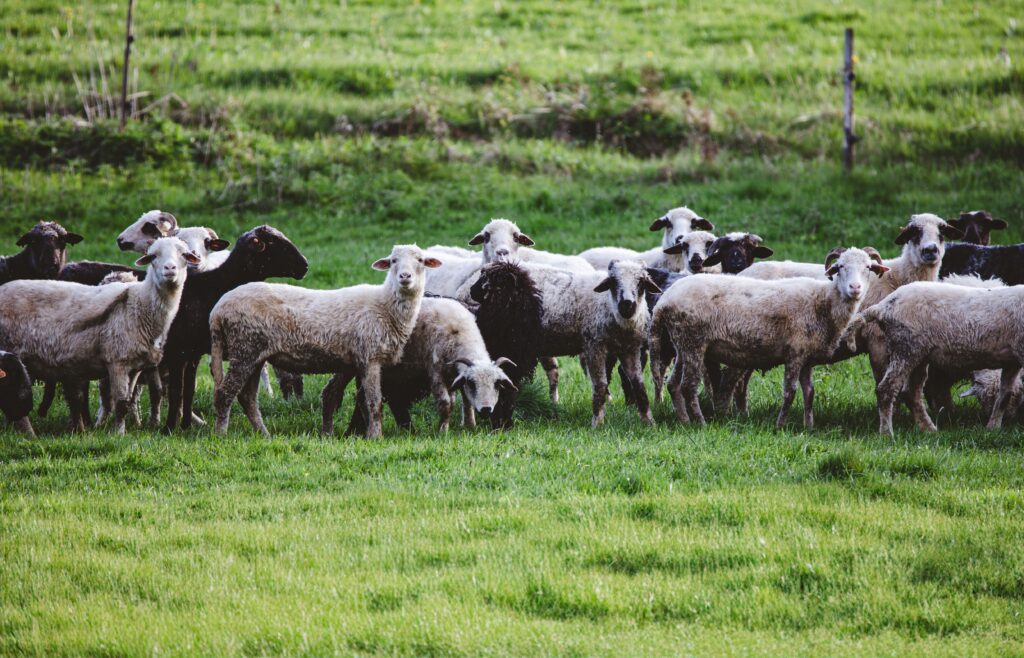
Animal husbandry means scientific management of domestic animals.
Objectives
- Milk production
- Meat production
- Egg production
- Wool production
हिंदी
पशुपालन में घरेलू पशुओं का वैज्ञानिक तरीके से पालन किया जाता है।

Cattle Farming
Purpose
- Milk
- Draught animals
Important Points
- Balanced diet
- Disease control
- Clean shelter
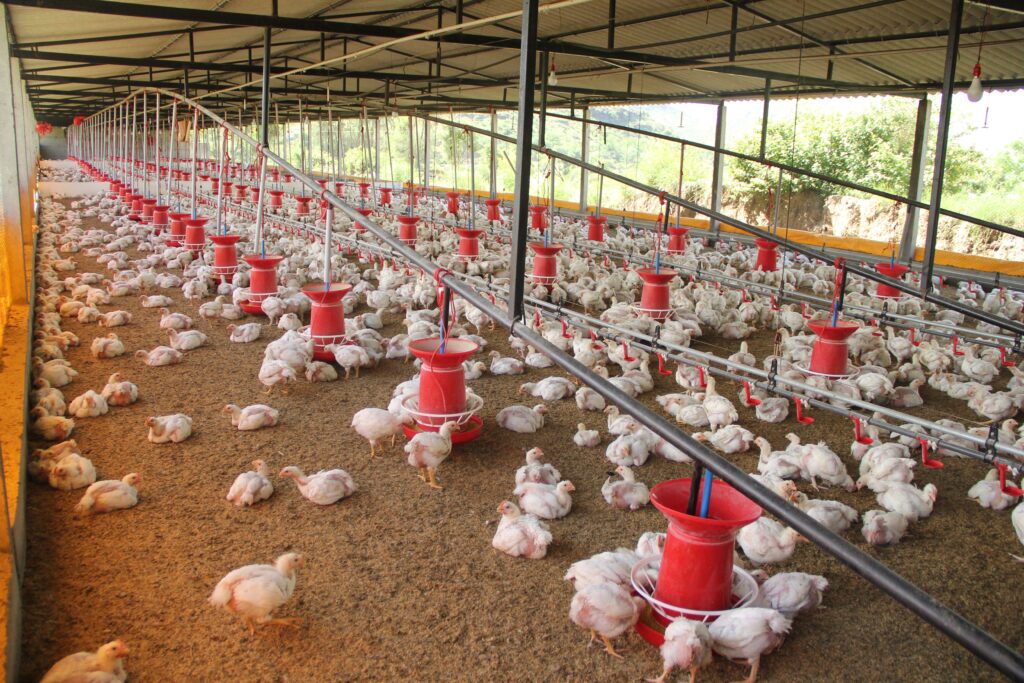
Poultry Farming
Products
- Eggs
- Meat
Important Breeds
- Layers
- Broilers
Difference
Layers produce eggs.
Broilers produce meat.
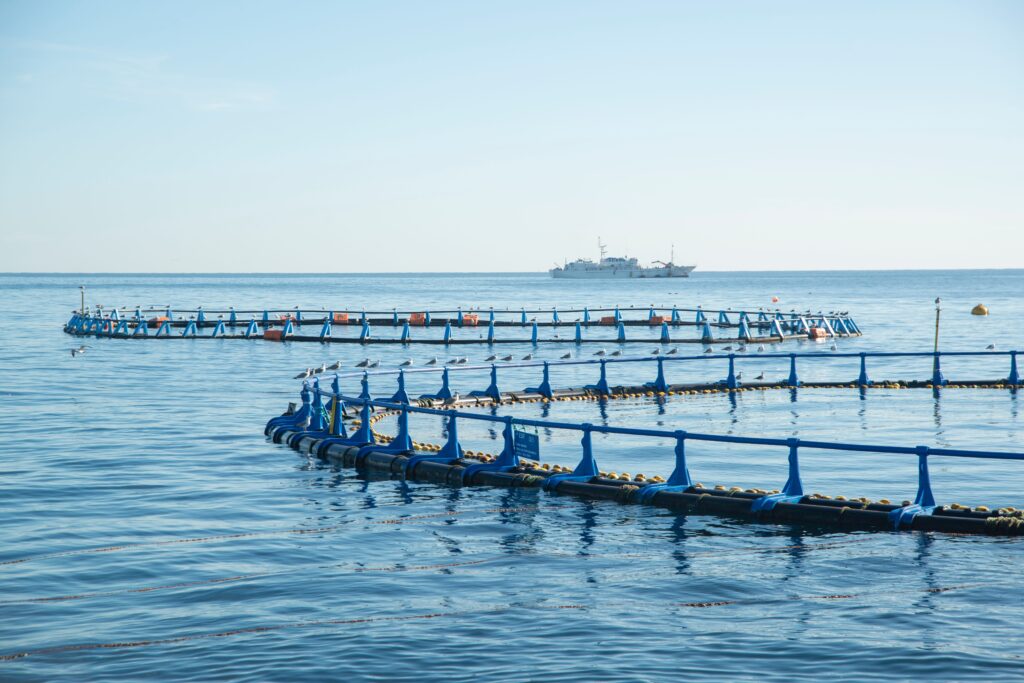
Fisheries

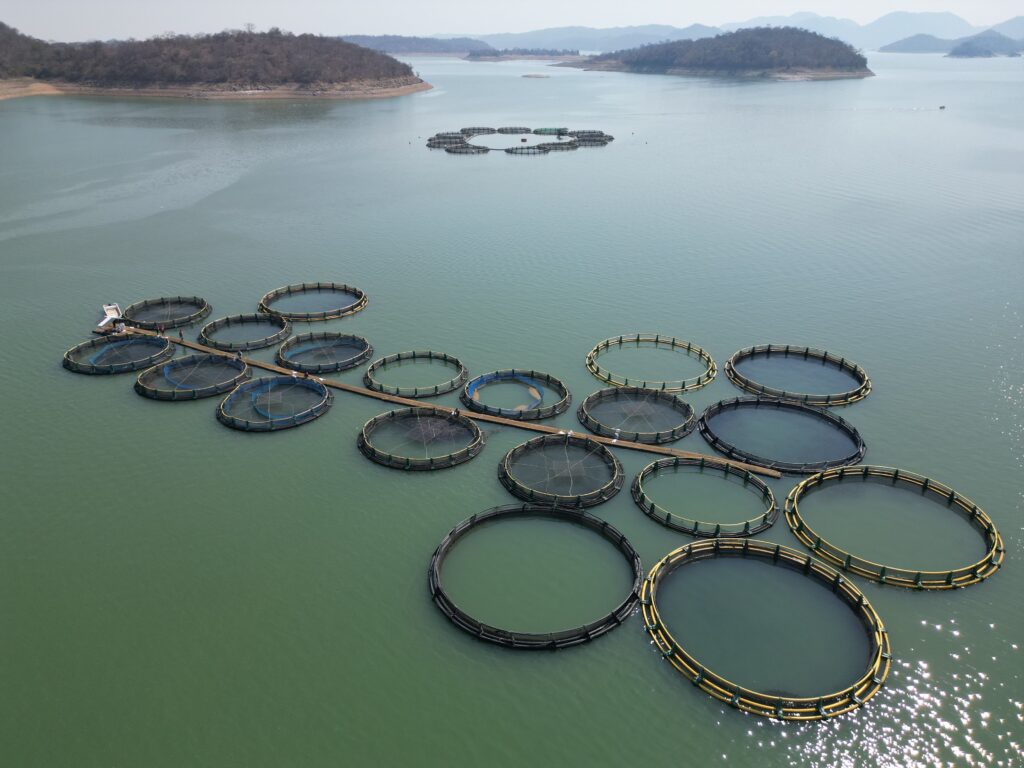
Types
Marine Fisheries
Sea fish
Examples
- Tuna
- Sardine
Inland Fisheries
Freshwater fish
Examples
- Rohu
- Catla
- Mrigal
हिंदी
मत्स्य पालन समुद्री एवं मीठे पानी दोनों में किया जाता है।
Apiculture (Bee Keeping)
Products
- Honey
- Beeswax
Advantages
- Increases crop pollination
- Generates additional income
हिंदी
मधुमक्खी पालन से शहद एवं मोम प्राप्त होता है तथा परागण में सहायता मिलती है।
Key Points ( Improvement in Food Resources Class 9 )
- Food resources are essential for survival.
- Crop improvement increases production.
- Fertilizers provide nutrients quickly.
- Manure improves soil structure.
- Mixed cropping reduces risk.
- Crop rotation maintains fertility.
- Animal husbandry increases milk and meat production.
- Fisheries provide protein-rich food.
- Bee keeping improves pollination.
- Sustainable farming protects the environment.
Abbreviations ( Improvement in Food Resources Class 9 )
| Abbreviation | Full Form |
| FYM | Farm Yard Manure |
| NPK | Nitrogen Phosphorus Potassium |
| ICAR | Indian Council of Agricultural Research |
| IPM | Integrated Pest Management |
| AI | Artificial Insemination |
| FAO | Food and Agriculture Organization |
MCQs (30)
1. Improvement in food resources mainly aims to
A. Reduce food production
B. Increase food production
C. Reduce farming
D. Increase pollution
Answer: B
2. Which is an organic manure?
A. Urea
B. Compost
C. DAP
D. NPK
Answer: B
3. Drip irrigation saves
A. Fuel
B. Electricity
C. Water
D. Seeds
Answer: C
4. Which crop pattern improves soil fertility?
A. Crop Rotation
B. Monocropping
C. Burning
D. None
Answer: A
5. Layers are reared for
A. Meat
B. Eggs
C. Wool
D. Milk
Answer: B
6. Broilers are raised for
A. Meat
B. Honey
C. Milk
D. Wool
Answer: A
7. Honey is obtained from
A. Goat
B. Cow
C. Bee
D. Sheep
Answer: C
8. Rohu is
A. Marine fish
B. Freshwater fish
C. Bird
D. Mammal
Answer: B
9. ICAR is related to
A. Agriculture
B. Banking
C. Railway
D. Health
Answer: A
10. Weeds compete with crops for
A. Nutrients
B. Water
C. Sunlight
D. All of these
Answer: D
Fill in the Blanks
- Crop rotation improves __________ fertility.
- Honey is produced by __________.
- FYM stands for __________.
- Drip irrigation saves __________.
- Layers produce __________.
- Broilers are raised for __________.
- Compost is an __________ manure.
- Fisheries provide __________ rich food.
- Crop improvement increases __________.
- ICAR is related to __________.
Answers
- Soil
- Bees
- Farm Yard Manure
- Water
- Eggs
- Meat
- Organic
- Protein
- Production
- Agriculture
Short Answer Questions
Q1. What is crop variety improvement?
Answer (English): It is the development of improved crop varieties with higher yield and better quality.
उत्तर (हिंदी): अधिक उत्पादन एवं बेहतर गुणवत्ता वाली फसलों का विकास करना।
Q2. What are fertilizers?
Chemical substances that supply nutrients to plants.
Q3. What is mixed cropping?
Growing two or more crops together on the same field.
Q4. What is crop rotation?
Growing different crops one after another in a fixed sequence.
Q5. What is apiculture?
Scientific rearing of honey bees.
Long Answer Questions
Q1. Explain crop production management.
Answer
Crop production management includes nutrient management, irrigation and cropping patterns to obtain higher yield while maintaining soil fertility.
Q2. Explain animal husbandry.
Animal husbandry involves scientific breeding, feeding, disease control and management of livestock for milk, meat, eggs and wool.
HOTS Questions
1. Why is organic farming becoming more popular?
Answer: It improves soil health, reduces pollution, and produces safer food.
2. Why is crop rotation better than growing the same crop every year?
Answer: It maintains soil fertility, controls pests, and reduces disease.
3. Why are fertilizers not a complete replacement for manure?
Answer: Fertilizers supply nutrients but do not improve soil structure like manure.
4. How does bee keeping help agriculture?
Answer: Bees improve pollination, increasing crop yield and quality.
5. Why should irrigation methods be selected according to climate?
Answer: Different climates and soil types require different irrigation methods to conserve water and maximize crop growth.
Frequently Asked Questions (FAQs)
Q1. What is Improvement in Food Resources?
It is the process of increasing food production using scientific agricultural and animal farming techniques.
Q2. Which irrigation method saves the most water?
Drip irrigation.
Q3. What is FYM?
Farm Yard Manure.
Q4. Which fish are freshwater fishes?
Rohu, Catla and Mrigal.
Q5. What is the purpose of poultry farming?
Production of eggs and meat.
Q6. What is apiculture?
Bee keeping for honey and wax production.
Q7. Why is crop rotation important?
It maintains soil fertility and reduces pest attacks.
Q8. What is the difference between manure and fertilizer?
Manure is organic and improves soil structure, while fertilizers are chemical nutrients that act quickly.
Conclusion
Improvement in Food Resources is an important chapter in Class 9 Science. It explains how scientific farming, crop improvement, irrigation, nutrient management, animal husbandry, fisheries, and apiculture help increase food production while protecting natural resources. Understanding these concepts is essential for school examinations, competitive exams, and practical knowledge of sustainable agriculture.
हिंदी निष्कर्ष:
खाद्य संसाधनों में सुधार अध्याय हमें आधुनिक कृषि, पशुपालन, मत्स्य पालन तथा मधुमक्खी पालन की वैज्ञानिक विधियों से परिचित कराता है। इन तकनीकों के माध्यम से खाद्य उत्पादन बढ़ाया जा सकता है, किसानों की आय में वृद्धि की जा सकती है तथा पर्यावरण का संरक्षण भी किया जा सकता है। यह अध्याय कक्षा 9 की परीक्षा के साथ-साथ विभिन्न प्रतियोगी परीक्षाओं के लिए भी अत्यंत महत्वपूर्ण है।
Keep Learning, Keep Growing! 🚀
P Kumar | Rising Star Mindset
www.risingstarmindset.com
Together We Will Make The Difference