
Introduction
www.risingstarmindset.com (Microorganisms: Friend and Foe)
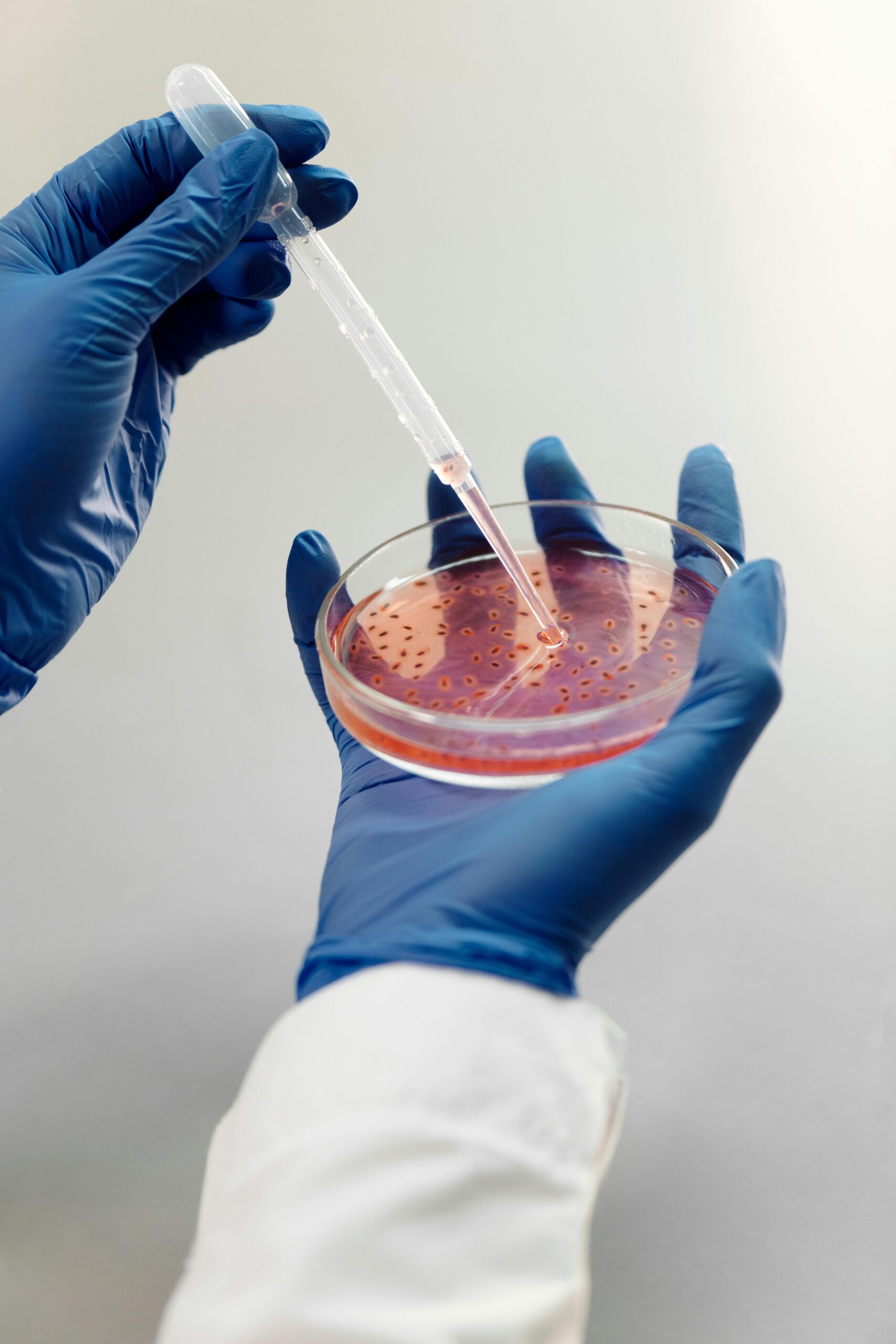
Have you ever wondered what lies in a single drop of pond water or on a stale piece of bread? There is a massive, bustling universe right under our noses that we cannot see. Welcome to the invisible living world beyond our naked eye—the world of Microorganisms!
क्या आपने कभी सोचा है कि तालाब के पानी की एक बूंद या बासी ब्रेड के टुकड़े पर क्या होता है? हमारी आँखों के ठीक सामने एक विशाल जीवंत दुनिया है जिसे हम देख नहीं सकते। हमारी नग्न आँखों से परे इस अदृश्य जीवंत दुनिया में आपका स्वागत है—यानी सूक्ष्मजीवों (Microorganisms) की दुनिया!
What are Microorganisms? (सूक्ष्मजीव क्या होते हैं?)
English: Microorganisms or microbes are living organisms that are so small that they cannot be seen with the naked eye. We need a microscope to observe them.
Hindi: सूक्ष्मजीव (Microorganisms) वे जीवित जीव हैं जो इतने छोटे होते हैं कि उन्हें नग्न आँखों से नहीं देखा जा सकता। इन्हें देखने के लिए हमें सूक्ष्मदर्शी (Microscope) की आवश्यकता होती है।
Major Groups of Microorganisms (सूक्ष्मजीवों के मुख्य प्रकार)
Microorganisms are broadly classified into four major groups, plus a special fifth category:
सूक्ष्मजीवों को मुख्य रूप से चार बड़े समूहों में बांटा गया है, साथ ही एक विशेष पांचवीं श्रेणी भी है:
1. Bacteria (जीवाणु)
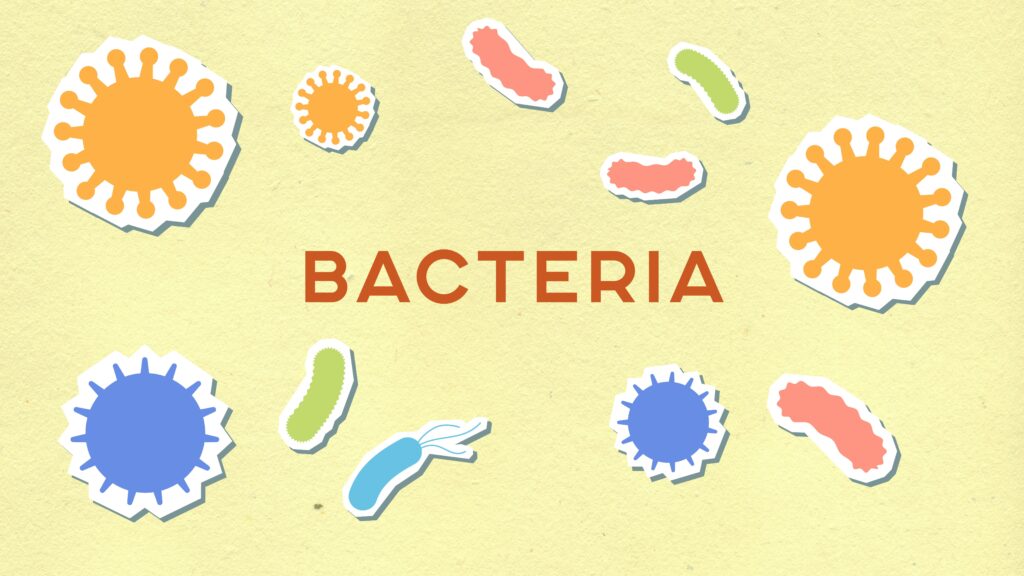
- English: Single-celled organisms found everywhere (air, water, soil). Examples: Lactobacillus (turns milk to curd), E. coli.
- Hindi: ये एक-कोशकीय जीव हैं जो हर जगह (हवा, पानी, मिट्टी) पाए जाते हैं। उदाहरण: लैक्टोबैसिलस (दूध को दही बनाता है)।
2. Fungi (कवक / फंगस)
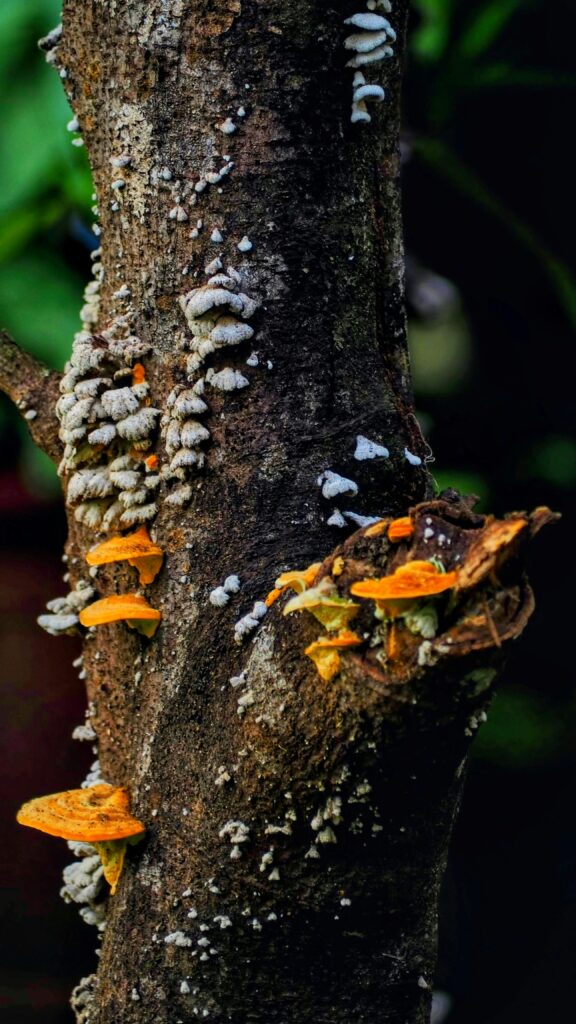
- English: Plant-like organisms that lack chlorophyll. They grow on moist places. Examples: Bread mould, Penicillium, Mushroom.
- Hindi: ये पौधों जैसे जीव होते हैं जिनमें क्लोरोफिल नहीं होता। ये नमी वाली जगहों पर उगते हैं। उदाहरण: ब्रेड मोल्ड, पेनिसिलियम, मशरूम।
3. Protozoa (प्रोटोजोआ)
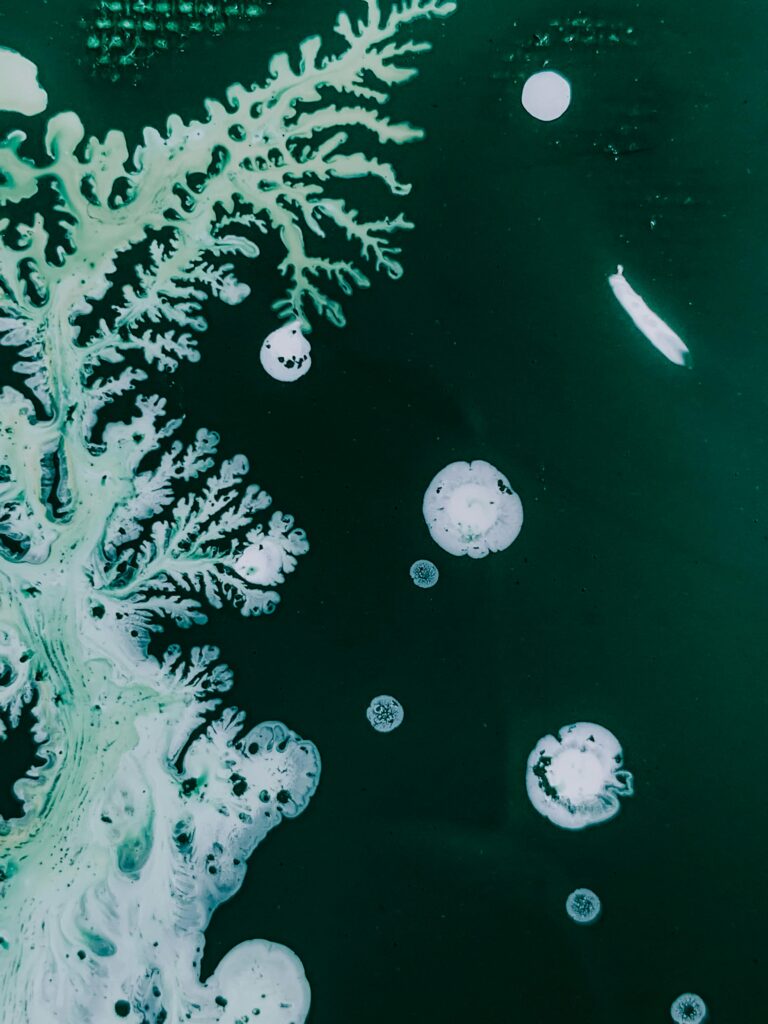
- English: Microscopic unicellular animals. Most of them cause diseases. Examples: Amoeba, Paramecium, Plasmodium (causes Malaria).
- Hindi: ये सूक्ष्म एक-कोशकीय जीव हैं। इनमें से अधिकांश बीमारियाँ फैलाते हैं। उदाहरण: अमीबा, पैरामिशियम, प्लाज्मोडियम (मलेरिया का कारण)।
4. Algae (शैवॉल)
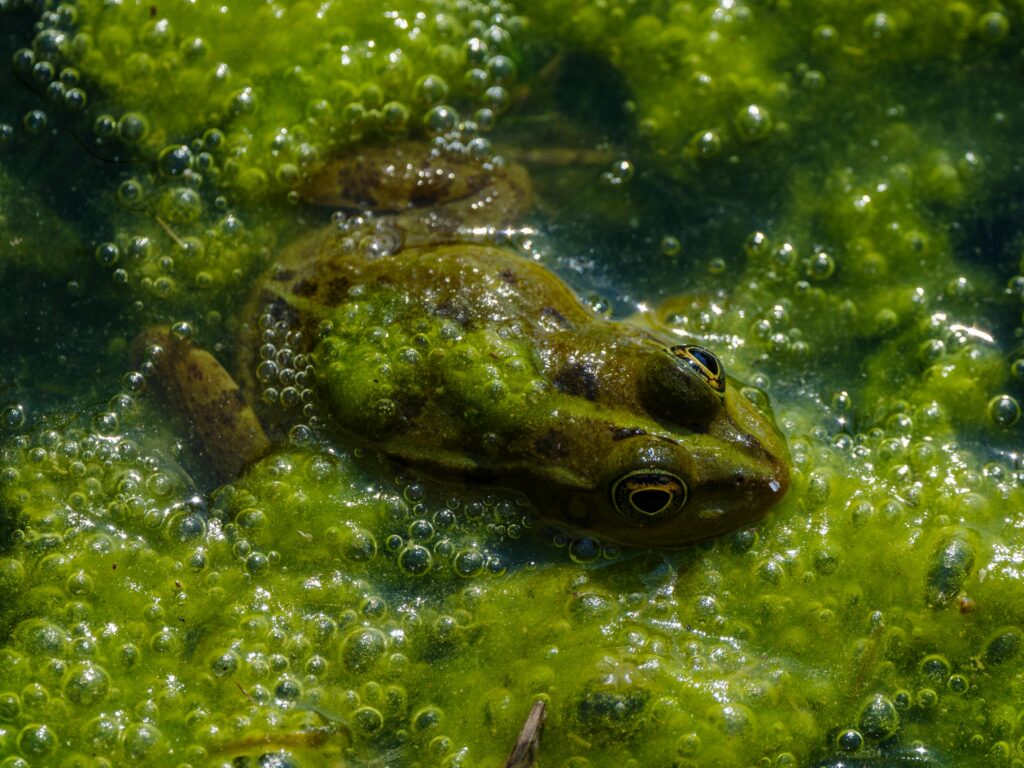
- English: Simple, plant-like organisms that contain chlorophyll and perform photosynthesis. Examples: Spirogyra, Chlamydomonas.
- Hindi: ये सरल, पौधों जैसे जीव हैं जिनमें क्लोरोफिल होता है और ये प्रकाश संश्लेषण करते हैं। उदाहरण: स्पाइरोगाइरा, क्लैमाइडोमोनास।
⭐ Special Category: Viruses (विषाणु)
- English: Viruses are unique because they are non-living outside a host cell but become alive inside a host plant, animal, or human body. Examples: Influenza virus, HIV, Bacteriophage.
- Hindi: वायरस बहुत अनोखे होते हैं क्योंकि ये किसी जीव (Host) के शरीर के बाहर निर्जीव होते हैं, लेकिन किसी पौधे, जानवर या इंसान के शरीर के अंदर जाते ही जीवित हो जाते हैं। उदाहरण: इन्फ्लूएंजा वायरस, एचआईवी।
Class 8 Science Chapter 2: Quick Revision Table
| Microbe Group (समूह) | Structural Type (प्रकार) | Common Example (उदाहरण) | Disease Caused (बीमारी) |
| Bacteria | Unicellular | Lactobacillus, Rhizobium | Typhoid, Tuberculosis (TB) |
| Fungi | Multicellular / Unicellular | Bread Mould, Yeast | Ringworm (दाद), Skin Infections |
| Protozoa | Unicellular | Amoeba, Plasmodium | Malaria, Dysentery (पेचिश) |
| Virus | Non-cellular (अकोशिकीय) | Influenza, Bacteriophage | Common Cold, Polio, Chicken Pox |
Friendly Microorganisms (हमारे मित्र सूक्ष्मजीव)
Microorganisms play a very important role in our daily lives, industries, and medicine:
सूक्ष्मजीव हमारे दैनिक जीवन, उद्योगों और चिकित्सा में बहुत महत्वपूर्ण भूमिका निभाते हैं:
- Making of Curd and Bread (दही और ब्रेड बनाना): * Lactobacillus bacteria promotes the formation of curd from milk.
- Yeast reproduces rapidly and produces Carbon Dioxide ($CO_2$), making the dough rise for bread and cakes.
- लैक्टोबैसिलस जीवाणु दूध को दही में बदलता है। यीस्ट (Yeast) तेजी से प्रजनन करता है और कार्बन डाइऑक्साइड गैस छोड़ता है, जिससे ब्रेड और केक का आटा फूल जाता है।
- Commercial Use (व्यावसायिक उपयोग): * Microorganisms are used for the large-scale production of alcohol, wine, and acetic acid (vinegar) by the process of Fermentation (discovered by Louis Pasteur).
- सूक्ष्मजीवों का उपयोग किण्वन (Fermentation) प्रक्रिया द्वारा अल्कोहल, वाइन और सिरका बनाने में किया जाता है (इसकी खोज लुई पाश्चर ने की थी)।
- Medicinal Use & Antibiotics (औषधीय उपयोग और एंटीबायोटिक्स): * Antibiotics are medicines made from fungi and bacteria that kill disease-causing microbes. Example: Penicillin (discovered by Alexander Fleming).
- एंटीबायोटिक्स कवक और बैक्टीरिया से बनी दवाएं हैं जो बीमारी फैलाने वाले कीटाणुओं को मारती हैं। उदाहरण: पेनिसिलिन (अलेक्जेंडर फ्लेमिंग द्वारा खोजी गई)।
- Increasing Soil Fertility (मिट्टी की उर्वरता बढ़ाना): * Rhizobium bacteria present in the root nodules of leguminous plants fix atmospheric nitrogen into the soil.
- फलीदार पौधों की जड़ों में मौजूद राइजोबियम (Rhizobium) जीवाणु वायुमंडलीय नाइट्रोजन को मिट्टी में स्थिर (Fix) करते हैं।
Harmful Microorganisms (हानिकारक सूक्ष्मजीव)
Microorganisms that cause diseases in humans, plants, and animals are called Pathogens (रोगाणु).
जो सूक्ष्मजीव मनुष्यों, पौधों और जानवरों में बीमारियां पैदा करते हैं, उन्हें रोगाणु (Pathogens) कहा जाता है।
Common Human Diseases Caused by Microbes (सूक्ष्मजीवों द्वारा होने वाले सामान्य रोग):
- By Bacteria: Tuberculosis (टीबी), Typhoid (टाइफाइड), Cholera (हैजा).
- From Viruses: Common Cold (जुकाम), Chicken Pox (चेचक), Polio (पोलियो), Hepatitis A.
- By Protozoa: Malaria (मलेरिया), Amoebic Dysentery.
Carriers of Disease (रोग के वाहक):
- Housefly (घरेलू मक्खी): Sits on garbage and transfers pathogens to uncovered food.
- Female Anopheles Mosquito (मादा एनोफिलीज मच्छर): Carries the parasite of malaria (Plasmodium).
- Female Aedes Mosquito (मादा एडीज मच्छर): Acts as a carrier of the Dengue virus.
Food Preservation Methods (खाद्य परिरक्षण के तरीके)
To protect food from being spoiled by microorganisms, we use various methods:
भोजन को सूक्ष्मजीवों द्वारा खराब होने से बचाने के लिए हम विभिन्न तरीकों का उपयोग करते हैं:
- Chemical Method: Adding preservatives like Sodium Benzoate. (सोडियम बेंजोएट जैसे परिरक्षक मिलाना)।
- By Common Salt: Used to preserve meat, fish, and amla. (नमक द्वारा मांस और मछली का परिरक्षण)।
- By Sugar: Reduces moisture in jams and jellies to stop bacterial growth. (चीनी द्वारा जैम और जेली में नमी कम करना)।
- Pasteurization: Heating milk to about 70°C for 15 to 30 seconds and then suddenly chilling it (discovered by Louis Pasteur).
- पाश्चुरीकरण (Pasteurization): दूध को 15-30 सेकंड के लिए 70°C पर गर्म करना और फिर तुरंत ठंडा करना।
Important Practice Questions for Class 8 Exam
- What is Fermentation? Who discovered it? (किण्वन क्या है? इसकी खोज किसने की थी?)
- Name the mosquito that carries the Malaria parasite. (मलेरिया परजीवी को ले जाने वाले मच्छर का नाम बताइए।)
- Why does bread dough rise when yeast is added? (यीस्ट मिलाने पर ब्रेड का आटा क्यों फूल जाता है?)
- Differentiate between Antibiotics and Vaccines. (एंटीबायोटिक और वैक्सीन के बीच अंतर स्पष्ट करें।)
We hope these bilingual notes on The Invisible Living World Beyond Our Naked Eye helped you understand Class 8 Science Chapter 2 clearly!
Think High, Rise Higher!
1 thought on “Microorganisms: Friend and Foe Most Important Notes”